

Pakistan Moves to Launch First National Stablecoin
Pakistan confirms plans for its first national stablecoin to modernize finance, reduce remittance costs, and expand digital asset adoption.
Pakistan is preparing to launch its first national stablecoin as part of a broader strategy to integrate digital assets into its financial system. Officials unveiled the plan at Binance Blockchain Week in Dubai as a key milestone for the country’s nascent digital economy.
Pakistan Confirms Stablecoin Strategy for Digital Integration
Bilal Bin Saqib, the chairman of the Pakistan Virtual Assets Regulatory Authority, said Pakistan will proceed with a rupee-backed stablecoin. He stressed that the initiative supports national efforts to bring digital finance tools and increase the accessibility of regulated virtual assets. Dawn noted the increase in homegrown interest in asset-backed digital tokens.
Related Reading: Crypto News: Pakistan Eyes Stablecoin Launch Amid $25B Crypto Opportunity Warning | Live Bitcoin News
Mr Saqib explained that the country did not want to fall behind the rest of the world in terms of financial innovation. He also said that stablecoins could aid in collateralizing government debt. Sources from the conference note that Pakistan wants to develop a transparent and regulated system for stablecoin use within the country. These updates reflect increased coordination between PVARA and Pakistan Crypto Council.
New Framework to Support Digital Rupee and Asset Initiatives
The stablecoin will be pegged against the Pakistani Rupee and backed by reserves. This structure is sought to offer stability for users seeking protection from currency volatility. Moreover, Pakistan is in the process of developing a national framework for digital assets for the regulation of such products under the supervision of PVARA. Conference summaries and regulatory documents indicate that the framework will set the direction of licensing requirements, rules for custody, and compliance policies.
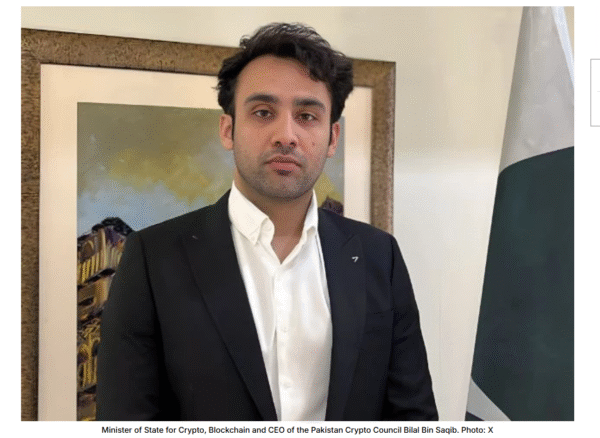 Source: X
The official also confirmed work on a Central Bank Digital Currency. This digital rupee initiative will run on the side of the national stablecoin. In addition, authorities are still researching a strategic Bitcoin reserve. These projects indicate a multisector approach to digital finance, aimed at building up national infrastructure and diversifying financial tools.
Stablecoin Expected to Boost Inclusion and Lower Costs
The government expects the national stablecoin to support economic growth by lowering the cost of remittances and increasing financial access. Many Pakistanis depend on transfers from abroad and are subject to high fees. A regulated stablecoin could help to streamline the flows and to reduce the friction. Reports from industry blogs stress the fact that such tools may help in the formalizing of billions in offshore stablecoin holdings.
Furthermore, the stablecoin will potentially usher some form of unregulated digital funds into the formal economy. Officials believe that establishing trusted on-ramp will encourage users to switch from unregulated platforms. This move is also reflective of objectives to bring down illicit finance with the introduction of traceable compliant systems for digital transactions.
Broader Impact on Pakistan’s Financial Modernization
Moreover, experts believe that Pakistan’s financial institutions can benefit from adopting a stablecoin infrastructure in the early stages to secure competitive advantages. With the development of frameworks, the stablecoin may enable new payment systems and offer businesses compliant digital payments. Therefore, officials considered the initiative to be a strategic move in ways that would achieve efficient modernization over time.
As plans progress, Pakistan seems poised to create a secure digital assets ecosystem with regulation and oversight. The stablecoin project is still the focus of this vision. It presents an avenue to codify capital, improve financial accessibility, and implement the regulated digital value through sectors. These developments position Pakistan to influence its contribution in the shaping up of the emerging digital economy.
Through this approach, the country seeks to compromise innovation with security. As a result, the stablecoin could emerge as one of the major elements of Pakistan’s digital financial transformation.
The post Pakistan Moves to Launch First National Stablecoin appeared first on Live Bitcoin News.
You May Also Like

Here’s Where Kaspa (KAS) Price Could Go This Week

ADA Price Prediction: Here’s The Best Place To Make 50x Gains
