XDC Network integrates Crystal Intelligence for enhanced compliance and risk analytics, targeting institutional adoption in trade finance markets.XDC Network integrates Crystal Intelligence for enhanced compliance and risk analytics, targeting institutional adoption in trade finance markets.

XDC Network Strengthens Institutional Appeal with Crystal Intelligence Integration

2025/11/26 15:05
network-update main

Compliance infrastructure is becoming crucial for institutional blockchain initiatives as the sector evolves rapidly. XDC Network’s recent integration with Crystal Intelligence, a blockchain analytics and compliance firm, is a result of a calculated move. It is positioned as a regulatory-ready platform for tokenized finance and real-world assets applications.

Enhanced Compliance Tools for Enterprise Blockchain

Crystal Intelligence’s blockchain analytics platform has been implemented to improve compliance and risk management. This integration enhances oversight across XDC Network’s growing enterprise application market. XDC projects can use Crystal’s anti-money laundering screening, transaction monitoring with configurable risk grading, and on-chain forensics capabilities.

XDC Network has collaborated with more than 175 Enterprise applications across Trade finance, Supply chain management, and tokenized asset sectors. This integration relates to a fundamental requirement for supporting those advancing institutional use cases. It enhances the level of accountability required for effective institutional participation. Regulatory readiness is necessary since the platform supports tokenized real-world assets, particularly in trade finance, where XDC has gained popularity.

Crystal’s platform is highly regarded by over 500 financial institutions globally and offers cross-chain analytics that is specifically designed for regulated markets. The tokenized asset market has experienced 380% growth in the past three years, reaching $24 billion in 2025, with projections suggesting the sector could surpass $30 trillion by 2034.

Targeting the Trade Finance Bottleneck

XDC Network’s infrastructure has been designed for trade finance applications, offering two-second transaction finality, near-zero gas charges, and ISO 20022 messaging compatibility. The network has collaborated with major companies such as Circle for USDC integration, Deutsche Telekom MMS, and Securitize. It has also implemented frameworks such as MLETR and R3 Corda to support cross-border financial operations.

However, technical capabilities are not sufficient to guarantee institutional adoption. Trade finance institutions, operating within a colossal $9.7 trillion industry, are required to adhere to stringent regulations. Keep a close eye on transactions, enforce penalties, and ensure compliance with anti-money laundering regulations. Crystal’s connection addresses these challenges by empowering monitoring infrastructure institutions to leverage blockchain technology effectively. 

The acquisition of Contour Network, a digital trade finance platform originally supported by HSBC, Citi, and Standard Chartered, by XDC Ventures comes at a particularly pivotal moment. Contour’s robust banking connections and established trade finance framework, paired with Crystal’s compliance expertise, create an exceptionally attractive offering. It enhances the case in favor of institutions exploring the blockchain-based settlement platforms.

Competitive Positioning in Maturing Markets

The actual asset tokenization space has become more competitive, with several blockchain platforms attempting to secure a share of the institutional assets market. Projects are pursuing compliance-ready standards with the sector set to reach between $2 trillion and $11 trillion by 2030, according to latest news on industry projects.

The XDC Network has a clear strategy, that they will not be a regular blockchain; rather, they will only focus on trade finance. By acquiring Contour and creating smart partnerships, they have established themselves in the market. It enables XDC to operate in a niche where blockchain brings clear and meaningful value. These value options include a faster settlement, less expenditure and more transparency.

This role is enhanced by the incorporation of a robust compliance framework within the realm of tokenized trade finance. Built-in compliance tools mitigate the risks for organizations exploring blockchain technologies, whether for pilot programs or broader implementations. It reflects the platform’s regulatory compliance and operational reliability, facilitating decision-making.

Conclusion

XDC Network’s integration with Crystal Intelligence shows that business blockchain regulation has evolved from optional to essential. As traditional financial institutions explore blockchain-based trade finance and real-world asset tokenization solutions, systems that possess extensive compliance capabilities will likely dominate the market. XDC’s methodical approach, including innovative infrastructure, smart acquisitions, and connections with renowned compliance providers, enables it to compete in the fast-growing tokenized trade finance sector.

Disclaimer: The articles reposted on this site are sourced from public platforms and are provided for informational purposes only. They do not necessarily reflect the views of MEXC. All rights remain with the original authors. If you believe any content infringes on third-party rights, please contact [email protected] for removal. MEXC makes no guarantees regarding the accuracy, completeness, or timeliness of the content and is not responsible for any actions taken based on the information provided. The content does not constitute financial, legal, or other professional advice, nor should it be considered a recommendation or endorsement by MEXC.

You May Also Like

Bitcoin Has Taken Gold’s Role In Today’s World, Eric Trump Says

Bitcoin Has Taken Gold’s Role In Today’s World, Eric Trump Says

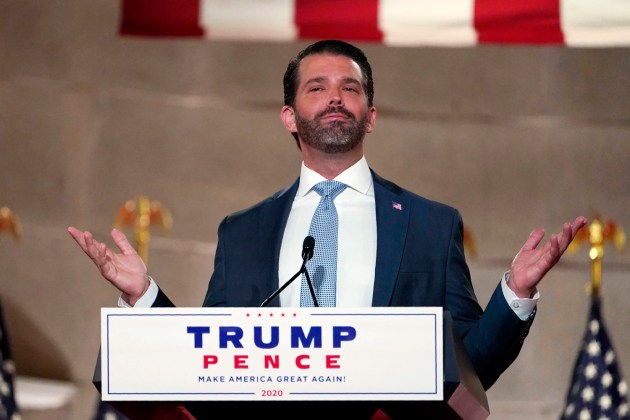
Eric Trump on Tuesday described Bitcoin as a “modern-day gold,” calling it a liquid store of value that can act as a hedge to real estate and other assets. Related Reading: XRP’s Biggest Rally Yet? Analyst Projects $20+ In October 2025 According to reports, the remark came during a TV appearance on CNBC’s Squawk Box, tied to the launch of American Bitcoin, the mining and treasury firm he helped start. Company Holdings And Strategy Based on public filings and company summaries, American Bitcoin has accumulated 2,443 BTC on its balance sheet. That stash has been valued in the low hundreds of millions of dollars at recent spot prices. The firm mixes large-scale mining with the goal of holding Bitcoin as a strategic reserve, which it says will help it grow both production and asset holdings over time. Eric Trump’s comments were direct. He told viewers that institutions are treating Bitcoin more like a store of value than a fringe idea, and he warned firms that resist blockchain adoption. The tone was strong at times, and the line about Bitcoin being a modern equivalent of gold was used to frame American Bitcoin’s role as both miner and holder.   Eric Trump has said: bitcoin is modern-day gold — unusual_whales (@unusual_whales) September 16, 2025 How The Company Went Public American Bitcoin moved toward a public listing via an all-stock merger with Gryphon Digital Mining earlier this year, a deal that kept most of the original shareholders in control and positioned the new entity for a Nasdaq debut. Reports show that mining partner Hut 8 holds a large ownership stake, leaving the Trump family and other backers with a minority share. The listing brought fresh attention and capital to the firm as it began trading under the ticker ABTC. Market watchers say the firm’s public debut highlights two trends: mining companies are trying to grow by both producing and holding Bitcoin, and political ties are bringing more headlines to crypto firms. Some analysts point out that holding large amounts of Bitcoin on the balance sheet exposes a company to price swings, while supporters argue it aligns incentives between miners and investors. Related Reading: Ethereum Bulls Target $8,500 With Big Money Backing The Move – Details Reaction And Possible Risks Based on coverage of the launch, investors have reacted with both enthusiasm and caution. Supporters praise the prospect of a US-based miner that aims to be transparent and aggressive about building a reserve. Critics point to governance questions, possible conflicts tied to high-profile backers, and the usual risks of a volatile asset being held on corporate balance sheets. Eric Trump’s remark that Bitcoin has taken gold’s role in today’s world reflects both his belief in its value and American Bitcoin’s strategy of mining and holding. Whether that view sticks will depend on how investors and institutions respond in the months ahead. Featured image from Meta, chart from TradingView
Share
NewsBTC2025/09/18 06:00
China Blocks Nvidia’s RTX Pro 6000D as Local Chips Rise
China Blocks Nvidia’s RTX Pro 6000D as Local Chips Rise

The post China Blocks Nvidia’s RTX Pro 6000D as Local Chips Rise appeared on BitcoinEthereumNews.com. China Blocks Nvidia’s RTX Pro 6000D as Local Chips Rise China’s internet regulator has ordered the country’s biggest technology firms, including Alibaba and ByteDance, to stop purchasing Nvidia’s RTX Pro 6000D GPUs. According to the Financial Times, the move shuts down the last major channel for mass supplies of American chips to the Chinese market. Why Beijing Halted Nvidia Purchases Chinese companies had planned to buy tens of thousands of RTX Pro 6000D accelerators and had already begun testing them in servers. But regulators intervened, halting the purchases and signaling stricter controls than earlier measures placed on Nvidia’s H20 chip. Image: Nvidia An audit compared Huawei and Cambricon processors, along with chips developed by Alibaba and Baidu, against Nvidia’s export-approved products. Regulators concluded that Chinese chips had reached performance levels comparable to the restricted U.S. models. This assessment pushed authorities to advise firms to rely more heavily on domestic processors, further tightening Nvidia’s already limited position in China. China’s Drive Toward Tech Independence The decision highlights Beijing’s focus on import substitution — developing self-sufficient chip production to reduce reliance on U.S. supplies. “The signal is now clear: all attention is focused on building a domestic ecosystem,” said a representative of a leading Chinese tech company. Nvidia had unveiled the RTX Pro 6000D in July 2025 during CEO Jensen Huang’s visit to Beijing, in an attempt to keep a foothold in China after Washington restricted exports of its most advanced chips. But momentum is shifting. Industry sources told the Financial Times that Chinese manufacturers plan to triple AI chip production next year to meet growing demand. They believe “domestic supply will now be sufficient without Nvidia.” What It Means for the Future With Huawei, Cambricon, Alibaba, and Baidu stepping up, China is positioning itself for long-term technological independence. Nvidia, meanwhile, faces…
Share
BitcoinEthereumNews2025/09/18 01:37