
Dogecoin Future Outlook: What Could Happen to DOGE by 2030?

Key Takeaways
- Dogecoin has experienced extreme volatility, moving from near dormancy (2013–2020) to meme-driven surges (2021) and significant post-2021 corrections.
- The explosive 2021 surge drove DOGE to an all-time high of ~$0.74,fueled by social media hype and celebrity endorsements, particularly from Elon Musk.
- Post-2021 corrections led to drawdowns of over 90%, with partial recoveries in 2024–2025 amid broader market cycles.
- As of mid-December 2025, DOGE trades around $0.13–$0.14, reflecting muted momentum after earlier highs in 2025.
- Key lessons: Extreme volatility from external hype, sharp reversals due to limited fundamentals, and the tendency for accumulation phases followed by parabolic moves.
Introduction
Major Price Cycles and Milestones
Cycle Period | Price Range | Peak Price | % Gain from Cycle Low | Key Milestone |
2013–2016 (Early Years) | $0.0002 – $0.0004 | ~$0.0004 | Minimal | Launch and initial hype; brief volume spike in 2014 |
2017–2018 Bull/Bear | $0.0002 – $0.018 | $0.018 | ~9,000% | Crypto boom peak in Jan 2018 |
2019–2020 Dormancy | $0.001 – $0.004 | $0.004 | Modest | Flat trading; TikTok pump in 2020 |
2021 Mania | $0.004 – $0.74 | $0.74 | ~18,000% | All-time high in May 2021 |
2022–2023 Bear | $0.05 – $0.20 | $0.20 | Partial recovery | >90% drawdown from ATH |
2024–2025 Recovery/Correction | $0.08 – ~$0.40 (early 2025 high) → $0.13–$0.14 | ~$0.40 | ~400% from 2023 lows | Mid-2025 peak followed by correction |
Primary Market Drivers
- Early Adoption via Reddit: Dogecoin’s journey started with Reddit tipping and charity drives, which built a loyal community base. Over time, these communities played an essential role in spreading the word about DOGE, leading to early price spikes. The first major social media-driven surge came from Reddit’s r/Dogecoin, where users promoted Dogecoin as an easy-to-use digital tip for small transactions.
- TikTok and Reddit Campaigns: In 2020, a viral TikTok challenge and the Reddit r/WallStreetBets movements caused a brief price rally, showcasing the immense power of coordinated retail buying. This sudden interest was fueled by the ability of these platforms to bring hundreds of thousands of new retail investors into the fold, creating a self-fulfilling prophecy of rising prices.
- Meme Culture: Dogecoin’s association with the Doge meme made it particularly attractive to online communities, where it quickly became a symbol of internet culture. Its ability to thrive on social media platforms like Twitter and Reddit demonstrated the power of memetic influence in driving cryptocurrency markets.
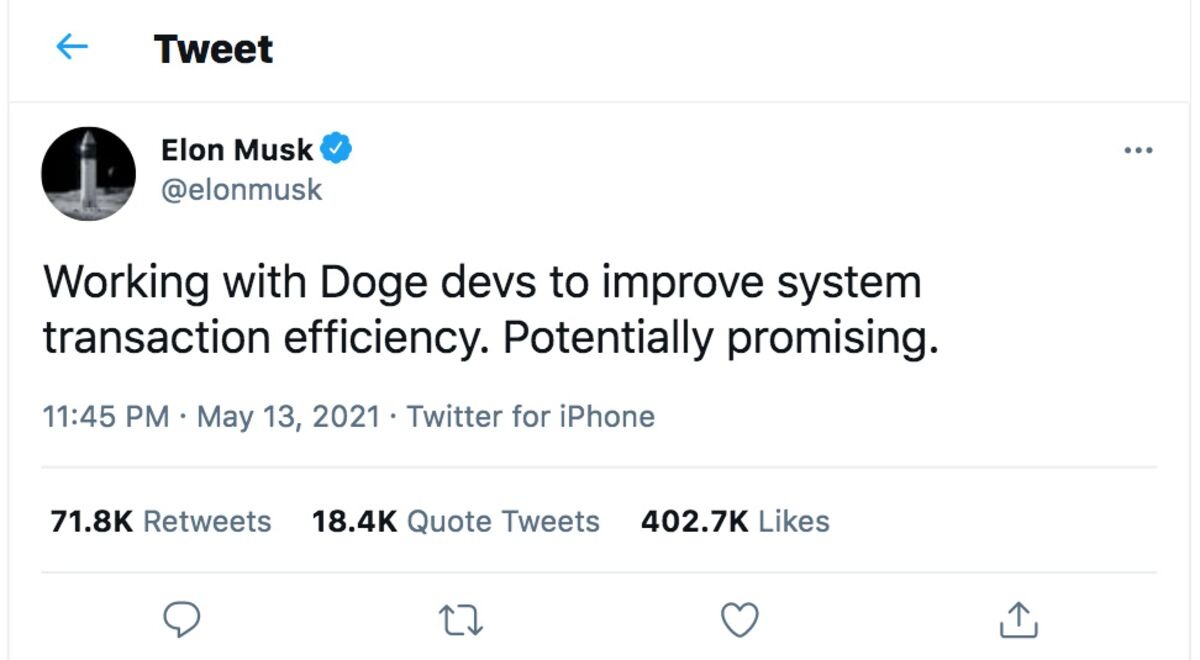
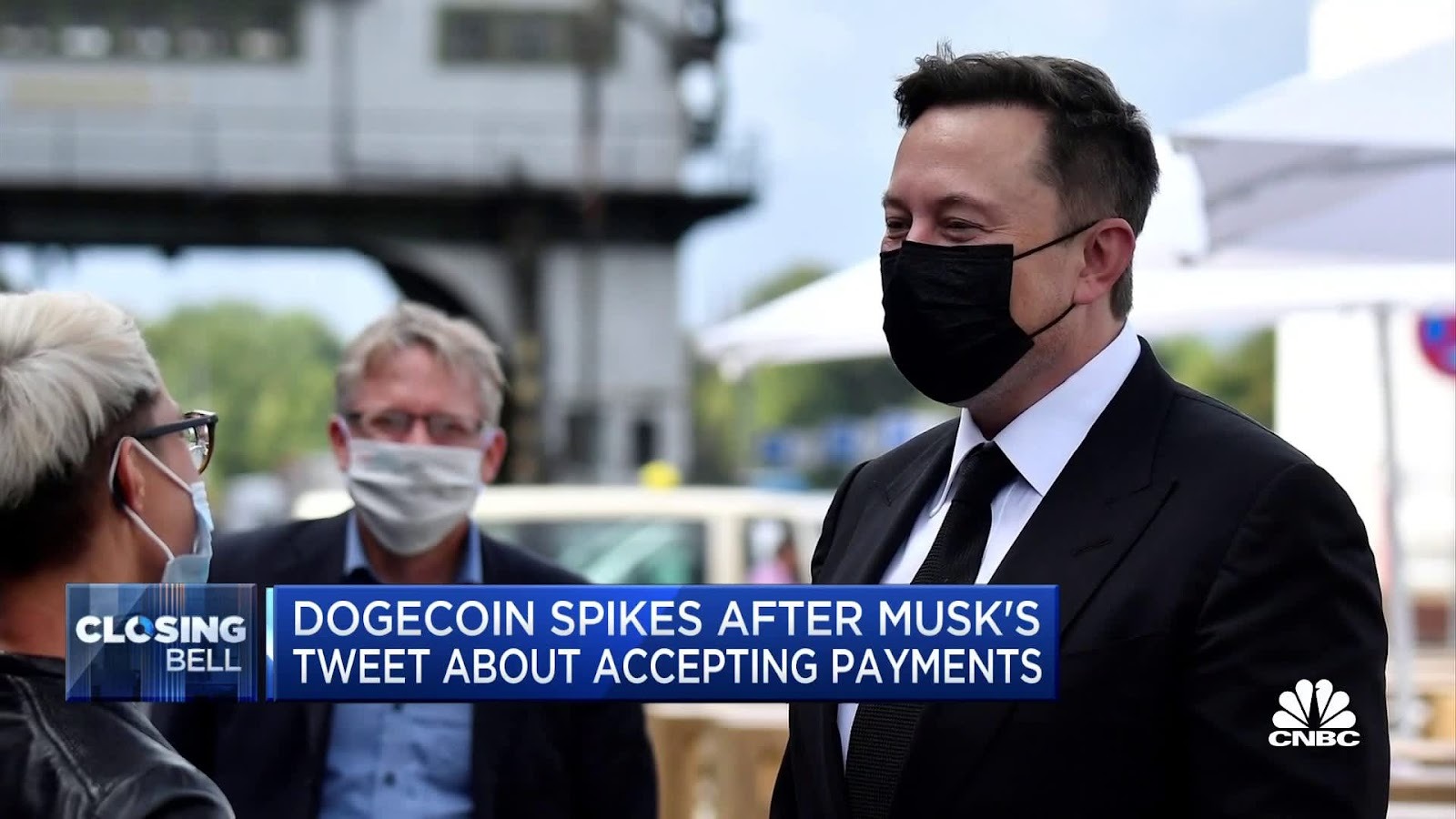
- Elon Musk’s Influence: Musk’s tweets about Dogecoin proved to be the dominant driver of price surges.
- Other Celebrity Backing: Although Musk remains the most vocal celebrity endorser, figures like Mark Cuban also provided support, helping solidify Dogecoin’s place as a mainstream meme coin. Cuban’s promotion of Dogecoin as a form of payment for the Dallas Mavericks showcased how real-world usage could be tied to Dogecoin, even if its fundamental utility remained limited.
- Correlation with Bitcoin: Like many other altcoins, Dogecoin often correlates with Bitcoin’s halving cycles, amplifying its gains during bull markets. This relationship was particularly evident during the 2017 and 2021 bull runs, where Dogecoin's price surged in tandem with Bitcoin’s rise. Dogecoin’s behavior often mirrors Bitcoin’s, reflecting the broader market sentiment driven by Bitcoin’s market dominance.
- Market Sentiment and Retail Speculation: Throughout its price history, Dogecoin has been heavily influenced by retail speculation. The ability of retail investors to push the price of Dogecoin higher during periods of social media attention and celebrity endorsements showcases its speculative nature. The 2021 rally exemplified this phenomenon, where a flurry of retail activity pushed Dogecoin to unimaginable heights.
- Inflationary Supply: Unlike Bitcoin, which has a fixed supply cap, Dogecoin operates on an inflationary model — with 5 billion new DOGE mined annually. While this inflationary nature prevents Dogecoin from being a deflationary store of value, it also makes it more suited for microtransactions and daily spending rather than long-term savings. Dogecoin’s inflationary supply is both a strength (for low-cost transactions) and a weakness (for value accumulation).
- Niche Use Cases: Dogecoin has remained largely within the niche of tipping and micro-payments, which has limited its potential for widespread adoption compared to other more utility-driven cryptocurrencies like Ethereum. While Dogecoin is accepted by over 3,000 businesses globally, its use case remains largely transactional, without offering the broader ecosystem of smart contracts, decentralized applications (dApps), or NFT capabilities that competitors like Ethereum and Solana provide.
Current Status (Mid-December 2025)
Key Metrics (As of December 2025)
- Price: $0.13–$0.14
- Market Cap: $20–22 billion
- Active Addresses: 71,000+ daily
- Trading Volume: Consistent, with moderate growth

Lessons from 12 Years of Cycles
Conclusion
Popular Articles

Is Dogecoin Dead? A Data-Driven Look at DOGE’s Survival Through Market Cycles
Key TakeawaysDogecoin (DOGE) is not dead; it remains a liquid, actively traded asset with a market capitalization of over $20 billion as of late 2025.Although it trades below its all-time high of $0.7

Is It Worth Staking Crypto? Real Benefits vs Actual Risks
Crypto staking promises passive income while you sleep, but is it really that simple?Many investors wonder if locking up their digital assets for rewards makes financial sense, especially when markets

How to Stake XRP? Platforms, Rewards, and Risks Explained
Many XRP holders wonder if they can earn passive income through staking their tokens. While XRP doesn't support traditional Proof-of-Stake mechanisms, multiple platforms offer genuine ways to generate

What Is Bitcoin Staking and How Does It Work?
Bitcoin holders looking to generate passive income without selling their assets now have options beyond traditional trading. This guide explains bitcoin staking, how it works, the rewards you can expe
Related Articles
Is Dogecoin Dead? A Data-Driven Look at DOGE’s Survival Through Market Cycles
Key TakeawaysDogecoin (DOGE) is not dead; it remains a liquid, actively traded asset with a market capitalization of over $20 billion as of late 2025.Although it trades below its all-time high of $0.7

What Is ether.fi? A Leading Ethereum Restaking Protocol Connecting 400+ Chains
TL;DRether.fi stands as a premier decentralized restaking platform within the Ethereum ecosystem, enabling users to stake ETH, BTC, and stablecoins for consistent returns.ETHFI serves as the platform'

Seven Years of Excellence! MEXC's 7th Anniversary: Unveiling 5 Key Advantages of Futures Trading
As the cryptocurrency market continues its rapid development, Futures trading has become an essential tool for many traders due to its efficiency and flexibility. As a global leader in crypto trading,

MEXC's Seven Years of Growth Toward Excellence: Building the Future Hand in Hand with Our Users
2025 marks MEXC's seventh anniversary. From our beginnings as a small innovator, we've grown into a reputable trading platform trusted around the globe. Along the way, we've upheld strict standards fo
