

Indian Rupee Weakens as US-Iran Tensions Drive Crude Oil Prices Higher
BitcoinWorld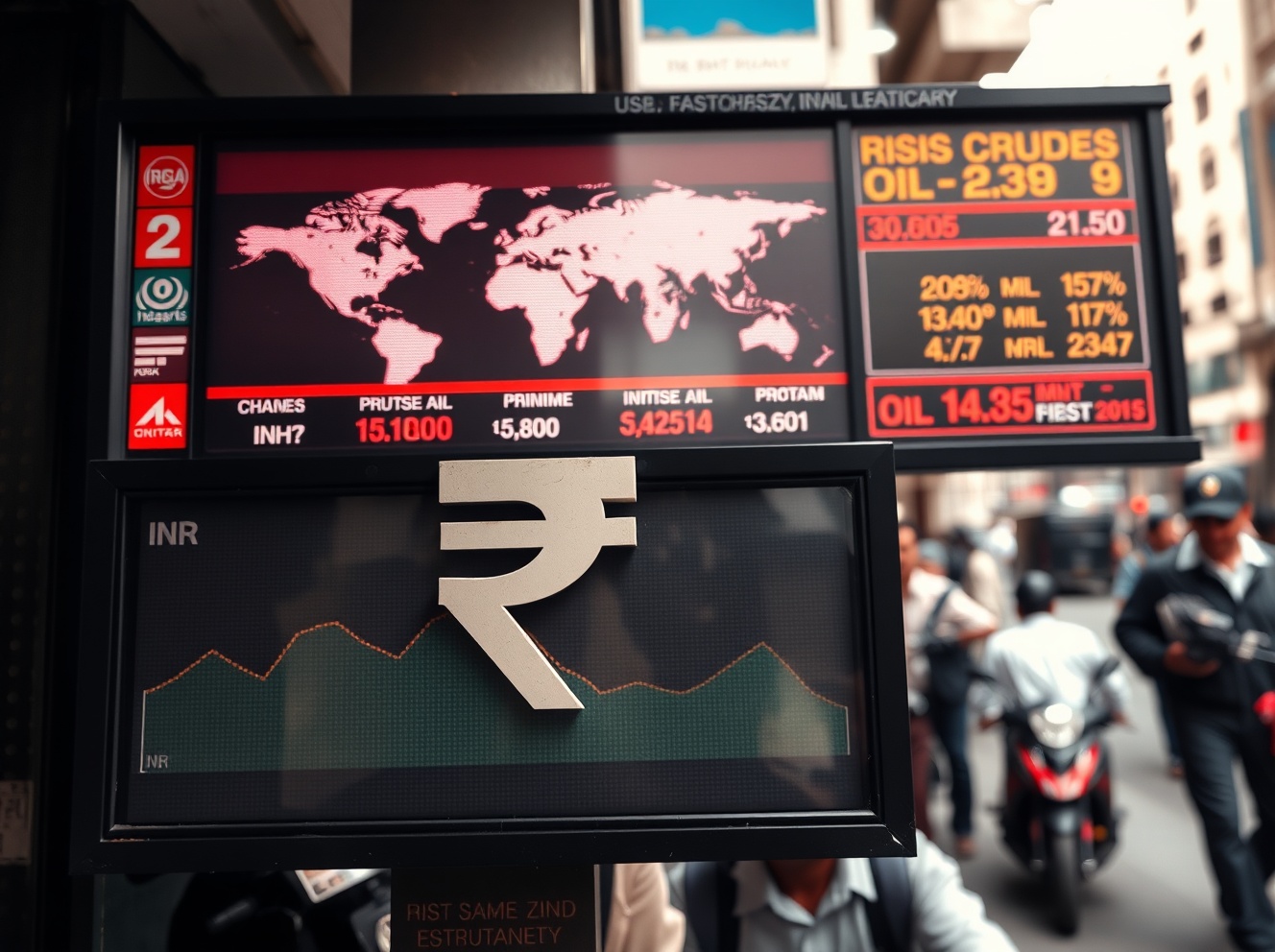
Indian Rupee Weakens as US-Iran Tensions Drive Crude Oil Prices Higher
The Indian rupee has come under renewed pressure this week as escalating geopolitical tensions between the United States and Iran pushed global crude oil prices higher. For a net importer like India, rising oil prices directly strain the current account deficit and increase the cost of essential imports, putting additional downward pressure on the domestic currency.
Geopolitical deadlock fuels oil price rally
Fresh diplomatic friction between Washington and Tehran, following the collapse of indirect nuclear talks, has reignited supply concerns in the oil market. Brent crude futures surged past $85 per barrel earlier this week, marking a multi-month high. The deadlock raises the risk of supply disruptions in the Strait of Hormuz, a critical chokepoint through which about a fifth of the world’s petroleum passes.
For India, which imports over 85 percent of its crude oil requirements, every $10 per barrel increase in oil prices widens the trade deficit by roughly $12–15 billion annually. This directly affects the rupee’s valuation against the US dollar, as importers demand more dollars to pay for costlier shipments.
Rupee underperformance and RBI’s balancing act
The Indian rupee has depreciated by approximately 1.5 percent against the US dollar over the past month, underperforming most Asian peers. The currency briefly touched the 84.20 mark against the greenback earlier this week, testing the Reserve Bank of India’s (RBI) tolerance level.
The central bank has historically intervened through dollar sales to curb excessive volatility, but its ability to defend the rupee is constrained by the need to maintain adequate foreign exchange reserves. Market participants expect the RBI to allow gradual depreciation to support export competitiveness while stepping in only to prevent disorderly moves.
Impact on inflation and fiscal outlook
Rising crude prices also feed into domestic inflation. India’s retail inflation has already been hovering near the upper end of the RBI’s 2–6 percent tolerance band. A sustained increase in fuel and transportation costs could push inflation higher, reducing the scope for any near-term interest rate cuts.
For consumers, this translates into higher petrol and diesel prices, which state-owned oil marketing companies have already begun adjusting. The government’s fiscal arithmetic may also face strain if it chooses to absorb part of the price increase through excise duty cuts, as it has done in previous oil price shocks.
Conclusion
The interplay between US-Iran tensions, crude oil prices, and the Indian rupee underscores the vulnerability of emerging economies to external shocks. While the RBI has sufficient tools to manage near-term volatility, a prolonged period of elevated oil prices could test India’s macroeconomic stability. Traders and policymakers alike are watching for any diplomatic breakthrough or further escalation that could determine the rupee’s trajectory in the weeks ahead.
FAQs
Q1: Why does the Indian rupee weaken when oil prices rise?
India is a major oil importer. Higher crude prices increase the country’s import bill, requiring more US dollars to purchase the same volume of oil. This increased demand for dollars pushes the rupee lower against the greenback.
Q2: How does the RBI respond to rupee depreciation?
The Reserve Bank of India typically intervenes in the foreign exchange market by selling US dollars from its reserves to stabilize the rupee. It may also use monetary policy tools like adjusting interest rates or liquidity measures to manage inflationary pressures.
Q3: Can rising oil prices affect Indian consumers directly?
Yes. Higher global crude prices lead to increased retail prices for petrol, diesel, and cooking gas in India. This can raise transportation and logistics costs, eventually pushing up prices of everyday goods and services.
This post Indian Rupee Weakens as US-Iran Tensions Drive Crude Oil Prices Higher first appeared on BitcoinWorld.


추천 콘텐츠

Hamster Kombat Daily Combo Today 24 May 2026 Earn 5 Million Free Coins Fast

ETH Enters High-Stakes Decision Zone

Why France is now the hotspot for crypto wrench attacks


인기 뉴스
더보기
