Bitcoin has climbed from mere cents to over $93,000, leaving many wondering if they've missed the boat. If you're asking yourself "Should I invest in Bitcoin," you're not alone. This guide cutsBitcoin has climbed from mere cents to over $93,000, leaving many wondering if they've missed the boat. If you're asking yourself "Should I invest in Bitcoin," you're not alone. This guide cuts
Should I Invest in Bitcoin Now? A Practical Investment Guide
Bitcoin has climbed from mere cents to over $93,000, leaving many wondering if they've missed the boat. If you're asking yourself "Should I invest in Bitcoin," you're not alone.
This guide cuts through the hype to help you understand what Bitcoin investment really means today. You'll learn the key factors that determine whether Bitcoin fits your financial situation, the real advantages and risks, and how to invest responsibly if you decide to move forward.
We'll give you a framework for making this decision based on your personal circumstances, not promises of guaranteed returns.
Key Takeaways
- Bitcoin is a decentralized digital asset with a fixed supply of 21 million coins, making it fundamentally different from unlimited-supply fiat currencies.
- Financial advisors typically recommend limiting bitcoin to 1-10% of your total investment portfolio and only investing what you can afford to lose completely.
- Bitcoin has averaged roughly 170% annual returns since 2010 but experiences extreme volatility with potential 30-50% price drops within weeks.
- Major institutions now offer bitcoin ETFs, and the U.S. government established a Strategic Bitcoin Reserve, signaling growing mainstream legitimacy.
- Bitcoin transactions are irreversible, require personal security responsibility, and the IRS treats all transactions as taxable property sales.
- Dollar-cost averaging through regular small purchases helps reduce timing risk and smooth out bitcoin's notorious price fluctuations.
Understanding Bitcoin as an Investment
Bitcoin isn't like buying shares in Apple or Microsoft. There's no company behind it, no quarterly earnings reports, and no dividends hitting your account.
What you're buying is a decentralized digital asset with a hard cap of 21 million coins. This scarcity makes Bitcoin fundamentally different from government-issued currencies that can be printed without limit.
Since its 2009 launch, Bitcoin has survived multiple crashes that critics claimed would kill it forever. Today, major financial institutions offer Bitcoin ETFs, and the U.S. government established a Strategic Bitcoin Reserve in 2025.
The numbers tell a volatile story. Bitcoin surged to $126,000 in October 2025 before falling back to around $93,000 recently. Since 2010, Bitcoin has averaged roughly 170% annual returns, far outpacing the S&P 500, though with dramatically higher volatility.
Should I Invest in Bitcoin? Key Factors to Consider
When Bitcoin Investment Makes Sense
Bitcoin might deserve a spot in your portfolio if you can genuinely afford to lose your entire investment.
Financial advisors typically recommend having an emergency fund covering three to six months of expenses before considering any cryptocurrency investment. Your core retirement savings should already be invested in diversified traditional assets like index funds.
Most experts suggest limiting Bitcoin to just 1-10% of your total investment portfolio. Anything more exposes you to unnecessary risk.
You should also have a long-term mindset. Bitcoin's short-term price swings can be brutal, but investors who held for five years or more have historically seen positive returns.
When Bitcoin Investment Doesn't Make Sense
Skip Bitcoin if you need that money for a house down payment, your child's education, or retirement within the next few years.
Bitcoin can easily drop 30-50% in a matter of weeks. If that kind of volatility would cause you sleepless nights or panic selling, Bitcoin isn't for you.
Never invest borrowed money or funds earmarked for essential expenses. The cryptocurrency market doesn't care about your mortgage payment.
If you're expecting guaranteed returns or viewing Bitcoin as a get-rich-quick scheme, you're setting yourself up for disappointment. Bitcoin is highly speculative, and many people have lost significant money by investing more than they could afford to lose.
Assessing Your Personal Readiness
Before you invest in Bitcoin, run through this mental checklist.
Do you have stable income and manageable debt levels? Can you explain what blockchain technology actually does, even at a basic level?
Understanding wallet security and private key management isn't optional. Losing your private keys means losing your Bitcoin forever, with no customer service department to call.
You'll also need to understand the tax implications. The IRS treats Bitcoin as property, meaning every transaction potentially triggers capital gains taxes.
Finally, ask yourself honestly: can I watch my investment drop 40% without making emotional decisions? Bitcoin tests your risk tolerance like few other investments.
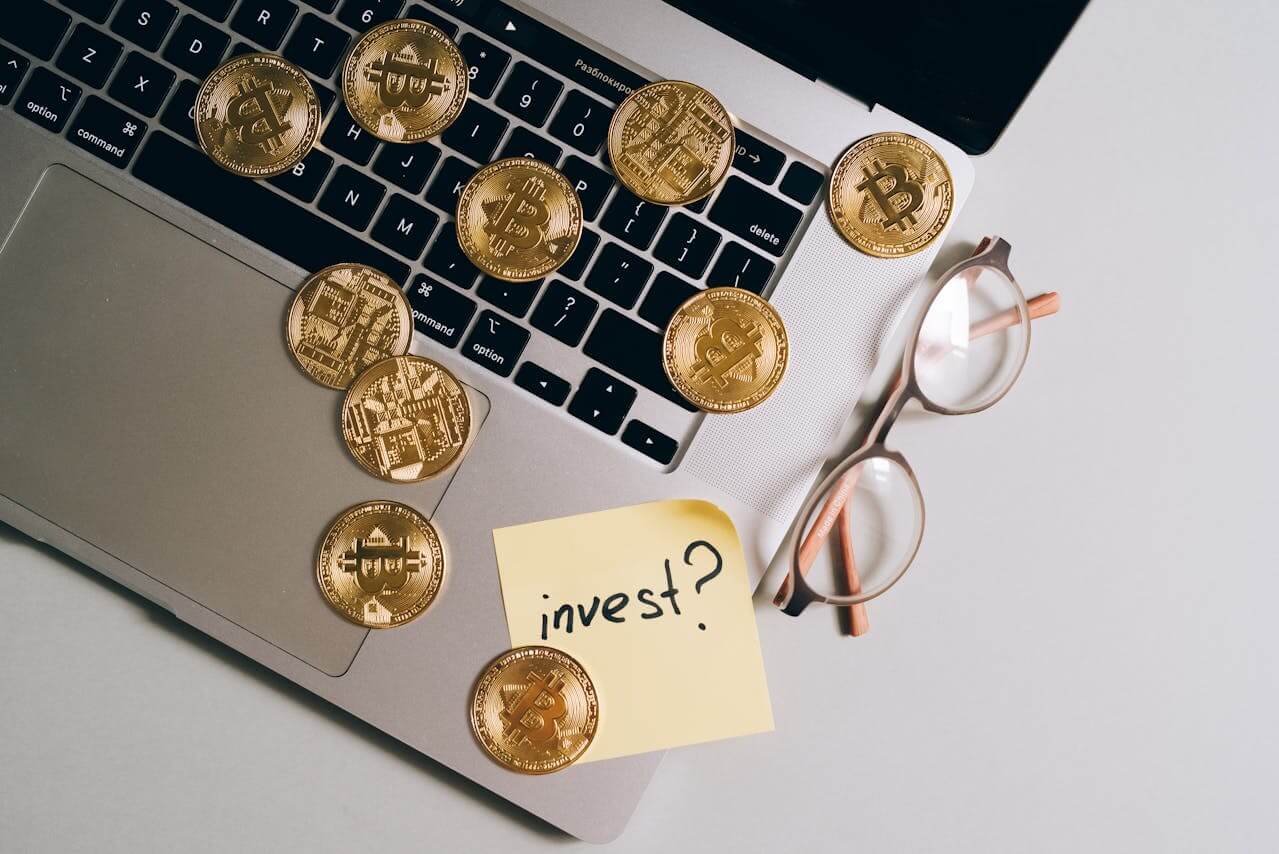
Why Should I Invest in Bitcoin? Key Advantages
Bitcoin's fixed supply of 21 million coins creates scarcity that fiat currencies lack. While the dollar's purchasing power has declined significantly since 2018, Bitcoin has appreciated from under $10,000 to over $100,000 during the same period.
However, Bitcoin's role as an inflation hedge remains debated. Throughout 2021 and 2022, Bitcoin experienced sharp drops even as inflation data climbed, suggesting the relationship isn't straightforward.
The approval of Bitcoin ETFs in 2024 brought unprecedented institutional legitimacy. BlackRock's Bitcoin ETF alone attracted over $50 billion in its first year.
Major banks now offer cryptocurrency services, and regulatory frameworks continue improving. Unlike stocks that only trade during market hours, you can buy or sell Bitcoin 24/7 from anywhere with internet access.
Bitcoin has proven remarkably resilient. Despite more than 450 obituaries declaring it dead over the years, Bitcoin continues reaching new all-time highs.
This 15-year track record distinguishes it from newer cryptocurrencies that haven't weathered multiple market cycles. Growing adoption among payment processors and corporate treasuries suggests Bitcoin is becoming embedded in the financial infrastructure.
Bitcoin Investment Risks You Must Understand
Bitcoin's volatility makes stock market swings look tame by comparison. Unlike traditional exchanges with circuit breakers that pause trading during crashes, cryptocurrency markets operate 24/7 without safety nets.
A 50% price drop can happen in weeks, and there's no government agency stepping in to stabilize prices.
You won't find FDIC insurance protecting your Bitcoin holdings. If a cryptocurrency exchange gets hacked or goes bankrupt, you could lose everything.
Transactions are irreversible – send Bitcoin to the wrong address, and it's gone forever. This permanence cuts both ways, eliminating chargeback fraud but also eliminating recourse for mistakes.
Security becomes your personal responsibility. You must safeguard your private keys, enable two-factor authentication, and recognize sophisticated phishing attempts.
One successful phishing attack could drain your entire Bitcoin holdings in minutes. The cryptocurrency space remains rife with scams, from fake exchanges to pump-and-dump schemes targeting inexperienced investors.
Regulatory uncertainty adds another layer of risk. While the U.S. has made progress with ETF approvals and the GENIUS Act on stablecoins, rules continue evolving.
Future regulations could restrict how you buy, sell, or use Bitcoin. Tax reporting for cryptocurrency remains complex, with every transaction potentially triggering capital gains or losses. Many investors underestimate the record-keeping requirements until tax season arrives.
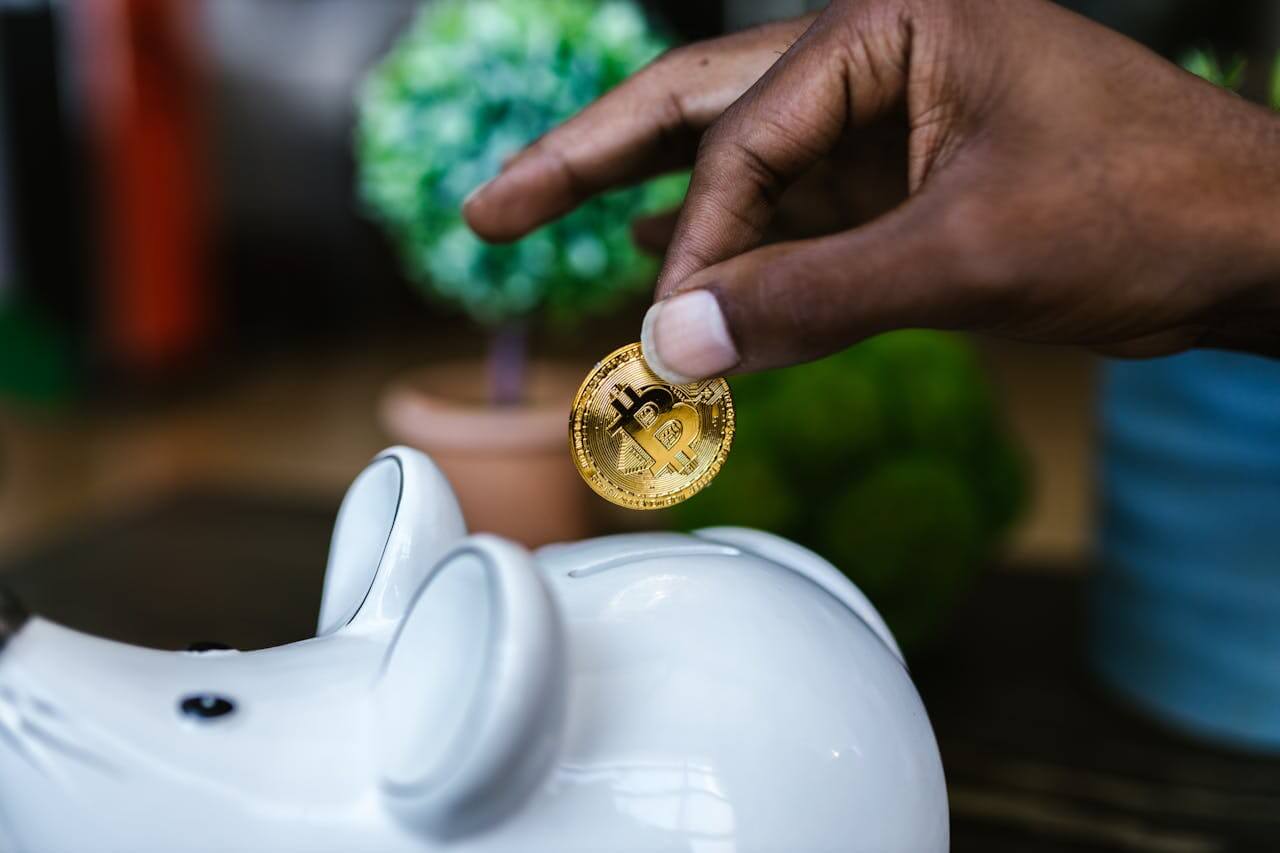
How Should I Invest in Bitcoin Responsibly
Start with an amount you can truly afford to lose. For most beginners, this means $100 to $500, not thousands of dollars.
Dollar-cost averaging – making regular small purchases rather than one large investment – helps smooth out Bitcoin's notorious price swings. This strategy removes the pressure of trying to time the perfect entry point, which even professional traders struggle to achieve.
Choose your platform carefully. MEXC offers a user-friendly interface suitable for beginners, with robust security measures and transparent fee structures.
Research any exchange's track record, security features, and insurance coverage before depositing funds. Bitcoin ETFs available through traditional brokerages offer another option, simplifying taxes and eliminating the need to manage private keys yourself.
Security must be your top priority. Enable two-factor authentication on every account, using an authenticator app rather than SMS codes when possible.
For holdings exceeding $1,000, seriously consider a hardware wallet like Ledger or Trezor. These devices keep your private keys offline, protected from internet-based attacks.
Never share your seed phrase with anyone, regardless of how official they claim to be. Legitimate companies will never ask for this information.
Be extremely wary of investment opportunities promising guaranteed returns or pressure tactics urging you to invest immediately. If something sounds too good to be true in the cryptocurrency space, it almost certainly is.
FAQ
Is it too late to profitably invest in Bitcoin?
Bitcoin's history shows that multiple entry points have led to long-term gains, though early adopters benefited most from exponential growth.
How much should I invest in Bitcoin to make money?
Financial advisors typically recommend allocating 1-10% of your total investment portfolio to Bitcoin, starting with amounts you can afford to lose completely.
Should I invest in Bitcoin now or wait?
Trying to time the market rarely succeeds; dollar-cost averaging through regular small purchases typically outperforms attempting to identify the perfect entry point.
Should I invest in Bitcoin right now?
Your decision should depend on your financial stability, risk tolerance, and investment timeline rather than current market conditions or price predictions.
When should I invest in Bitcoin?
The best time to invest is when you've established an emergency fund, understand the risks, and can commit to holding for at least 3-5 years regardless of price volatility.
Conclusion
There's no universal answer to whether you should invest in Bitcoin. Your decision depends on your personal risk tolerance, financial stability, knowledge level, and time horizon.
Bitcoin represents both significant opportunity and substantial risk. If you decide to invest, start small, prioritize security, and maintain realistic expectations about returns and volatility.
Education should precede investment. When you're ready, MEXC provides a secure platform for beginning your Bitcoin investment journey responsibly.
Oportunitate de piață
Pret Nowchain (NOW)
$0.0005789
$0.0005789$0.0005789
USD
Nowchain (NOW) graficul prețurilor în timp real