Based on data from holder.io, the total market capitalization recently reached trillions of dollars. Well-known exchanges such as MEXC, Binance, Coinbase, and others fall under the category ofBased on data from holder.io, the total market capitalization recently reached trillions of dollars. Well-known exchanges such as MEXC, Binance, Coinbase, and others fall under the category of
新手学院/区块链百科/DeFi/What is a D...d Exchange?

What is a Decentralized Exchange?

Aug 18, 2025MEXC
0m
IO
IO$0.158-4.24%
Trillions
TRILLIONS$0.0003246-14.75%
WELL3
WELL$0.0000103--%
Ambire Wallet
WALLET$0.01592-9.39%
TokenFi
TOKEN$0.002623-0.07%

Based on data from holder.io, the total market capitalization recently reached trillions of dollars. Well-known exchanges such as MEXC, Binance, Coinbase, and others fall under the category of centralized exchanges (CEX). Conversely, there exist decentralized exchanges, commonly referred to as DEX.


1. Differences Between DEXs and CEXs


1.1 Asset Control: On CEXs, users' assets are controlled by the exchange, and users deposit their assets into the exchange's wallet. Users entrust their assets to the exchange, which manages and safeguards them. Conversely, on DEXs, users control their own assets. DEXs only offer token exchange services and earn trading fees, without providing asset custody services.

1.2 Transaction Efficiency: CEX transactions occur off-chain, with extremely fast execution speeds and no cost erosion as long as there is sufficient liquidity. DEX data is recorded on the blockchain network, with each transaction and state change logged, resulting in relatively slower speeds and higher costs.

1.3 Security: Due to centralized management of a large volume of user assets, CEXs are susceptible to hacking attacks, as seen in the "Mt. Gox incident." DEXs are responsible only for trade matching, with users maintaining control over their assets.

1.4 Token Trading: CEXs usually select mainstream tokens and those with a certain level of popularity to list on the exchange. However, DEXs are not restricted by this selection process. Anyone can provide liquidity for a token, leading to the availability of almost all tokens on a DEX.

2. Characteristics of DEXs


On-chain Execution: All transactions are executed through smart contracts and are considered complete only after blockchain confirmation. Traditional exchanges record data in centralized databases, which can be rolled back at any time.

No Identity Verification Required: Users can directly log in to different DEX platforms for trading as long as they have a decentralized wallet account, without the need for complex registration and KYC verification.

No Asset Custody Required: In decentralized exchanges, cryptographic assets are stored directly in users' wallets, giving users absolute control over their assets. This significantly reduces the risk of exchanges unexpectedly ceasing operations or engaging in unscrupulous activities.

3. Development of DEXs


In 2014, Counterparty, a token crowdfunding platform based on the Bitcoin blockchain, was established, allowing all Counterparty tokens to be traded on the Bitcoin-based DEX.

In 2017, IDEX emerged on the Ethereum network, mimicking Counterparty. Its total trading volume for the year was less than $5 million.

In 2018, Bancor introduced the concept of building an Automated Market Maker (AMM). However, the platform's lower trading volume impacted liquidity providers' earnings, resulting in weaker attraction.

In November 2018, Uniswap launched, offering a more user-friendly design and supporting permissionless listing of crypto assets.

It was also in 2018 that DEX trading volume exploded for the first time, reaching $2.8 billion.

In 2020, the unforgettable DeFi Summer was written into history.

During that year, Curve emerged online, focusing on stablecoin trading. AAVE underwent a redesign and relaunched from ETHLend. Uniswap V2, Bancor V2, and AAVE V2 were successively launched. Balancer, Compound, and Sushiswap initiated liquidity mining, and Uniswap token airdrops began competing for liquidity.

By the end of 2020, the DeFi market's trading volume exceeded $29 billion.

4. Types of DEXs


As of now, there are two main types of DEX, one based on order books and the other based on liquidity pools.

4.1 Order Book-based DEXs


An order book is a list of buy and sell orders for a specific asset at different price levels, similar to how a CEX operates. Examples of platforms embodying this approach include dYdX and Loopring. Unlike CEXs, where assets are stored in the exchange's wallet, DEX assets are stored in users' wallets.

DEX order books can exist either on-chain or off-chain. Due to high gas fees on Ethereum, on-chain order books on Ethereum-based DEXs have become problematic due to the heavy load on the blockchain, since all the orders are recorded on-chain. Exploring alternatives such as layer 2 solutions or blockchains with high TPS, like Solana, could present viable options.

For off-chain order book-based DEXs, trade orders are placed off-chain, while the actual executions occur on-chain. This approach is considered semi-decentralized.

4.2 Liquidity Pool-based DEXs


Automated Market Makers (AMMs) are among the most innovative inventions in recent DeFi history, and most liquidity pool-based DEXs utilize AMMs. AMMs significantly enhance capital utilization efficiency.

Liquidity pools serve as reservoirs for two or more tokens, stored within the smart contracts of the DEX, available for users to trade at any time. Think of liquidity pools as pools of tokens available for trading. If you want to exchange ETH for USDT, you would participate in the ETH/USDT liquidity pool by contributing ETH to the pool and extracting a specified amount of USDT from the pool through algorithmic processes.

5. Will DEXs Replace CEXs?


The explosive growth of DeFi has highlighted the potential of DEXs within the crypto community. The enduring impact of the Mt. Gox incident and the rapid collapse of FTX's massive crypto empire in less than 10 days have raised concerns regarding the safety of user assets on centralized exchanges due to the recurring risks associated within the CEX realm.

While the shortcomings of centralization have faced longstanding criticism, DEXs currently face issues of low trading efficiency and high fees. Thus, as of now, CEXs and DEXs coexist, with CEXs still dominating the mainstream. However, as the crypto market continues to expand and develop, and as solutions for the challenges DEXs encounter on the blockchain emerge, a future where DEXs potentially supersede or capture a significant market share from CEXs is foreseeable.


热门文章

什么是预测合约?一种简单快捷的合约交易方式

什么是预测合约?一种简单快捷的合约交易方式

加密货币合约交易以其高杠杆和多空双向获利的能力吸引了无数投资者,但其复杂的机制——保证金、杠杆、强平价格等,也让许多新手望而却步。为了降低衍生品交易的门槛,MEXC 创新性地推出了“预测合约”。它摒弃了传统合约的复杂性,将交易回归到最核心的本质:判断涨跌。*BTN-开启您的合约交易之旅&BTNURL=https://www.mexc.com/futures/BTC_USDT *1. 什么是预测合约
MEXC 全球数字资产交易所七周年:以"多"为基因,铸造加密新基建

MEXC 全球数字资产交易所七周年:以"多"为基因,铸造加密新基建

当时针指向第七个刻度,MEXC 交易所正持续以"多"为战略基因,在数字金融的星辰大海中书写着属于创新者的史诗。七载光阴,MEXC 打造的不仅是一个交易平台,更是一个多维立体的加密生态系统——在这里,多样性是流淌在一行行代码里的血液。一、热币矩阵:构建数字资产超级市场2,905 种现货币对与 1,130 种合约币种构成的数字资产宝库,让 MEXC 稳居全球热币数量王座。这不是简单的数字堆砌,而是精准

如何在MEXC上线项目:申请流程完整指南

如何在MEXC上线项目:申请流程完整指南

将您的加密货币项目在MEXC上市需要几个步骤和要求。以下是一份全面的指南:1. MEXC上市流程概述MEXC根据您的项目阶段、社区规模和资源提供不同的上市路径。与Coinbase等其他交易所相比,MEXC以相对易于访问而闻名。第1步:了解MEXC的上市标准基于项目价值的审查流程最适合具有强大基础的项目第2步:准备您的项目在申请之前,请确保您准备好这些必需品:技术要求智能合约信息合约地址(在区块链浏
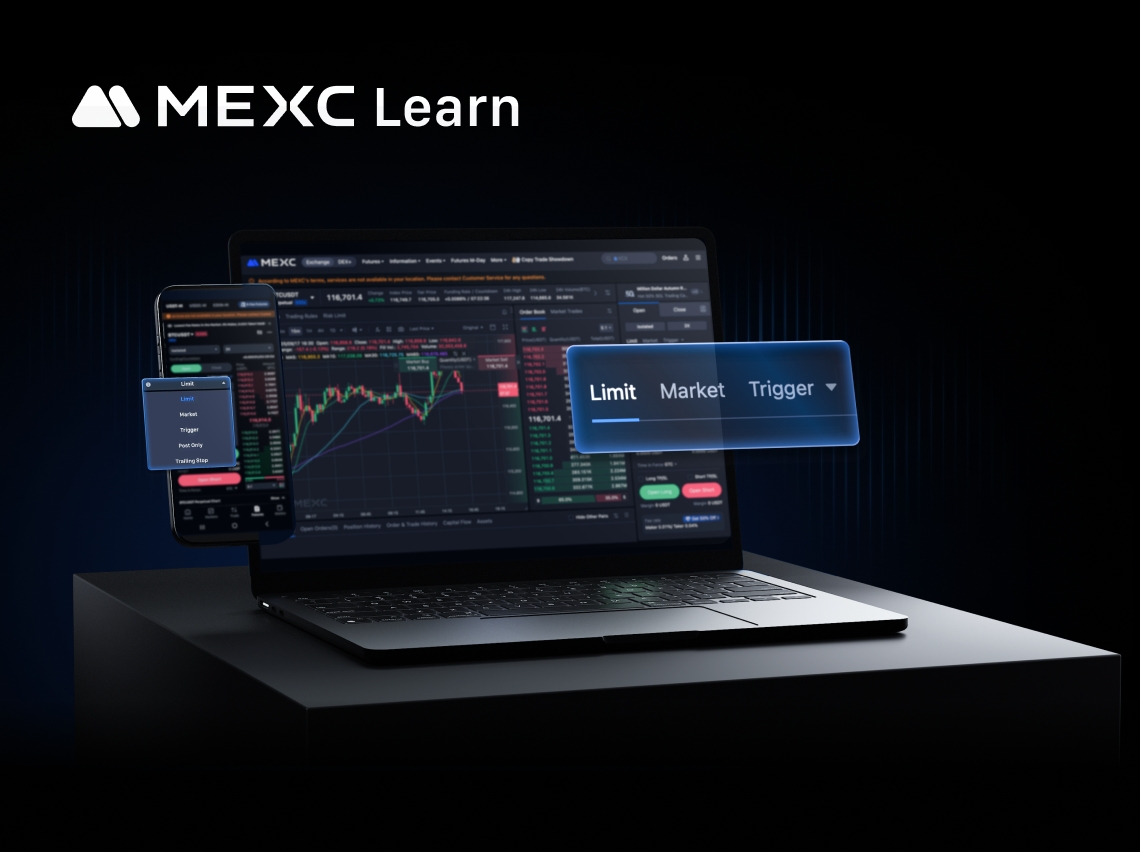
如何使用 MEXC 不同的订单模式进行合约下单?帮你低成本快速完成建仓

如何使用 MEXC 不同的订单模式进行合约下单?帮你低成本快速完成建仓

在瞬息万变的加密货币合约市场中,建仓(即开立仓位)是交易的第一步,也是决定交易成败的关键一步。许多交易者,尤其是新手,往往只知道使用最基础的市价单和限价单,这不仅可能让他们错失良机,还可能因为滑点等问题无形中增加了交易成本。事实上,像MEXC这样专业的交易平台提供了多种订单模式,每一种都像一个精密的工具,为特定的交易场景而设计。掌握这些工具,意味着您能更主动、更精准地执行自己的交易策略。本文将全面

热门加密动态
Chainlink巨鲸悄然积累2.63亿美元LINK:市场反转信号?

Chainlink巨鲸悄然积累2.63亿美元LINK:市场反转信号?

Key Takeaways Chainlink前100名巨鲸地址自11月初累计增持2046万枚LINK代币,价值约2.63亿美元首只Chainlink ETF于12月2日在纽约证券交易所上市,为机构投资者提供合规渠道尽管价格持续下跌,链上数据显示大型持有者在低位持续建仓中心化交易所近30天净流出435万枚LINK,减少市场抛压当前LINK价格在12.5-13美元区间震荡,技术面显示潜在反转机会 S
NVIDIA (NVDAON) 短期价格预测

NVIDIA (NVDAON) 短期价格预测

NVDAON 短期价格预测简介在快节奏的加密货币世界中,短期预测可以帮助交易者在日、周和月时间框架内识别机会。NVIDIA (NVDAON) 的短期价格预测结合了技术指标、交易模式和当前市场情绪,以提供对NVDAON下一步可能走向的见解。这些 NVIDIA 代币价格预测对于寻求优化入场和退场点的交易者至关重要。当前 NVIDIA (NVDAON) 市场状况根据 MEXC 最新可用数据,NVDAON

苹果代币化股票(AAPLON)看涨价格预测

苹果代币化股票(AAPLON)看涨价格预测

看涨 AAPLON 前景介绍乐观投资者经常关注苹果代币化股票(AAPLON)的看涨价格预测,以识别该币种在有利的市场周期中的增长潜力。看涨前景探索了各种情况,其中采用率、创新和市场动力推动AAPLON走高,特别是当代币化的实体资产在全球加密货币市场获得牵引力时。AAPLON 当前市场概况根据最新可用数据,AAPLON在MEXC上活跃交易,以USDT为对手,同时提供现货和衍生品市场,具有实时加密货币
Tether Gold (XAUT) 价格预测:市场预测和分析

Tether Gold (XAUT) 价格预测:市场预测和分析

了解Tether Gold (XAUT)的价格预测为交易者和投资者提供了对潜在市场趋势的前瞻性视角。价格预测并非保证,但它们通过结合历史表现、技术指标、市场情绪和更广泛的经济条件提供了有价值的见解。Tether Gold (XAUT) 当前市场概览截至2025年12月15日星期一,Tether Gold (XAUT)的交易价格为$4347.01,市值为$1,632,257,233。其24小时交易量

相关文章

什么是ether.fi?一文读懂连接400+协议的以太坊再质押领跑者

什么是ether.fi?一文读懂连接400+协议的以太坊再质押领跑者

TL;DRether.fi 是建立在以太坊上的去中心化再质押平台,用户可以质押 ETH、BTC 和稳定币获取收益。ETHFI 是平台的治理代币,持有者可以参与协议的去中心化治理和决策。平台推出了 weETH、eBTC、eUSD 等流动性代币,让质押资产可以在 DeFi 生态中自由流通。Cash 是一款非托管的加密货币信用卡,支持全球超过 1 亿个消费场所,最高提供 3% 返现。平台已与超过 400

什么是预测合约?一种简单快捷的合约交易方式

什么是预测合约?一种简单快捷的合约交易方式

加密货币合约交易以其高杠杆和多空双向获利的能力吸引了无数投资者,但其复杂的机制——保证金、杠杆、强平价格等,也让许多新手望而却步。为了降低衍生品交易的门槛,MEXC 创新性地推出了“预测合约”。它摒弃了传统合约的复杂性,将交易回归到最核心的本质:判断涨跌。*BTN-开启您的合约交易之旅&BTNURL=https://www.mexc.com/futures/BTC_USDT *1. 什么是预测合约

七载锋芒!MEXC 7周年庆揭秘“合约交易”的5大优势

七载锋芒!MEXC 7周年庆揭秘“合约交易”的5大优势

在加密货币市场快速发展的今天,合约交易因其高效性和灵活性已成为众多交易者的重要工具。作为全球领先的加密货币交易平台,MEXC 自 2018 年成立以来,始终致力于为全球用户提供专业、安全、高效的交易服务。在 MEXC 7 周年之际,本文特别总结了 MEXC 合约交易的全面优势,帮助用户更好地了解为何选择 MEXC 进行合约交易。了解合约交易合约交易是一种衍生品交易形式,允许交易者在未来以预定价格买

MEXC 七周年:锚定“上币最快”,领航加密货币交易新纪元

MEXC 七周年:锚定“上币最快”,领航加密货币交易新纪元

七年前,MEXC 交易所怀揣着对加密货币的无限热情与憧憬,投身于这片机遇与挑战并存的蓝海。七年风雨兼程,MEXC 凭借快速上币的显著优势,在全球加密资产交易市场中脱颖而出,成为众多投资者的首选平台。数据见证:MEXC 快速上币的辉煌成就自成立以来,MEXC 始终将用户需求置于首位,致力于为用户提供最全面、最丰富的交易选择。截至 2025 年 4 月 16 日 15:00(UTC+8),ME

注册MEXC账号
注册 & 获得高达10,000 USDT奖金