A banking crisis can change how people think about money. When customers cannot access their deposits, confidence in the institutions holding their savings begins to weaken. The collapse of a bank does not just affect its balance sheet; it raises questions about financial security, institutional oversight and how much control individuals really have over their own money.
Paraguay's Ueno Bank crisis in November 2026 brought these questions back into focus. After regulators found that the bank's solvency ratio had fallen below half the legal minimum, they initiated resolution proceedings. The situation disrupted access to deposits and developed into a wider political crisis. At the same time, interest in Bitcoin and dollar-backed stablecoins attracted attention in local markets. This raises an important question: can cryptocurrency provide a genuine alternative when traditional banking institutions fail, or does it simply introduce a different set of financial risks?
How Ueno Bank Became a Financial Risk
Ueno was not a traditional bank struggling to remain relevant. Launched in 2021, it expanded rapidly through digital banking services and built a customer base of approximately three million people. It also managed around $850 million in public funds, making it an important part of Paraguay's financial system.
However, rapid growth does not necessarily indicate financial strength. On November 2, 2026, Paraguay's Central Bank initiated resolution proceedings after reviewing the institution's financial position. The review found that Ueno's solvency ratio had fallen below half the minimum legally required level. In practical terms, its capital position was insufficient to meet regulatory requirements.
The bank also faced scrutiny over its lending activities, including concerns about significant exposure to companies connected to its controlling shareholder, Grupo Vázquez. Its political connections became another source of controversy. These issues raised questions about lending concentration, governance and whether regulatory oversight had correctly addressed the risks associated with its expansion.
The scale of Ueno's operations made the situation particularly sensitive. Millions of customers depended on the institution for everyday financial services, while public funds were also involved. When access to accounts was disrupted, the crisis quickly moved beyond the bank itself.
Paraguay has experienced banking instability before. During the 1995 crisis, Banco General and Bancopar encountered serious financial difficulties, and government intervention reportedly cost around $360 million, equivalent to approximately 4% of GDP at the time. Further bank failures followed in 1997, while the 2002–03 crisis contributed to a domestic debt default and an agreement with the International Monetary Fund.
One important reform after those earlier crises was the introduction of a formal deposit guarantee system in 2003.
Under the current framework, eligible deposits are protected up to 75 monthly minimum wages, or 228.3 million guaraníes per depositor, per institution. The central bank estimated that this coverage protects approximately 97% of Ueno’s depositors. The distinction is important becuase deposit insurance can reduce losses for eligible customers, but it cannot prevent a bank from failing or guarantee that everyone will have immediate access to their money.
Why Paraguay's Banking Crisis Is Drawing Attention to Crypto
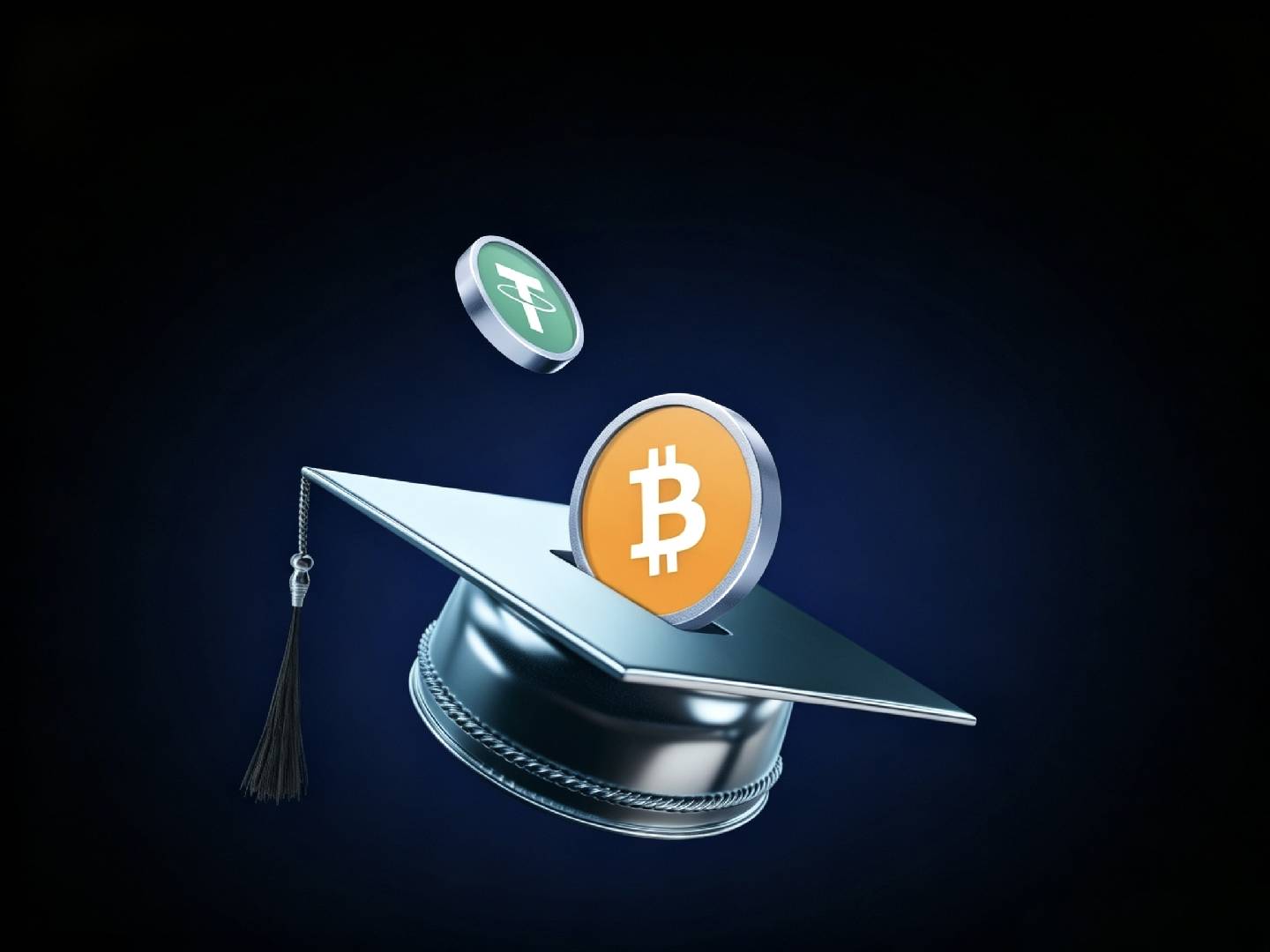
When confidence in a bank weakens, customers look for ways to protect their savings and maintain access to their money. In Paraguay, Bitcoin and Tether's USDT have attracted attention because they offer different alternatives to conventional bank deposits.
Bitcoin's appeal comes from its ownership structure. A person who holds Bitcoin in a self-custody wallet controls the private keys rather than relying on a bank to maintain an account balance. Transactions can take place across the Bitcoin network without requiring approval from a traditional financial institution. This does not make Bitcoin a stable store of value, but it can reduce dependence on a single banking intermediary.
USDT serves a different purpose. It is designed to maintain a value close to one US dollar, making it attractive to people seeking dollar exposure without opening or maintaining a conventional dollar bank account. In countries where confidence in local financial institutions or currencies is under pressure, this feature can be particularly appealing.
There have also been signs of increased interest in Paraguayan peer-to-peer markets. Reports in November 2026 identified Bitcoin advertisements at prices above international reference levels, while USDT listings also showed premiums against quoted local exchange rates. One analysis placed the median advertised USDT buying price at approximately 6,399 guaraníes, around 3.4% above the referenced cash dollar rate.
These figures are worth examining, but they should not be mistaken for proof of mass adoption. P2P advertisements show prices at which traders are willing to transact, not necessarily completed transactions or total market volume. Premiums can also reflect currency movements, limited liquidity, payment preferences and the additional cost of obtaining dollars during periods of uncertainty.
Still, the underlying motivation is important. People may not be turning to crypto because they suddenly believe Bitcoin will deliver exceptional investment returns. They may simply want another way to hold value, transfer money or reduce their dependence on institutions they no longer fully trust.
What Would Change If Crypto Became a Banking Alternative?
If cryptocurrency developed into a serious alternative to traditional banking, the biggest change would be the distribution of financial control. Individuals and businesses would have more options for holding and transferring money instead of relying entirely on bank accounts.
Consider a small business that keeps its operating capital in a bank. If that institution becomes inaccessible, the business may struggle to pay employees, suppliers and other expenses, even if its deposits are eventually recovered. Holding part of its funds in a properly secured digital wallet could provide another route for accessing and transferring value. The change could also increase competition in financial services. Blockchain-based payments can operate across borders without depending entirely on conventional correspondent banking networks. For certain transfers, this may reduce settlement delays and costs. Stablecoins could be particularly useful for businesses that regularly deal with international customers or suppliers.
However, the consequences would extend beyond individual users. If large numbers of customers moved deposits into stablecoins or self-custodied assets, banks could lose an important source of funding. Deposits help banks finance loans to households and businesses. A rapid shift away from bank deposits could therefore affect credit availability and increase pressure on the financial system.
This creates a difficult trade-off. Crypto can give individuals greater independence from banks, but widespread adoption could weaken the traditional institutions that provide lending and other essential services. The outcome would depend on how quickly money moved, how regulators responded and whether alternative financial infrastructure could support economic activity at scale.
Why Crypto Cannot Completely Replace Traditional Banks
The ability to hold and transfer digital assets independently is valuable, but it does not mean cryptocurrency can perform every function of a bank.
Bitcoin's main limitation is price volatility. Someone using it to protect savings could face substantial losses during a market downturn. Its decentralized structure removes the need for a central issuer, but it does not guarantee purchasing-power stability.
USDT carries a different risk. It is issued by a private company and depends on the quality and accessibility of its reserves, redemption arrangements and ability to maintain confidence in its dollar peg. It is not equivalent to an insured bank deposit. If users cannot redeem their tokens when needed, the practical value of that dollar link could come under pressure.
Self-custody also shifts responsibility to the individual. Losing private keys, falling victim to phishing or sending funds to the wrong address can result in permanent losses. Traditional banks have their own failures, but they also provide customer support, regulated dispute processes and deposit protection within applicable limits. There is an even bigger economic limitation: banks do not simply store money. They provide credit, finance businesses, process salaries and connect savers with borrowers. A blockchain can transfer value, but it does not automatically recreate a regulated lending system or provide the consumer protections associated with established banking.
For Paraguay, the more realistic outcome is not the disappearance of banks. It is a financial system in which regulated institutions operate alongside digital assets and payment networks. Stronger bank supervision, credible deposit protection and clear rules for stablecoins could give people more choices without removing essential financial services.
Conclusion
Paraguay's Ueno Bank crisis does not prove that cryptocurrency can replace traditional banking, but it demonstrates why people look for alternatives when access to their money becomes uncertain. Bitcoin offers independent ownership, while USDT provides a way to hold a dollar-linked digital asset, although both carry risks that bank deposits do not share in the same way. The real opportunity for crypto may therefore be less about eliminating banks and more about reducing dependence on individual intermediaries, increasing competition and giving people greater control over how they hold and transfer value. Ultimately, the crisis is a reminder that a resilient financial system needs both trustworthy institutions and credible alternatives.
Disclaimer: This article is for educational and informational purposes only and does not constitute any financial or legal advice. Digital assets investment carries significant risks. Readers should do their own research before making any financial decision.