

ODOS Position Sizing: Control Your Risk

Introduction to Position Size Management in ODOS Trading
Understanding why position sizing is crucial for ODOS investments is fundamental for any trader or investor. In the cryptocurrency market, where price swings of 5-20% in a single day are common, proper position sizing can mean the difference between sustainable growth and devastating losses. For example, a trader who invests 50% of their portfolio in a single ODOS position risks catastrophic losses, while limiting each ODOS trade to just 1-2% ensures that no single trade can significantly damage their overall portfolio.
The Importance of Risk-to-Reward Ratios
Defining optimal risk-to-reward ratios for ODOS trades is essential for long-term success. Most experienced ODOS traders aim for at least a 1:3 risk-to-reward ratio. This means that even with a 50% win rate, your portfolio can still grow steadily. For instance, if you enter ODOS at $0.0045 with a stop-loss at $0.0040 and a profit target at $0.0055, your risk-to-reward ratio is 1:2. During periods of heightened ODOS volatility, it is prudent to adjust your position size downward to compensate for increased uncertainty.
Implementing the Percentage Risk Model
Using the fixed percentage risk approach (the 1-2% rule) for ODOS investments is a proven method to protect your capital. To calculate ODOS position size, determine your total portfolio value and the percentage you are willing to risk per trade. For example, with a $10,000 portfolio and a 1% maximum risk per ODOS trade, you are only risking $100 on any position. If buying at an entry price of $0.0050 with a stop-loss at $0.0045, your ODOS position size would be 20,000 units of ODOS, protecting your portfolio from catastrophic drawdowns during unexpected market events.
Diversification and Correlation Management
Balancing ODOS with other assets in your crypto portfolio is key to effective risk management. During bull markets, many cryptocurrencies show correlation coefficients exceeding 0.7 with ODOS. If you allocate 2% risk to ODOS and another 2% to a highly correlated asset, your effective ODOS exposure might actually be closer to 3-4%. A more balanced approach includes reducing position sizes in correlated assets and ensuring your portfolio contains truly uncorrelated investments like stablecoins or certain DeFi tokens alongside your ODOS holdings.
Advanced Risk Control Techniques
Implementing tiered position entry and exit strategies can further enhance your ODOS risk management. Consider dividing your intended ODOS position into 3-4 smaller entries at different price levels rather than entering a full position at once. When trading ODOS on MEXC, set stop-loss orders approximately 5-15% below your entry point and take-profit orders at levels maintaining your desired risk-reward ratio. For example, with a $0.0050 ODOS entry, you might set a stop-loss at $0.0043 and tiered take-profits at $0.0065, $0.0080, and $0.0100, removing emotional decision-making while capturing ODOS profits systematically.
Conclusion
Implementing effective position sizing and risk management is essential for successful ODOS trading. By limiting each ODOS position to 1-2% of your portfolio, maintaining favorable risk-to-reward ratios, diversifying across uncorrelated assets, and using advanced ODOS entry and exit strategies, you can significantly improve your long-term results. Ready to apply these techniques to your ODOS trading? Visit MEXC's ODOS Price page for real-time ODOS market data, advanced charting tools, and seamless trading options that make implementing these strategies simple and effective.
The articles shared on this page are sourced from public platforms and are provided for reference only. They do not represent the position or views of MEXC. All rights belong to MEXC. If you believe any content infringes upon the rights of a third party, please contact [email protected] for prompt removal. MEXC does not guarantee the accuracy, completeness, or timeliness of any content and is not responsible for any actions taken based on the information provided. The content does not constitute financial, legal, or other professional advice, nor should it be interpreted as a recommendation or endorsement by MEXC. For expert insights and in-depth analysis, visit MEXC Learn.
Learn More About NEAR
View More
Rate Hike Lands, BTC Hits 8-Month High — Bad News Priced In or a Short-Squeeze Rally? | MEXC Alpha Trader Weekly Research

MEXC On-Chain Daily Report: SoFi Uses Stablecoin Settlement for Mastercard Transactions, Annualized Volume Expected to Exceed $25 Billion

Nvidia Stock Price Prediction: Is the AI Boom Now Eating Nvidia's Own Profit?
Latest Updates on NEAR
View More
SpaceX Options Surge: Turning IPO Momentum Into a Volatility Test
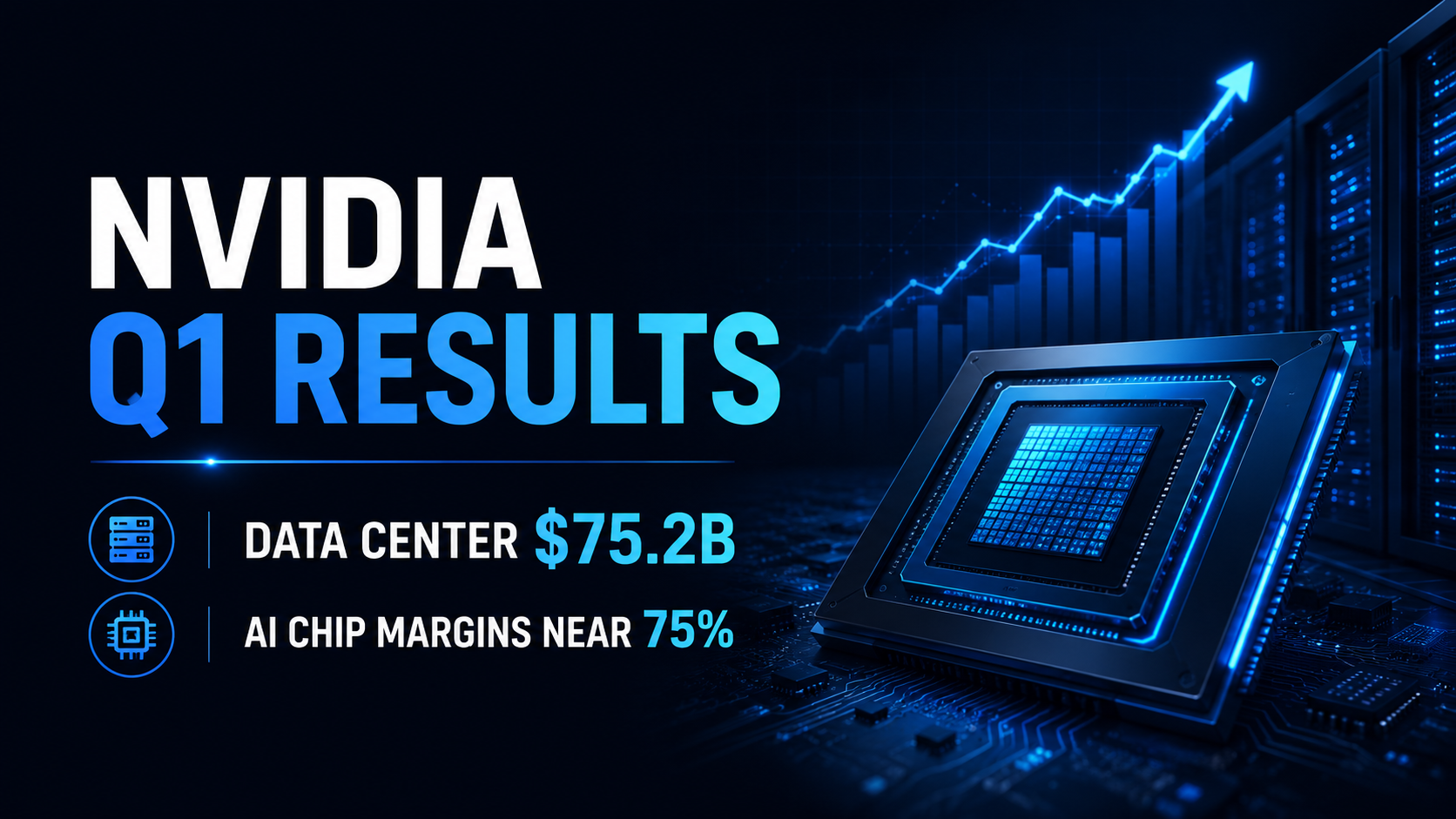
Nvidia FY2027 Q1 Earnings Review: Data Center Revenue Hits $75.2B as AI Chip Margins Hold Near 75%

Miden USDCx Brings Private Stablecoin Payments Onchain


You May Also Like
HOT
Currently trending cryptocurrencies that are gaining significant market attention
Crypto Prices
The cryptocurrencies with the highest trading volume
Newly Added
Recently listed cryptocurrencies that are available for trading