


Introduction to KYC in Cryptocurrency Trading
Know Your Customer (KYC) is a mandatory verification process implemented by financial institutions, including MEXC, to confirm the identity of their users. In the rapidly evolving cryptocurrency market, KYC serves as a critical safeguard against financial crimes such as money laundering, terrorist financing, and fraud. For traders of SCARCITY and other digital assets, KYC has become an essential step before enjoying full platform functionalities.
The implementation of KYC procedures is largely driven by international regulatory standards such as FATF recommendations and local financial regulations that require cryptocurrency exchanges to maintain the same level of compliance as traditional financial institutions. As SCARCITY continues to gain popularity since its February 2025 launch, exchanges listing this token must adhere to increasingly stringent compliance requirements, particularly in jurisdictions with comprehensive crypto regulations like the United States, European Union, Singapore, and Japan.
For SCARCITY traders specifically, KYC verification directly impacts trading capabilities, withdrawal limits, and access to certain platform features such as staking rewards, airdrops, and trading competitions. While some traders may view KYC as an inconvenience, understanding its importance in the broader regulatory landscape is essential for anyone serious about trading SCARCITY or other cryptocurrencies in today's market.
Core KYC Requirements for SCARCITY Trading
When trading SCARCITY on regulated exchanges, users typically need to provide a valid government-issued photo ID (passport, driver's license, or national ID card), proof of address (utility bill, bank statement issued within the last 3-6 months), and in some cases, a selfie holding their ID with a handwritten note stating the date and platform name. These requirements ensure compliance with Anti-Money Laundering (AML) and Counter-Terrorism Financing (CTF) regulations while establishing a secure trading environment for SCARCITY token traders.
Most platforms offering SCARCITY token trading implement tiered verification levels, each with corresponding privileges. For example, on MEXC, basic verification allows for cryptocurrency deposits and limited trading, while advanced verification enables higher daily withdrawal limits of up to 100 BTC equivalent and access to additional trading pairs and features. For institutional traders of SCARCITY, an additional corporate verification level may be required, involving company registration documents and proof of authority for the account operator.
Industry standards for identity verification in cryptocurrency exchanges continue to evolve, with leading platforms now employing AI-powered facial recognition, liveness detection, and document authenticity checks to validate user identities. These technological advancements have significantly improved the efficiency and accuracy of KYC procedures for SCARCITY traders, reducing verification times from days or weeks to hours or even minutes in many cases.
KYC Process on Major SCARCITY Trading Platforms
The typical KYC verification process for trading SCARCITY token begins with creating an account on your chosen exchange, followed by navigating to the verification or identity section in your account settings. From there, users will need to select their country of residence, which determines the specific compliance requirements they'll need to meet. Next comes uploading the required documentation through the platform's secure interface, and finally, waiting for verification approval before gaining full SCARCITY trading privileges.
On MEXC, the process for SCARCITY cryptocurrency trading follows a streamlined two-level verification system. For Level 1 verification, users need only provide their full name, country of residence, and pass basic facial verification. This grants immediate access to deposit cryptocurrencies and trade with limited daily withdrawal amounts. For Level 2 verification, which unlocks full platform functionality including higher withdrawal limits, users must submit a clear photo of their government-issued ID and complete facial verification that matches their ID photo. The MEXC platform supports passport, national ID, and driver's license for most countries.
Verification timeframes vary by platform and user volume, but most exchanges processing SCARCITY trades complete basic verification within 10-30 minutes when automated systems are functioning optimally. Advanced verification typically takes 1-3 business days, depending on the clarity of submitted documents, current verification queue volume, and any additional security checks triggered during the review process. During high-volume periods, such as major token launches or market movements, verification can take longer, so completing KYC well before planning to trade significant amounts of SCARCITY token is advisable.
Benefits of Completing KYC for SCARCITY Trading
Completing KYC verification provides SCARCITY cryptocurrency traders with enhanced security protections that significantly reduce the risk of unauthorized account access and fraudulent activities. Verified accounts typically have access to additional security features like withdrawal address whitelisting, advanced two-factor authentication options, and priority customer support for addressing any security concerns. These protections are especially valuable when trading or holding substantial amounts of SCARCITY, which has seen significant price volatility since its launch.
Verified users enjoy substantially higher withdrawal limits, with most platforms increasing daily limits from a few hundred dollars to tens or hundreds of thousands of dollars equivalent after full verification. Additionally, KYC-verified SCARCITY token traders gain access to margin trading, futures contracts, staking opportunities, and participation in token sales that may not be available to unverified users. On MEXC specifically, verified users can participate in Kickstarter events and M-Day activities that often feature exclusive opportunities for SCARCITY and other tokens.
Completing KYC is often a prerequisite for participating in airdrops, trading competitions, and loyalty programs that can provide substantial benefits to active SCARCITY trading enthusiasts. Furthermore, verified users operate within a fully compliant trading environment, reducing exposure to legal complications, potential account freezes, and unexpected trading restrictions that might otherwise impact their ability to manage their SCARCITY cryptocurrency investments effectively.
Addressing KYC Concerns and Misconceptions
Privacy concerns remain a primary consideration for many SCARCITY traders approaching the KYC process. It's important to understand that reputable exchanges implement strict data protection protocols that comply with global data protection standards such as GDPR. User verification data is typically encrypted and stored separately from trading data, with access limited to specialized compliance personnel rather than general staff. While absolute privacy isn't possible with KYC, the protection mechanisms in place aim to minimize exposure risks while satisfying regulatory requirements for SCARCITY token trading.
Leading exchanges protect submitted personal information through end-to-end encryption, secure cloud storage with multi-factor access controls, and regular security audits conducted by independent cybersecurity firms. Many platforms, including MEXC, have adopted advanced data minimization practices that limit the storage of sensitive information to only as long as legally required, further reducing potential exposure of SCARCITY cryptocurrency traders' personal data.
Common verification problems include rejected documents due to poor image quality, name mismatches between submitted documents, and expiration date issues with identification documents. These can typically be resolved by resubmitting higher resolution images, providing additional supporting documentation, or contacting customer support for manual verification assistance. Some users also encounter regional restrictions that may limit their ability to complete certain verification levels based on their jurisdiction's relationship with the exchange's regulatory framework for SCARCITY token trading.
The cryptocurrency industry continues to work toward balancing privacy considerations with regulatory compliance, with many exchanges now exploring zero-knowledge proof technology and other privacy-preserving compliance solutions that could eventually reduce the personal information required while still satisfying regulatory requirements. In the meantime, SCARCITY cryptocurrency traders should carefully research exchange privacy policies and consider privacy-focused trading strategies within the constraints of necessary compliance.
Conclusion
Successful navigation of KYC requirements is an essential skill for SCARCITY token traders in today's regulated cryptocurrency environment. While the process may initially seem cumbersome, understanding its purpose in preventing financial crimes and protecting the broader ecosystem helps put these requirements in perspective. By preparing the right documentation, choosing platforms with efficient verification processes like MEXC, and addressing any verification issues promptly, traders can quickly move past this prerequisite step and focus on their primary goal: effectively trading SCARCITY cryptocurrency and optimizing their cryptocurrency portfolio.
The articles shared on this page are sourced from public platforms and are provided for reference only. They do not represent the position or views of MEXC. All rights belong to MEXC. If you believe any content infringes upon the rights of a third party, please contact [email protected] for prompt removal. MEXC does not guarantee the accuracy, completeness, or timeliness of any content and is not responsible for any actions taken based on the information provided. The content does not constitute financial, legal, or other professional advice, nor should it be interpreted as a recommendation or endorsement by MEXC. For expert insights and in-depth analysis, visit MEXC Learn.
Learn More About SCARCITY
View More
Why Do Gold, Oil, and Bitcoin Have Value? Scarcity Is Not Enough
Stocks vs. Gold vs. Crypto: How Their Risk and Return Profiles Differ
CXMT (688825.SH) Stock: China’s DRAM Champion Surges in Shanghai Debut
Latest Updates on SCARCITY
View More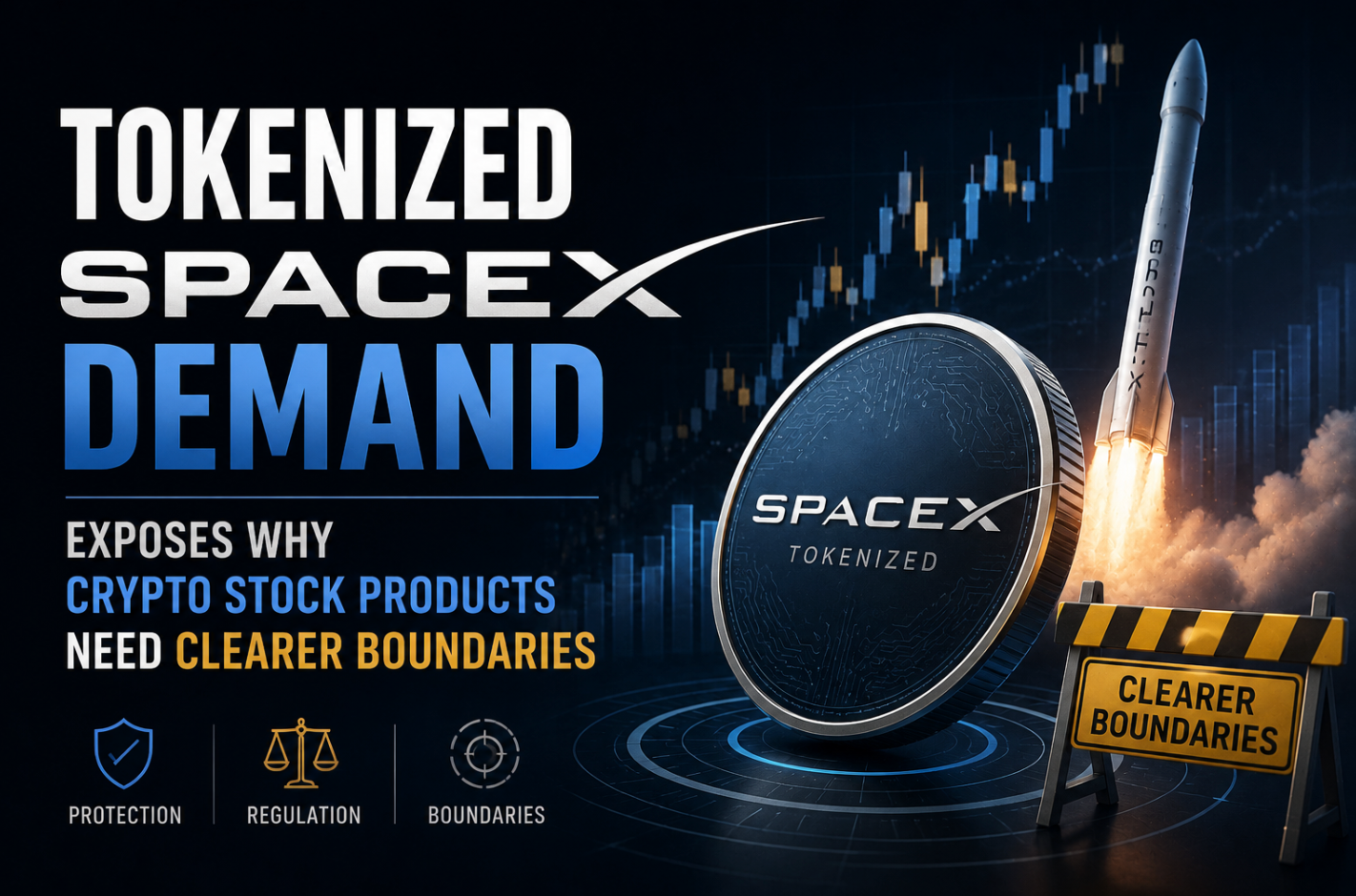
Tokenized SpaceX Demand Exposes Why Crypto Stock Products Need Clearer Boundaries

Micron Earnings Preview: AI Memory Scarcity Faces Its Biggest Durability Test Yet

SpaceX Slides as Debt Raise Revives the Valuation Debate


You May Also Like
HOT
Currently trending cryptocurrencies that are gaining significant market attention
Crypto Prices
The cryptocurrencies with the highest trading volume
Newly Added
Recently listed cryptocurrencies that are available for trading