Wormhole Token Surges After Tokenomics Reset and W Reserve Launch
Wormhole, a leading interoperability protocol that enables asset transfers across multiple blockchains, has announced significant updates to its native tokenomics. These changes include the introduction of a token reserve and enhanced incentives for stakers, which could influence the protocol’s governance structure, as voting power is tied to the stake of Wormhole tokens.
In a recent announcement, Wormhole outlined three primary modifications to its W token: the launch of a reserve funded through protocol fees and revenue, a fixed 4% yield on staked tokens with higher rewards for active ecosystem participants, and a shift from bulk token unlocks to biweekly unlock schedules. The protocol aims to foster increased asset transfer activity and messaging volume over the next one to two years, as more tokens become locked and revenue is reinvested into the platform.
Founded in late 2020 as a bridge between Ethereum and Solana, Wormhole introduced its native token on April 3, 2024. Initially trading at $1.66, the token experienced volatility, falling to a low of $0.54 within 10 days. However, following the tokenomics update, the token’s price surged by over 6% in a single day, reflecting investor interest in the new economic design.
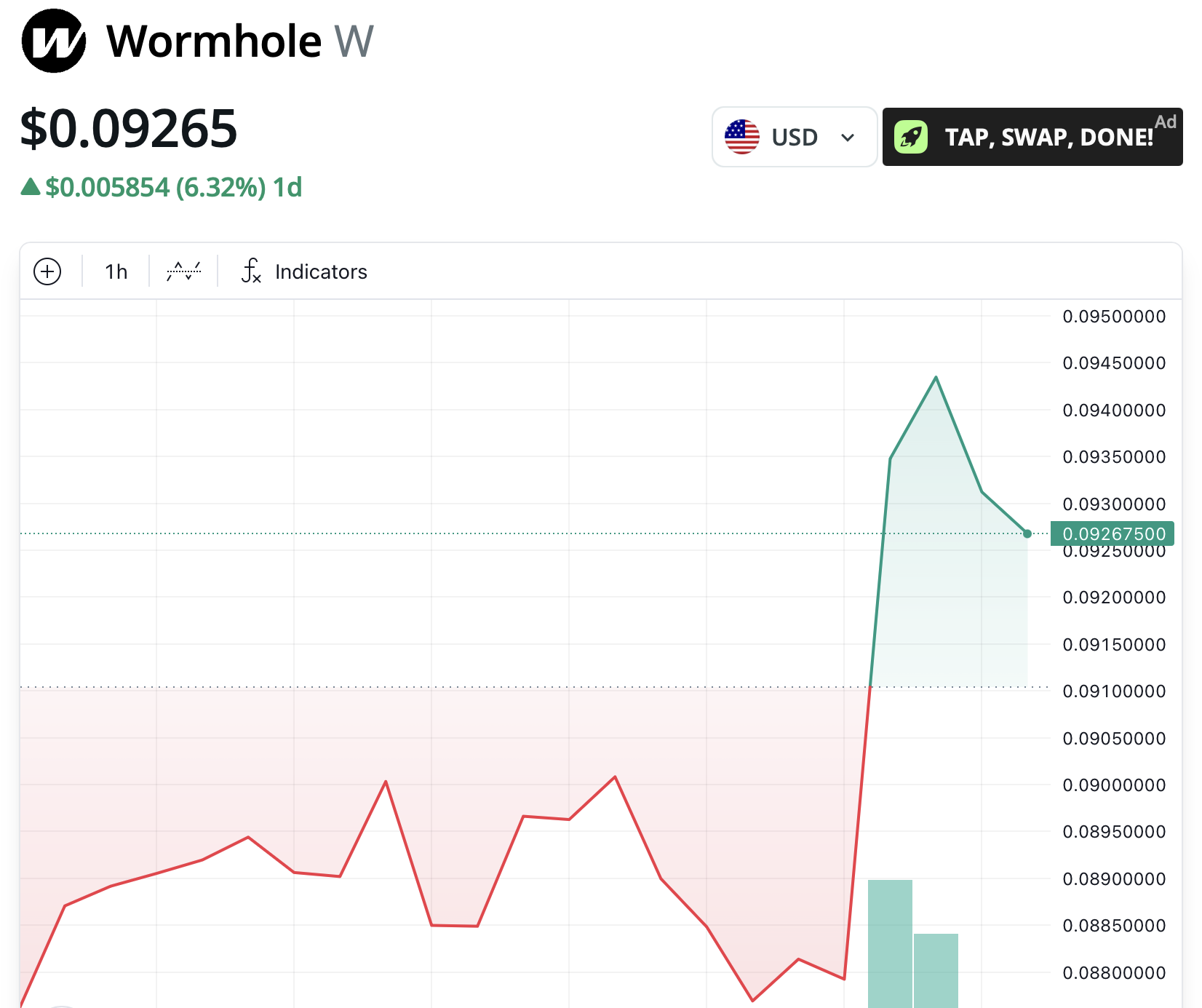 Wormhole token price on September 17, 2025. Source: Cointelegraph
The announcement garnered considerable attention on social media platform X, though some community members expressed disappointment over the absence of mechanisms like additional airdrops or buyback-and-burn strategies that could potentially reduce token supply and support price stability.
The revamped tokenomics also impacts Wormhole’s governance model. Token holders who stake their W tokens can delegate voting authority, influencing decisions such as protocol upgrades and shared protocol parameters. Currently, around $45 million worth of Wormhole tokens are staked, with approximately 485 million W participating in governance votes.
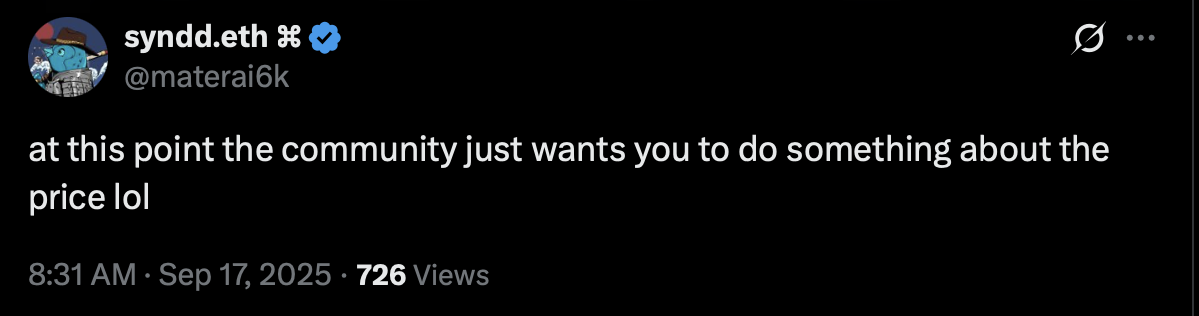 Source: syndd.eth
Notably, Dan Reecer, co-founder of the Wormhole Foundation, retains the largest influence with over $30.5 million in tokens staked, accounting for more than 25% of voting power. As the protocol evolves, the role of high-stakes stakeholders like Reecer is crucial in shaping future developments and strategic direction.
In the broader landscape, Wormhole competes with other prominent cross-chain messaging and interoperability protocols such as LayerZero, Axelar, and Chainlink. These platforms are instrumental in advancing the interoperability infrastructure necessary for the growth of DeFi, NFTs, and tokenized assets across multiple blockchain ecosystems, including Ethereum, Solana, and beyond.
Wormhole’s role in advancing crypto interoperability
As interoperability becomes a key focus in the crypto industry, protocols like Wormhole are central to enabling seamless transfer of cryptocurrencies, stablecoins, and real-world assets (RWAs) across the expanding blockchain universe. This function is vital for the future of decentralized finance (DeFi) and the broader adoption of blockchain technology.
With the ongoing evolution of crypto regulation and markets, maintaining robust, secure, and user-friendly interoperability solutions will be crucial for sustained industry growth and innovation.
This article was originally published as Wormhole Token Surges After Tokenomics Reset and W Reserve Launch on Crypto Breaking News – your trusted source for crypto news, Bitcoin news, and blockchain updates.
You May Also Like

Stellar Private Payments Goes Open-Source, Changing Everything

Stablecoin depegs are back — and Binance’s $4.5B USD1 supply chokepoint is setting up the next liquidity shock