Bhutan Dumps More Bitcoin as Its $252M BTC Reserve Shrinks
Bhutan is continuing to reduce its Bitcoin reserves. According to on-chain data tracked by Arkham Intelligence. The wallets linked to the Royal Government of Bhutan (Druk Holdings) recently transferred another 100 BTC worth roughly $8.1 million.
The latest movement adds to a steady selling pattern that has accelerated throughout 2026. So far this year, Bhutan has reportedly sold more than $230 million worth of Bitcoin. While still holding around $252 million in remaining reserves. At the current pace, Arkham estimates Bhutan could fully liquidate its Bitcoin position before the end of September. At the time of writing, the Current BTC Price sits near $80,748.
Latest Bitcoin Transfers Signal Continued Selling
Arkham’s latest tracking data shows multiple BTC outflows tied to wallets associated with Druk Holdings, Bhutan’s sovereign investment arm.
The transactions included:
- 90.8 BTC worth about $7.38 million
- 5 BTC worth roughly $411,000
- 4.5 BTC worth around $370,000
All transfers occurred within the past few hours and were routed to external wallet addresses. The move follows months of consistent Bitcoin outflows.
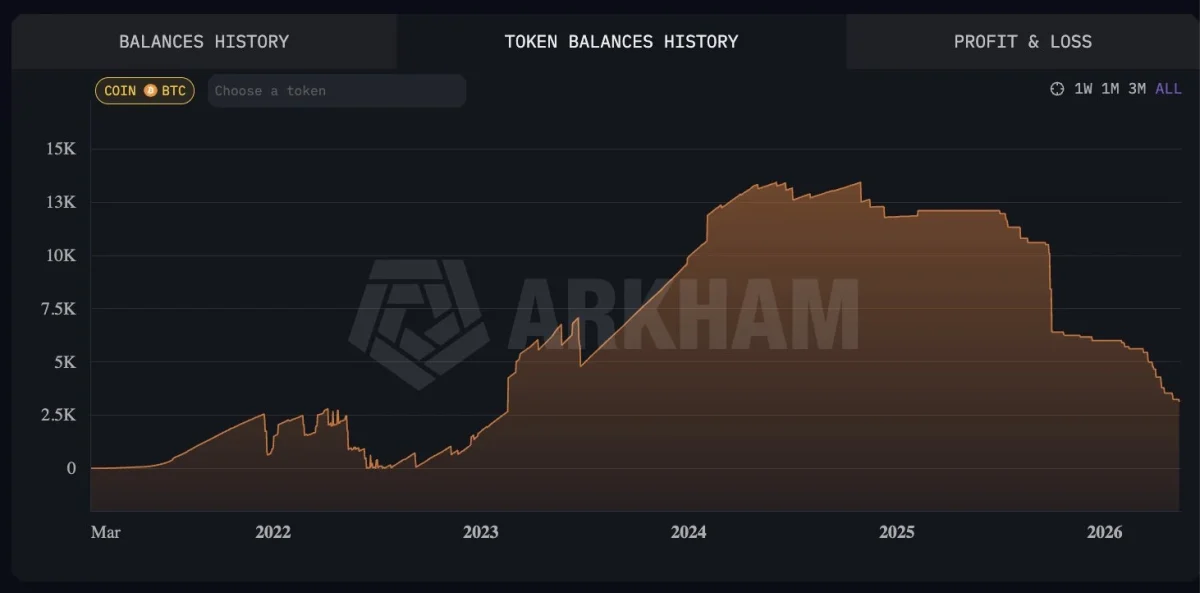
Source: Arkham
According to Arkham, Bhutan has been selling approximately $50 million worth of BTC every month since the beginning of the year. Visual balance charts shared by Arkham also show Bhutan’s holdings sharply declining from peak levels above 13,000 BTC during 2024 and 2025.
Bhutan’s Bitcoin Mining Strategy
Unlike many governments, Bhutan did not build its Bitcoin holdings through direct market purchases. Instead, the country quietly accumulated BTC through state-backed mining operations powered by hydropower energy.
That strategy gave Bhutan several advantages:
- Low-cost renewable electricity
- Long-term accumulation during lower BTC prices
- Reduced direct exposure to market buying pressure
Over time, the country built one of the largest sovereign Bitcoin reserves globally. Now, the strategy appears to be shifting from accumulation toward monetization. If Bhutan exits its entire remaining position at current prices, Arkham estimates the country could realize roughly $767 million in total on-chain profit.
What Bhutan’s Selling Means for Bitcoin Markets
The latest Bitcoin News Today reflects a broader evolution in how governments approach digital assets. Bhutan is no longer simply holding Bitcoin as a strategic reserve. It is actively managing and reducing exposure based on market conditions. For investors, the pace of selling matters. Sovereign Bitcoin liquidations can create steady supply pressure, especially during periods of weaker market liquidity.
However, Bhutan’s strategy differs sharply from countries like El Salvador. Which continues publicly accumulating Bitcoin as part of national financial policy. Bhutan’s approach looks more tactical and treasury-focused. The country mined BTC at relatively low costs and now appears to be converting part of those holdings into realized gains.
Bhutan Could Exit BTC by September
At the current rate of roughly $50 million in monthly sales, Bhutan’s remaining 3,100+ BTC could disappear from government wallets within months. That timeline would mark one of the most significant sovereign Bitcoin liquidations seen so far. Still, the bigger story may not be the selling itself. Bhutan has already demonstrated that a nation-state can successfully mine, accumulate, and profit from Bitcoin at scale using renewable energy infrastructure. Now, its gradual exit strategy is becoming another important case study in how governments may eventually manage crypto reserves in the future.
The post Bhutan Dumps More Bitcoin as Its $252M BTC Reserve Shrinks appeared first on Coinfomania.


You May Also Like

SoftBank (SFTBY) Stock; Ticks Down After $457M AI Chip Bet on Graphcore Announcement

JPMorgan Launches Second Ethereum-Based Fund to Support Stablecoin Industry