

How New Brazilian Forex Rules Could Shake Up Crypto Operations
The Central Bank of Brazil (BCB) is making major reforms to the country’s foreign exchange (forex) system, as described in Law No. 14,286/2021. Although the changes mainly focus on electronic forex (eFX) platforms, they could also have a significant impact on crypto operations.
Under the proposals, only authorized institutions will be able to offer eFX services. This means crypto exchanges handling international payments may soon need to obtain specific licenses, meet stricter compliance standards, and disclose full transaction costs to customers.
The new rules require all operators to display the Total Effective Value (VET) of each transaction, a measure aimed at boosting transparency and consumer protection.
Stablecoins and International Transfers Affected by New Brazilian Forex Rules
Widely used in Brazil to hedge against inflation and facilitate cross-border payments, stablecoins are likely to face increased regulatory oversight under the new framework. Regulators are considering measures that would limit international transfers via crypto to $10,000 per transaction.
Such restrictions could reduce the utility of dollar-pegged stablecoins like USDT for larger investors seeking to transfer capital abroad. Officials argue that these measures are necessary to reduce the risks of money laundering and capital flight, but critics warn that they may drive some activity toward unregulated platforms.
Will the New Rules Improve Crypto Security
Although the reforms aim to streamline forex processes and incorporate crypto into Brazil’s regulated financial system, they also increase reporting requirements.
Exchanges and brokers will be required to submit detailed client and transaction data to the central bank. Integration with systems like Pix, Brazil’s instant payment network, indicates regulators want crypto to be more closely connected to traditional finance.
For traders who previously viewed crypto as a way to bypass forex controls, these changes may mean less privacy and tighter regulation. However, analysts suggest the BCB is walking a delicate line, seeking to attract investment and improve market integrity without stifling innovation.
How the final rules are carried out will determine whether Brazil sets a standard for balanced crypto regulation and adoption in Latin America or risks pushing businesses toward more permissive markets.
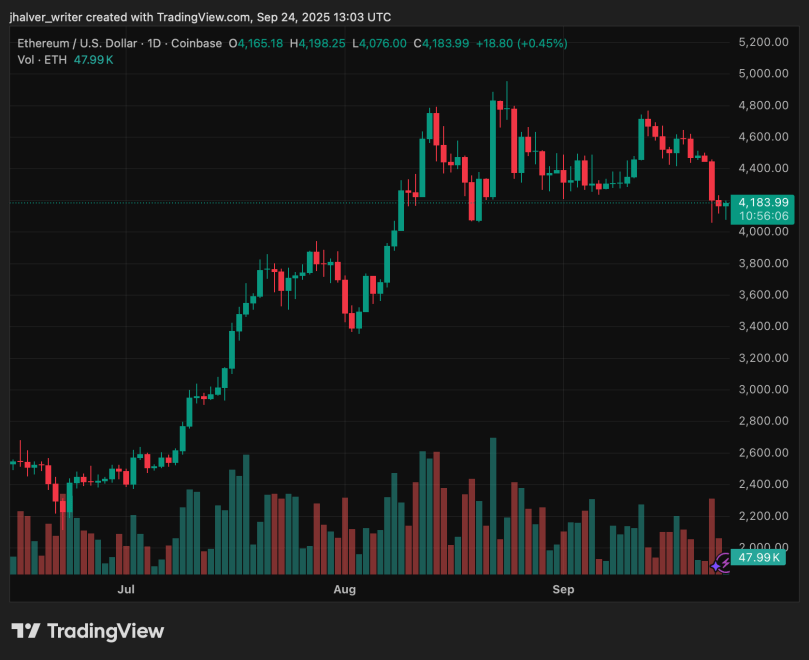
Cover image from ChatGPT, BTCUSD chart from Tradingview
You May Also Like

Your Gateway To The Next Promising Altcoin

Wormhole token soars following tokenomics overhaul, W reserve launch
Wormhole’s native token has had a tough time since launch, debuting at $1.66 before dropping significantly despite the general crypto market’s bull cycle. Wormhole, an interoperability protocol facilitating asset transfers between blockchains, announced updated tokenomics to its native Wormhole (W) token, including a token reserve and more yield for stakers. The changes could affect the protocol’s governance, as staked Wormhole tokens allocate voting power to delegates.According to a Wednesday announcement, three main changes are coming to the Wormhole token: a W reserve funded with protocol fees and revenue, a 4% base yield for staking with higher rewards for active ecosystem participants, and a change from bulk unlocks to biweekly unlocks.“The goal of Wormhole Contributors is to significantly expand the asset transfer and messaging volume that Wormhole facilitates over the next 1-2 years,” the protocol said. According to Wormhole, more tokens will be locked as adoption takes place and revenue filters back to the company.Read more
