

BTR Price Surge Explodes 300%: What Drove It?
Overview
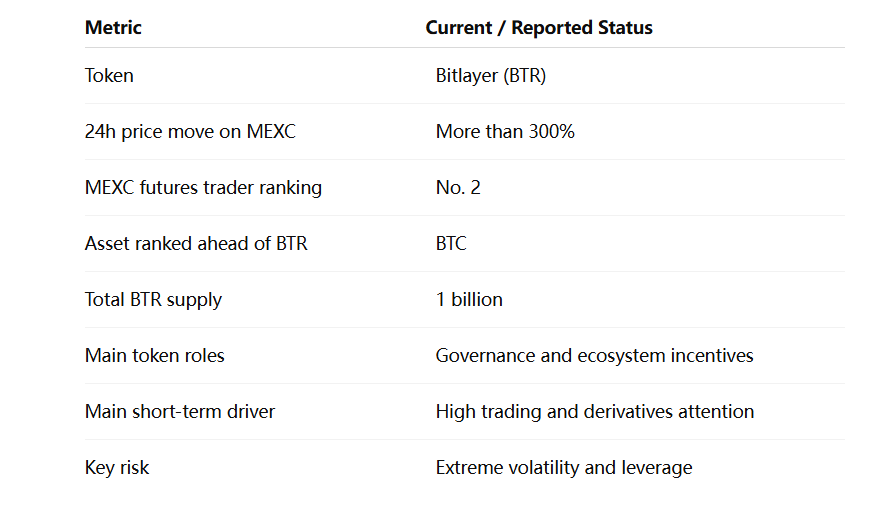
The BTR price surge has pushed Bitlayer into the center of crypto trading activity after the token gained more than 300% over a 24-hour window on MEXC. According to platform data, BTR also ranked second in the number of futures traders during the same period, behind only BTC. The combination of a vertical price move and unusually strong derivatives participation has made BTR one of the market’s most closely watched short-term assets.
The rally is significant, but the numbers require careful interpretation. A 300% move recorded on one platform does not necessarily mean every exchange showed the same percentage increase, and high futures participation does not prove that the rally is supported entirely by new long-term spot demand. Momentum trading, short covering, limited liquidity and rapidly expanding derivatives interest can all amplify price swings.
Bitlayer itself has a broader fundamental story. The project is building Bitcoin-focused infrastructure, with BTR serving as its ecosystem and governance token. The next question is whether the BTR price surge can translate into sustained demand for Bitlayer products, users and liquidity rather than remaining primarily a trading-driven event.
Key Takeaways
- BTR gained more than 300% over a 24-hour window on MEXC.
- BTR ranked No. 2 by futures trader count on MEXC, behind only BTC.
- The move may reflect a mix of spot demand, momentum trading and derivatives activity.
- Bitlayer’s long-term valuation depends more on network adoption than short-term trading volume.
- High volatility, leverage and token-supply dynamics remain the main risks after such a sharp rally.
Why Did the BTR Price Surge More Than 300%?
How Large Was the BTR Move?
The BTR price surge exceeded 300% within a 24-hour window on MEXC, marking one of the strongest short-term moves among actively traded crypto assets during the period.
That magnitude immediately attracts two types of participants: momentum traders looking for continuation and short sellers attempting to fade the rally. When both groups become active at the same time, market volatility can accelerate.
However, percentage gains can differ across exchanges because crypto markets do not share one single global order book. Prices, liquidity depth and the timing of daily resets vary by platform.
For that reason, the most accurate description is that BTR rose more than 300% on MEXC during the cited 24-hour period rather than saying the entire global BTR market moved by exactly the same amount.
The difference matters for professional market analysis because it separates a verifiable platform statistic from a broader claim that may use a different measurement window.
Did Futures Trading Amplify the Rally?
Futures activity may have amplified the move, although high trader participation alone does not prove that leverage caused the rally.
According to MEXC platform data, BTR ranked second in the number of futures traders over the past 24 hours, behind only BTC. That is unusually strong engagement for a smaller-cap token.
Derivatives can accelerate price movement through several mechanisms.
Traders may open leveraged long positions as momentum builds. Short sellers may also enter after a rapid increase, creating the possibility of forced short covering if prices continue higher. At the same time, arbitrage traders can move between spot and futures markets as basis and funding conditions change.
The important distinction is between participation and causation.
A high number of futures traders confirms that BTR became a major trading focus. It does not by itself establish whether the move was driven by short liquidations, new long exposure or spot demand.
What Is Bitlayer and What Is BTR Used For?
What Is Bitlayer?
Bitlayer is building infrastructure designed to expand Bitcoin’s use beyond passive asset ownership.
Its broader objective is to bring more programmable financial applications to the Bitcoin ecosystem while retaining a connection to Bitcoin-native security and liquidity.
That puts Bitlayer within the wider Bitcoin DeFi narrative, where developers are attempting to make BTC and Bitcoin-linked assets more useful in lending, trading, bridging and other onchain applications.
The market opportunity is significant because Bitcoin remains the largest crypto asset by market capitalization, yet historically has supported fewer application-layer financial products than Ethereum-style ecosystems.
Bitlayer’s long-term relevance therefore depends on whether it can attract actual liquidity and developer activity rather than simply benefiting from the popularity of the Bitcoin brand.
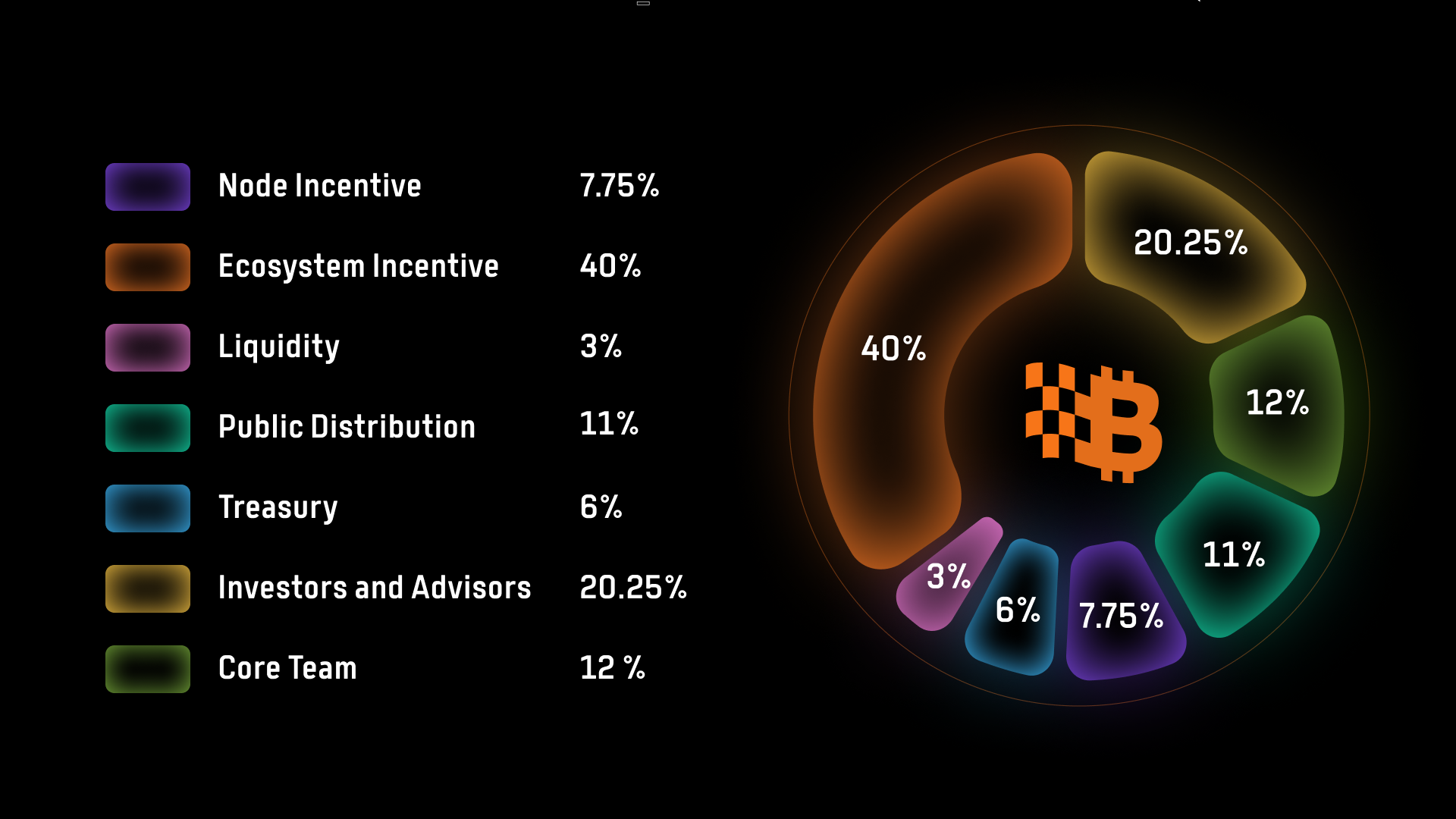
What Role Does BTR Play?
BTR is the native ecosystem and governance token associated with Bitlayer.
Its total supply is 1 billion BTR.
The token is designed to support governance and ecosystem incentives, which can include encouraging participation across Bitlayer-related applications and infrastructure.
This gives BTR a defined role, but token utility should not be confused with guaranteed token appreciation.
For the BTR price surge to evolve into a stronger fundamental investment narrative, investors would need to see the Bitlayer ecosystem itself grow.
Relevant evidence could include more active users, greater bridge activity, deeper liquidity, rising TVL, higher application usage and sustained developer deployment.
Without those signals, short-term token trading can move far faster than underlying network adoption.
BTR Market Snapshot
Is the BTR Price Surge Supported by Fundamentals?
Does Bitlayer Usage Explain a 300% Move?
Not by itself.
A network can have a credible technical roadmap while its token still experiences price movements that are primarily driven by market structure.
A 300% increase over a short period is too large to attribute automatically to gradual improvements in governance utility or ecosystem development.
Markets frequently price future expectations before fundamentals are fully visible.
That can be rational if investors believe a project is entering a higher-growth phase, but it can also create valuation gaps if adoption does not keep pace.
The stronger case for BTR would emerge if trading activity is followed by sustained increases in Bitlayer usage.
That would indicate that market attention is translating into economic activity rather than disappearing when price momentum fades.
Which Bitlayer Metrics Matter Next?
Several metrics are more important than another short-term price spike.
First is total value locked across Bitlayer applications. Rising TVL can show that capital is being committed to the ecosystem rather than merely trading the token.
Second is bridge and Bitcoin-related asset activity. If Bitlayer is successful in bringing BTC liquidity into programmable applications, transaction and bridge statistics should reflect that.
Third is active users.
A growing user base provides stronger evidence of product-market fit than social engagement alone.
Fourth is developer activity. New protocols and applications increase the number of reasons users might need to interact with the ecosystem.
Finally, investors should monitor whether BTR itself is used meaningfully in governance and ecosystem incentives.
What Are the Biggest Risks After the BTR Price Surge?
Why Does Liquidity Matter After a 300% Rally?
Liquidity determines how easily traders can enter or exit without moving the price dramatically.
Smaller tokens can rise very quickly when buy orders overwhelm available sell-side liquidity.
The same mechanism can operate in reverse.
If early buyers begin taking profits and order-book depth is limited, prices can fall faster than investors expect.
This means the BTR price surge should be analyzed together with trading depth rather than percentage gains alone.
A large volume number can look reassuring, but investors should also examine how much capital is available close to the current market price.
Thin books can produce significant slippage during periods of stress.
Could Leverage Increase Downside Risk?
Yes.
Leverage can strengthen an upward move when traders are profitable, but it also introduces liquidation risk.
If too many traders open leveraged long positions after a major rally, even a moderate price decline can trigger forced selling.
That can create the opposite of a short squeeze.
A falling market begins liquidating long positions, those liquidations add further sell pressure, and the decline accelerates.
Funding rates, open interest and liquidation data are therefore important indicators after a large move.
The healthier structure would be a rally increasingly supported by spot demand while leverage remains controlled.
Why Does Token Supply Matter?
Investors also need to monitor the difference between total supply and circulating supply.
Bitlayer has a total supply of 1 billion BTR, but not every token necessarily circulates at the same time.
Future unlocks can increase tradable supply.
If new supply enters the market faster than demand grows, it can create selling pressure even if ecosystem fundamentals improve.
Token vesting schedules therefore matter particularly after large rallies because higher prices increase the value of previously locked allocations.
Can the BTR Rally Continue?
What Would Make the Move More Sustainable?
The strongest confirmation would be a shift from speculative attention to network demand.
That could include higher Bitlayer TVL, increasing Bitcoin liquidity on the network, growing application activity and more users interacting with Bitlayer products.
Spot-market participation would also matter.
A rally supported by consistent spot purchases is generally structurally different from one dominated by highly leveraged derivatives positioning.
The BTR price surge could therefore mark the beginning of a broader repricing, but the market still needs evidence that usage is expanding at the same time.
What Could Trigger a Reversal?
Several factors could reverse the move.
Profit-taking is the most obvious risk after a 300% increase.
A rapid decline in derivatives interest could also reduce momentum.
Token unlock expectations, weakening Bitcoin market sentiment or a broader crypto selloff could add pressure.
Finally, if Bitlayer ecosystem metrics fail to improve after the token receives significant attention, traders may conclude that the price moved faster than fundamentals.
This is why short-term performance should not be extrapolated into a guaranteed trend.
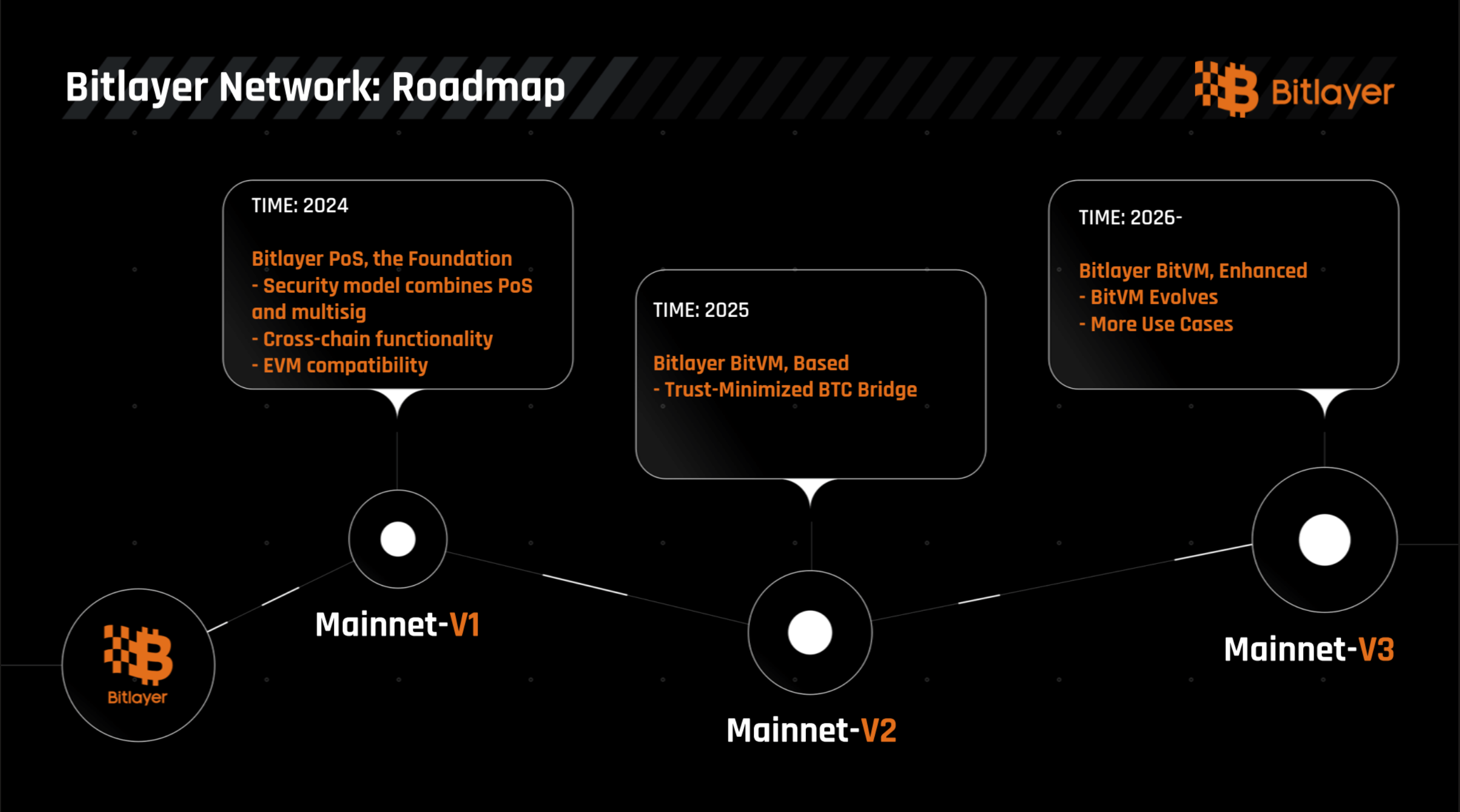
BTR's Next Test Is Whether Trading Hype Becomes Demand
The BTR price surge has successfully pushed Bitlayer into the market spotlight. A gain of more than 300% within a 24-hour MEXC trading window and the No. 2 ranking in futures trader participation, behind only BTC, demonstrate exceptional short-term attention.
But price discovery after a vertical rally becomes increasingly difficult.
Derivatives activity can magnify demand, while shallow liquidity and forced position closures can cause prices to move much faster than ecosystem fundamentals.
That does not make the Bitlayer story irrelevant. It makes the next phase more important.
BTR has a defined role as Bitlayer’s ecosystem and governance token, while Bitlayer is targeting the broader opportunity around Bitcoin-based applications and liquidity.
The strongest confirmation would come if the current trading wave is followed by higher TVL, deeper Bitcoin liquidity, stronger developer participation and sustained user activity.
If those fundamentals improve, the BTR price surge may eventually be viewed as an early repricing of a growing ecosystem.
If trading activity fades without corresponding network growth, the 300% move will look much more like a liquidity and momentum event.
For traders and investors, the next signal should therefore come from usage—not another percentage headline.
Risk Disclaimer: This article is for reference only and does not constitute investment advice. The cryptocurrency market is highly volatile. Please make decisions cautiously based on your individual circumstances.


You May Also Like

Hong Kong Solana ETF: Can SOL Follow Bitcoin's Path?

Why Is ZEC Rising? Zcash Rebounds as Quantum-Security Narrative Gains Attention
