Tháng 11 này, mọi sự chú ý sẽ đổ dồn vào cổ phiếu NVIDIA khi công ty công bố báo [...] The post Phân tích cổ phiếu NVIDIA: Bán tháo của các tổ chức, dự đoán thu nhập quý 3 và triển vọng tăng trưởng trong tương lai appeared first on VNECONOMICS.Tháng 11 này, mọi sự chú ý sẽ đổ dồn vào cổ phiếu NVIDIA khi công ty công bố báo [...] The post Phân tích cổ phiếu NVIDIA: Bán tháo của các tổ chức, dự đoán thu nhập quý 3 và triển vọng tăng trưởng trong tương lai appeared first on VNECONOMICS.

Phân tích cổ phiếu NVIDIA: Bán tháo của các tổ chức, dự đoán thu nhập quý 3 và triển vọng tăng trưởng trong tương lai

2025/12/03 20:17

Tháng 11 này, mọi sự chú ý sẽ đổ dồn vào cổ phiếu NVIDIA khi công ty công bố báo cáo thu nhập quý 3 rất được mong đợi. Trong nhiều tháng, NVIDIA đã trở thành ngôi sao của làn sóng đầu tư vào AI, với giá cổ phiếu và giá trị thị trường liên tục phá kỷ lục. Nhưng khi ngày công bố thu nhập đến gần, tâm lý trên thị trường trở nên kém chắc chắn hơn nhiều. Trong khi nhiều nhà phân tích vẫn dự đoán những con số ấn tượng và sự tăng trưởng liên tục, một số cổ đông tổ chức lớn nhất của NVIDIA đang âm thầm rút vốn. Bài viết này cung cấp phân tích đầy đủ về các số liệu thu nhập chính, động thái gần đây của các nhà đầu tư lớn, rủi ro tiềm ẩn và các yếu tố định hình triển vọng tương lai của cổ phiếu NVIDIA.

Báo cáo thu nhập quý 3 của NVIDIA: Nhà đầu tư nên chú ý điều gì?

Báo cáo thu nhập quý 3 của cổ phiếu NVIDIA rất quan trọng vì nhiều lý do, khi cả thị trường và các nhà phân tích đều tập trung vào các lĩnh vực sau:

  • Dự kiến tăng trưởng trung tâm dữ liệu kỷ lục: Bộ phận Trung tâm dữ liệu của NVIDIA tiếp tục mang lại hiệu suất vượt trội, nhờ nhu cầu AI không ngừng tăng cao.
  • Ước tính thu nhập và doanh thu: FactSet dự đoán cổ phiếu NVIDIA sẽ đạt EPS điều chỉnh là $1,23 và doanh thu là 54,83 tỷ USD.
  • Hy vọng hướng dẫn tích cực: Các nhà phân tích tin rằng cổ phiếu NVIDIA sẽ được hưởng lợi từ lượng tồn đọng và khả năng sản xuất mạnh mẽ, đặc biệt là với các chip hàng đầu sắp ra mắt như dòng Blackwell và Vera Rubin.
  • Biến động cung cầu: Các nhà cung cấp như Quanta dự kiến sẽ tiếp tục hạn chế nguồn cung và nhu cầu đặt hàng đến năm 2027, làm nổi bật nhu cầu về máy chủ AI hỗ trợ cổ phiếu NVIDIA trong nhiều năm tới.

Tuy nhiên, điều quan trọng cần lưu ý là bất chấp những yếu tố cơ bản vững chắc này, làn sóng bán ra của các tổ chức đã đặt ra câu hỏi về triển vọng tăng giá ngắn hạn cũng như rủi ro của cổ phiếu NVIDIA.

Bán tháo của các tổ chức: Từ Peter Thiel đến Bridgewater và SoftBank

Danh mục đầu tư lớn biến động giữa định giá lịch sử

  • Thiel Macro LLC của Peter Thiel: Trong quý 3, quỹ đầu tư tỷ phú này đã thanh lý toàn bộ 537.742 cổ phiếu NVIDIA, chiếm khoảng 40% danh mục đầu tư trước đó của quỹ. Đồng thời, công ty này đã cắt giảm tổng lượng nắm giữ cổ phiếu Hoa Kỳ xuống hai phần ba, từ 212 triệu USD xuống còn 74 triệu USD và phân bổ lại vốn vào Microsoft và Apple. Thiel cũng đã bán toàn bộ cổ phần của quỹ tại Vistra Energy và giảm 76% tỷ lệ đầu tư vào Tesla.
  • Bridgewater Associates: Quỹ đầu cơ lớn nhất thế giới do Ray Dalio dẫn dắt đã cắt giảm 65% lượng nắm giữ cổ phiếu NVIDIA. Điều này diễn ra ngay sau khi Bridgewater tăng đáng kể vị thế NVDA trong Quý 2, minh họa cho sự chuyển hướng chiến lược mạnh mẽ từ việc chạy theo đà tăng trưởng sang quản lý rủi ro rõ ràng.
  • SoftBank: Công bố kế hoạch rút lui hoàn toàn khỏi NVIDIA, tiếp tục xu hướng rút khỏi lĩnh vực AI.
  • Những đợt bán này diễn ra ngay khi vốn hóa thị trường của NVIDIA vượt ngưỡng 5 nghìn tỷ USD – một mức tượng trưng mà một số người so sánh với sự quá mức từng thấy ở thời kỳ đỉnh cao của bong bóng ngành.

Vì sao lại đột ngột thay đổi như vậy?

Dù các quỹ này thừa nhận vị thế dẫn đầu của NVIDIA trong lĩnh vực chip và phần cứng AI, nhưng hành động của họ cho thấy mối lo ngại ngày càng gia tăng về rủi ro định giá, mức độ tập trung thị trường và tính bền vững của “cơn sốt” AI hiện tại – tất cả diễn ra trong bối cảnh bất ổn kinh tế vĩ mô và địa chính trị ngày càng gia tăng.

Liệu vẫn còn sự tăng trưởng ở phía trước? Nhu cầu cơ bản vẫn mạnh mẽ đối với cổ phiếu NVIDIA

Dù có những dấu hiệu cho thấy bong bóng AI tiềm ẩn, nhu cầu thúc đẩy cổ phiếu NVIDIA vẫn tiếp tục mạnh mẽ:

  • Nhu cầu chưa từng có về Trung tâm dữ liệu và AI: Theo Morgan Stanley, nhu cầu của khách hàng đối với các sản phẩm liên quan đến cổ phiếu NVIDIA trong quý 3 đã vượt các dự báo tích cực, với chi phí vốn của các công ty siêu quy mô vào năm 2026 hiện được dự báo là 1,42 nghìn tỷ USD – tăng 60% chỉ trong một quý.
  • Sự bùng nổ của máy chủ AI đến năm 2027: Các nhà cung cấp như Quanta dự đoán sản lượng máy chủ AI sẽ tăng gấp đôi, xác nhận rằng nhu cầu về cổ phiếu NVIDIA sẽ kéo dài đến tận năm 2027.
  • Ra mắt chip mới: Việc triển khai dòng Blackwell dự kiến sẽ thúc đẩy tăng trưởng liên tục hơn nữa, củng cố vị thế dẫn đầu của cổ phiếu NVIDIA trong lĩnh vực phần cứng AI.
  • Mục tiêu của nhà phân tích được điều chỉnh tăng: Morgan Stanley hiện đưa ra mức doanh thu là 298,5 tỷ USD cho năm tài chính 2027 và EPS không theo GAAP là $7,11. Mục tiêu giá cho cổ phiếu NVIDIA hiện dao động từ $215 đến $250, dựa trên tỷ lệ giá so với thu nhập dự kiến là 25-26 lần cho năm 2027, thấp hơn một chút so với mức trung bình hai năm trước nhưng phản ánh mức tăng trưởng vừa phải nhưng mạnh mẽ.

Các nhà phân tích và người trong cuộc thực sự nói gì?

Bất chấp sự thoái vốn rầm rộ, giới đầu tư Phố Wall vẫn lạc quan về triển vọng của cổ phiếu NVIDIA:

  • A. Davidson: Lặp lại xếp hạng mua với mục tiêu giá 250 USD. Nhà phân tích Gil Luria báo cáo không có dấu hiệu nào cho thấy nhu cầu đối với các sản phẩm chứng khoán NVIDIA từ các nhà cung cấp đám mây siêu lớn hoặc các nhà đổi mới AI đang suy yếu.
  • JP Morgan: Duy trì xếp hạng tăng giá và mục tiêu 215 USD cho cổ phiếu NVIDIA, nhấn mạnh rằng những bất ngờ có thể xảy ra một lần nữa phụ thuộc vào khả năng mở rộng chuỗi cung ứng hơn nữa của NVIDIA.
  • Đánh giá điều chỉnh theo rủi ro: Ngay cả khi tiền của các tổ chức giảm bớt đầu tư vào cổ phiếu NVIDIA, giá mục tiêu vẫn giả định mức tăng trưởng cao hơn mức trung bình so với các công ty cùng ngành bán dẫn.

Số tiền lớn đang chuyển đi đâu sau khi bán cổ phiếu NVIDIA?

Đáng chú ý là các nhà đầu tư tổ chức lớn không hoàn toàn rời bỏ lĩnh vực công nghệ. Thay vào đó, có xu hướng chuyển hướng từ những tên tuổi có giá trị cao sang những gã khổng lồ đa dạng hơn, tập trung vào nền tảng:

  • Thiel Macro LLC: Sau khi bán cổ phiếu NVIDIA, quỹ của Thiel đã mở các vị thế mới lớn tại Microsoft (49.000 cổ phiếu) và Apple (79.181 cổ phiếu) trong khi giảm lượng cổ phiếu Tesla được nắm giữ. Điều này chỉ ra chiến lược ưu tiên dòng tiền ổn định, dẫn đầu về công nghệ đám mây và đa dạng hóa hoạt động kinh doanh trong thời kỳ bất ổn.
  • Bridgewater: Được thêm vào các quỹ ETF cổ phiếu Hoa Kỳ rộng lớn và cắt giảm các thị trường mới nổi, phản ánh sự chuyển dịch sang các khoản đầu tư an toàn hơn, thanh khoản hơn sau khi thoái vốn khỏi cổ phiếu NVIDIA.

Bong bóng AI hay sự đổi mới dài hạn? Điều gì tiếp theo cho cổ phiếu NVIDIA

Sự tăng trưởng chóng mặt của cổ phiếu NVIDIA và vị thế thống lĩnh trên các chỉ số thị trường Hoa Kỳ gợi lại những cơn sốt tài chính trước đây. Tuy nhiên, không giống chu kỳ trước, mức tăng trưởng thu nhập của NVIDIA dựa trên nhu cầu thực tế về phần cứng AI. Tuy nhiên, các nhà đầu tư và những người dẫn đầu trong ngành—bao gồm Jeff Bezos, David Solomon của Goldman Sachs và James Anderson—đã cảnh báo về rủi ro của sự phấn khích quá mức đối với các cổ phiếu liên quan đến AI.

Khi NVIDIA chuẩn bị báo cáo hiệu suất kỷ lục, kết quả quý 3 của công ty có thể quyết định liệu các nhà phân tích lạc quan hay các quỹ đầu tư thận trọng đang đọc thị trường chính xác hơn.

Kết luận: Cổ phiếu NVIDIA có còn đáng mua không?

Khi cổ phiếu NVIDIA tiến gần đến một cột mốc thu nhập quan trọng khác, tín hiệu từ các nhà đầu tư tổ chức lại trái chiều: các yếu tố cơ bản có vẻ mạnh mẽ, nhưng quá trình đánh giá lại rủi ro một cách thận trọng đang được tiến hành. Trong khi các nhà phân tích vẫn lạc quan, việc bán tháo mạnh của các quỹ đầu tư lớn báo hiệu sự thận trọng khi theo đuổi cổ phiếu NVIDIA ở mức cao nhất mọi thời đại.

Hiện tại, cổ phiếu NVIDIA vẫn là tâm điểm của cuộc tranh luận trên thị trường – một công ty có tốc độ tăng trưởng và đổi mới vượt trội, nhưng đang phải đối mặt với sự giám sát ngày càng chặt chẽ với mức định giá rất cao hiện nay.

Tìm hiểu thêm tại bitget.com

The post Phân tích cổ phiếu NVIDIA: Bán tháo của các tổ chức, dự đoán thu nhập quý 3 và triển vọng tăng trưởng trong tương lai appeared first on VNECONOMICS.

Disclaimer: The articles reposted on this site are sourced from public platforms and are provided for informational purposes only. They do not necessarily reflect the views of MEXC. All rights remain with the original authors. If you believe any content infringes on third-party rights, please contact [email protected] for removal. MEXC makes no guarantees regarding the accuracy, completeness, or timeliness of the content and is not responsible for any actions taken based on the information provided. The content does not constitute financial, legal, or other professional advice, nor should it be considered a recommendation or endorsement by MEXC.

You May Also Like

Shocking Departure: Sol Strategies CEO Leah Wald Steps Down, What’s Next for SOL?

Shocking Departure: Sol Strategies CEO Leah Wald Steps Down, What’s Next for SOL?

BitcoinWorld Shocking Departure: Sol Strategies CEO Leah Wald Steps Down, What’s Next for SOL? The cryptocurrency world is abuzz with recent news concerning Sol Strategies, a prominent firm known for its strategic investments in SOL. Leah Wald, the firm’s highly regarded Sol Strategies CEO, has officially resigned from her position. This significant leadership change, initially reported by The Block, marks a pivotal moment for the company and its substantial holdings in the Solana ecosystem. Understanding the Shift: Who is the Sol Strategies CEO? Leah Wald has been a recognizable figure in the crypto investment landscape, leading Sol Strategies with a focus on strategic placements within the Solana ecosystem. Her leadership helped guide the firm’s investment approach, particularly concerning SOL, Solana’s native cryptocurrency. Sol Strategies has been instrumental in facilitating strategic investments. The firm holds a significant amount of SOL, approximately 390,000 tokens. Wald’s departure leaves a notable void in the company’s executive structure. This kind of executive transition is not uncommon in the fast-paced tech and crypto sectors, but it always prompts questions about future direction and stability. What Does This Mean for Sol Strategies and Its SOL Holdings? With Leah Wald’s resignation, attention immediately turns to the interim leadership and the strategic direction of Sol Strategies. Michael Hubbard, the Chief Strategy Officer, is stepping into the role of interim Sol Strategies CEO. This ensures continuity in leadership, which is crucial during such transitions. The firm’s substantial holding of 390,000 SOL is a key point of interest. The management of these assets under new leadership will be closely watched by investors and the broader crypto community. Interim Leadership: Michael Hubbard’s appointment aims to maintain operational stability. Asset Management: The future strategy for the 390,000 SOL holdings is paramount. Market Perception: Investor confidence often hinges on stable and clear leadership. A smooth transition is vital to mitigate any potential market volatility or uncertainty surrounding the firm’s assets and future initiatives. Navigating Leadership Transitions: Challenges and Opportunities for Sol Strategies Leadership changes, especially at the CEO level, present both challenges and opportunities. For Sol Strategies, the immediate challenge lies in reassuring stakeholders and maintaining its strategic focus without its former Sol Strategies CEO. However, it also opens doors for fresh perspectives and potentially new strategies. A new leader can bring a different vision, which might invigorate the firm’s investment strategies or operational efficiency. This period often involves: Strategic Review: A chance to re-evaluate existing investment theses. Team Reorganization: Potential shifts in team dynamics and responsibilities. Communication: Clear and consistent communication with investors is essential to build trust. The market will be looking for clear signals from Sol Strategies regarding its plans for the future and how it intends to leverage its significant SOL holdings. The Future Outlook: What’s Next for the Sol Strategies CEO and Firm? As Michael Hubbard takes the helm as interim Sol Strategies CEO, the crypto community will be observing how the firm adapts and evolves. The Solana ecosystem continues to grow, and Sol Strategies’ role within it remains significant. The firm’s ability to navigate this transition effectively will largely determine its trajectory in the coming months. The focus will likely be on maintaining stability, protecting the value of its SOL holdings, and exploring new opportunities within the decentralized finance (DeFi) and broader Web3 spaces. Investors should stay informed about any official announcements from Sol Strategies regarding its long-term leadership and strategic initiatives. This leadership shift at Sol Strategies is a reminder of the dynamic nature of the cryptocurrency industry. While Leah Wald’s departure marks the end of an era, it also signals the beginning of a new chapter under Michael Hubbard’s interim leadership. The strategic management of its substantial SOL holdings will be key to Sol Strategies’ continued success and influence in the market. Frequently Asked Questions (FAQs) 1. Who is Leah Wald? Leah Wald was the CEO of Sol Strategies, a firm known for leading strategic investments, particularly in SOL, the native cryptocurrency of the Solana blockchain. 2. Who is the new interim Sol Strategies CEO? Michael Hubbard, who previously served as the Chief Strategy Officer, has been appointed as the interim CEO of Sol Strategies following Leah Wald’s resignation. 3. How much SOL does Sol Strategies hold? Sol Strategies holds approximately 390,000 SOL, which represents a significant investment in the Solana ecosystem. 4. What does this leadership change mean for Solana (SOL) investors? While a leadership change at an investment firm like Sol Strategies is notable, the direct impact on the broader Solana market may be limited. However, investors should monitor any strategic shifts announced by Sol Strategies regarding their SOL holdings. 5. Where was this news first reported? The news of Leah Wald’s resignation as Sol Strategies CEO was initially reported by The Block, a reputable cryptocurrency news publication. Did you find this article insightful? Share it with your network and help them stay informed about the latest developments in the crypto world! To learn more about the latest crypto market trends, explore our article on key developments shaping Solana price action. This post Shocking Departure: Sol Strategies CEO Leah Wald Steps Down, What’s Next for SOL? first appeared on BitcoinWorld.
Share
Coinstats2025/09/23 03:25
XRP Near $2 as ETFs Smash $1B AUM — Institutional Money Quietly Takes Over
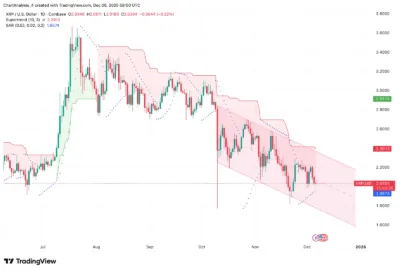
XRP Near $2 as ETFs Smash $1B AUM — Institutional Money Quietly Takes Over

XRP trades near $2.04 after climbing more than 12% in the last month, yet the token struggles to reclaim strong momentum. The asset slipped through the past week and lost close to 8% while traders weighed a rare combination of institutional strength and short-term weakness. With a market capitalization near $125 billion and daily volume above $3.3 billion, XRP keeps its position as one of the most liquid crypto assets. The market now watches the psychological $2 support level as heavy inflows clash ih rising short exposure and fading retail conviction.Sentiment Breakdown Creates a Contrarian SetupMarket sentiment around XRP sits inside one of the deepest fear zones since October. Santiment reports that sentiment prints the same level of panic that preceded a sharp twenty-two percent rebound on November 21. RSI sits near 45 and the SAR indicator keeps flipping into bearish territory. Source: XTraders feel trapped between disbelief and fatigue after a two-month decline of thirty-one percent. The present slide shows structural weakness rather than blind panic, which means any reversal must appear through rising volume and inflow recovery rather than pure emotion. Traders hunt for signs that shorts may reach exhaustion as they did during past rebounds.Institutions Accumulate While Retail Steps BackInstitutional appetite continues to grow even as retail traders exit. U.S. spot XRP ETFs attracted $906 million in net inflows since launch, with not a single day of outflows. The flagship XRPC ETF now holds $336 million, which places it above every competing fund.Franklin Templeton now lists XRP as a top-four holding in its regulated multi-asset crypto product. These flows form a clear divergence: Institutional portfolios build long-horizon positions while retail traders short the asset. The setup shows a market where deep pockets accumulate quietly below the surface, waiting for fear to drain out of the system.Ripple’s $4B Expansion Reshapes Global FinanceRipple pushed aggressively into global finance through a $4 billion acquisition wave across GTreasury, Rail, Palisade, and Ripple Prime. The company now holds strategic control over treasury management, liquidity services, payments, and institutional crypto infrastructure. Regulatory traction strengthens the expansion. Approvals in Singapore and the UAE, plus FSRA authorization of the RLUSD stablecoin, anchor Ripple inside the regulated payments ecosystem. Ripple also reached a major U.S. milestone when Bitnomial launched the first CFTC-approved XRP spot product. This move places XRP beside commodities such as Treasuries on a federally regulated exchange. Markets have not priced this transformation yet, leaving a wide gap between Ripple’s operational dominance and XRP’s market performance.On-Chain Data Reveals a Structural SplitThe XRP Ledger shows its highest transaction velocity of the year at 0.0324, marking strong network usage. Open interest climbed to $3.85 billion while funding rates stayed negative, which confirms heavy short positioning. A regional concentration also emerges: Upbit holds more than six billion XRP, far above Binance at 2.6 billion. The imbalance introduces the risk of region-based liquidation waves during volatility spikes. Liquidity remains deep and participation strong, yet direction stays capped by pressure from leveraged traders.Long-Term Holders Rotate as Whales Step InLong-term holder dormancy dropped ninety-one percent since mid-November, signaling that older coins rarely move. At the same time, cohorts that held XRP for six months to three years trimmed positions and locked in profits. Institutions absorbed much of that volume through ETF demand, which removed nearly half a percent of total supply from circulation as ETFs crossed one billion dollars in assets under management. Whales keep buying while early holders reduce exposure. This rotation delays any strong recovery but builds the foundation for a future supply squeeze once distribution slows.XRP now enters a rare moment where institutional strength outweighs retail fear, setting the stage for a potential shift once the market resolves its internal pressure.
Share
Coinstats2025/12/06 21:24
XRP Price Prediction for December 7: Sellers Continue to Dominate as Weak Momentum Persists

XRP Price Prediction for December 7: Sellers Continue to Dominate as Weak Momentum Persists

XRP struggles below $2.05, with bearish sentiment dominating market momentum. Weak spot inflows signal cautious sentiment as traders avoid aggressive positions. $2.00 support zone crucial; failure risks further declines towards $1.72. XRP’s price outlook for December 7 reveals ongoing weakness, as the cryptocurrency hovers near $2.03, continuing its downward trend since September. The failure to maintain any meaningful upward movement, coupled with consistent rejections at higher levels, has shifted the market bias firmly in favor of sellers. The token is now testing the critical $2.00 support zone, and if it fails to hold, further downside could be imminent. Also Read: Ethereum Price Prediction for November 9: Sellers Dominate as Weak Flows Persist Price Action and Key Technical Indicators XRP’s price action remains confined to a descending channel, with every rebound met with rejection at lower levels. The Supertrend indicator remains red, signaling ongoing bearish pressure, and the Parabolic SAR dots continue to sit above the price, reinforcing the dominance of sellers. Currently, the $2.00 level is a key support zone, but the inability to sustain a recovery above this level could lead to further losses, targeting $1.83 and $1.72. Source: Tradingview On the one-hour chart, XRP broke below a short-term ascending trendline, which had previously supported a minor recovery attempt. This has caused the price to consolidate beneath the trendline, keeping the bearish bias intact for the short term. Additionally, XRP remains within the lower half of the Bollinger Bands, indicating that downward pressure persists, with little sign of a sustained reversal. Market Sentiment and Data Reinforce Bearish Outlook Recent spot market data reveals weak flows, as $4.36 million in inflows were recorded in the latest session. However, these inflows seem more reactive than proactive, signaling a lack of strong accumulation interest and a market still wary of significant upside potential. Traders appear more focused on stabilizing the price rather than seeking aggressive bullish positions, indicating that sentiment remains fragile. Source: Coinglass In the derivatives market, open interest stands at $3.64 billion, showing a decline from recent highs. This drop, along with an 18% decrease in futures volume and a 60% collapse in options volume, underscores a lack of conviction in the market. Top traders remain predominantly net-long, but their reduced exposure further suggests a cautious approach in the current environment. XRP Price Forecast Looking ahead to December 7, the outlook remains largely bearish unless XRP can reclaim key resistance levels. A break above $2.15 and $2.39 would signal a potential shift in momentum, opening the door to higher targets such as $2.62 and $2.91. However, if the $2.00 support fails to hold, XRP is at risk of further declines towards $1.83 and $1.72. The technical indicators, spot flows, and derivatives data all point to continued bearish momentum for XRP. Sellers remain in control, and any recovery attempts are likely to face strong resistance. The next few sessions will be critical in determining whether the price can stabilize or if further downside is ahead. Also Read: Ethereum Classic (ETC) Price Prediction 2025–2029: Can ETC Hit $20 Soon? The post XRP Price Prediction for December 7: Sellers Continue to Dominate as Weak Momentum Persists appeared first on 36Crypto.
Share
Coinstats2025/12/06 21:06