Justin Sun Sues Trump-Linked Crypto Project
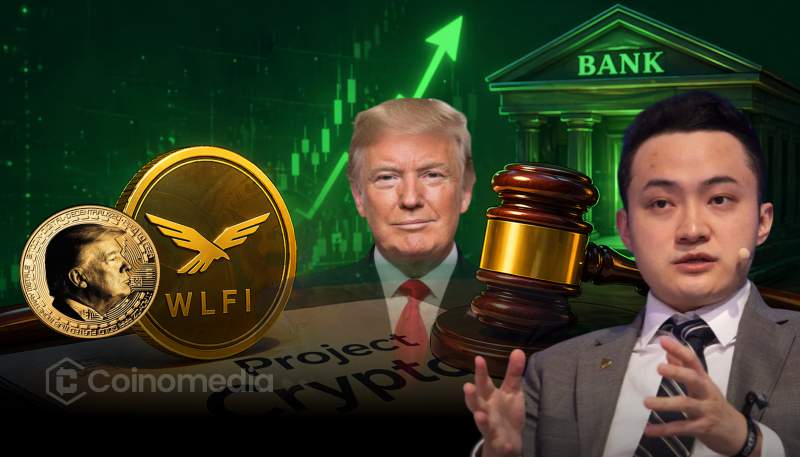
- Justin Sun accuses World Liberty Financial of freezing his tokens.
- Lawsuit claims loss of governance voting rights.
- Dispute raises concerns over crypto project transparency.
Legal Clash Shakes Crypto Community
A major dispute has emerged in the crypto space as Justin Sun, founder of TRON, has filed a lawsuit against World Liberty Financial, a crypto project reportedly linked to the family of Donald Trump. The case centers on serious allegations involving token control and governance rights.
Sun claims that the platform froze all of his tokens without justification. According to his statement, this action not only restricted access to his assets but also removed his ability to participate in governance decisions within the project.
Claims of Rights Violations and Threats
In his filing, Sun alleges that World Liberty Financial went further than just freezing assets. He states that the project stripped him of voting rights tied to his holdings—an essential feature in decentralized finance systems. Governance tokens typically allow holders to vote on protocol changes, making this claim particularly significant.
Even more concerning, Sun claims the project has threatened to permanently destroy his tokens. If proven true, such actions could raise serious legal and ethical questions about how centralized control is exercised within supposedly decentralized ecosystems.
Implications for Crypto Governance
This lawsuit highlights ongoing tensions in the crypto industry between decentralization and control. Projects often promise user autonomy, but disputes like this suggest that power can still be concentrated in the hands of a few.
Market observers say the outcome of this case could set an important precedent. If Sun’s claims hold up in court, it may push regulators and investors to demand greater transparency and accountability from crypto platforms.
For now, World Liberty Financial has not publicly responded in detail to the allegations. The case is expected to draw significant attention as it unfolds, given the high-profile individuals involved and the broader implications for digital asset governance.
Read Also:
- Eightco Holdings (NASDAQ: ORBS) Reports $336M Treasury: OpenAI, WLD, ETH and Cash Holdings
- Justin Sun Sues Trump-Linked Crypto Project
- 8 Best Cryptos for Beginners: APEMARS Ignites 1000x Meme Coin Hype with 2,060% ROI Opportunity
- ASTEROID Profit Turns $575 Into $1.17M
- Bitcoin Market Bottom May Be In, Says Grayscale


You May Also Like

SoFi Adds XRP Trading, Expands Crypto Access in U.S. Banking

REPORT | ~90% of 2025 Web3 Funding in Nigeria was Grant-Based