The United States could eventually let Nvidia sell its most powerful computer chips to Chinese companies, Treasury Secretary Scott Bessent said Tuesday. He also laid out a busy schedule of meetings between President Donald Trump and Chinese President Xi Jinping next year. Bessent called Nvidia’s Blackwell chips the “crown jewel” when he spoke to CNBC on Tuesday morning. But he said technology moves so fast that these chips could become less special pretty quickly. That might create an opening to sell them to China down the road. “If we think about the Blackwell now, they’re the crown jewel,” Bessent said. “What you’re describing is actually the pace that the technology is moving, not the pace that the negotiations are moving. So there may be a case down the road.” Asked about timing, Bessent wasn’t sure but threw out a timeframe. “I don’t know whether it’s 12 or 24 months,” he said. “Given the incredible innovation that goes on at Nvidia, where the Blackwell chips may be 2, 3, 4 down their chip stack in terms of efficacy, and at that point, they could be sold on.” Multiple high-level meetings planned Bessent also talked about what’s coming up between the two leaders. Trump and Xi could meet next year at a Group of 20 event in December 2026 at Trump’s golf resort in Doral, Florida. There’s also a possible meeting at an Asia Pacific Economic Cooperation conference in China in November. That’s on top of two state visits already in the works for next year. “I think we’re going to have two state visits next year,” Bessent told CNBC. “President Trump will be going to Beijing and Xi will be coming to the US. And they may also see each other at the G-20 in Doral and then the APEC conference in Shenzhen in November.” Bessent said things between Washington and Beijing are getting better. “The US-China relationship is on a much more even keel now,” he said. Tech giant navigates uncertain waters Huang gave more details when he talked to reporters Friday. Asked straight up whether Nvidia would sell AI accelerators from the Blackwell family, he said, “I don’t know. I hope so someday.” He mentioned that chip sales didn’t come up when he met with Ren Hongbin, who heads the China Council for the Promotion of International Trade. Blackwell is Nvidia’s latest batch of artificial intelligence semiconductors. It’s become a big topic in trade talks between the US and China. But selling these products wasn’t part of what Trump and Xi talked about this week. Trump made it clear that Nvidia and Chinese officials need to keep talking on their own about whether the $5 trillion company can get into the Asian market. This whole thing shows how tricky it is for American officials to handle technology exports while trying to keep economic ties with China going. The back-and-forth over semiconductor exports has made things complicated for both governments and tech companies trying to work within the rules. Chinese tech companies still want to buy Nvidia’s products even though governments on both sides are putting pressure on them. How chip sales get sorted out remains one of the biggest things people are watching in US-China relations. Want your project in front of crypto’s top minds? Feature it in our next industry report, where data meets impact.The United States could eventually let Nvidia sell its most powerful computer chips to Chinese companies, Treasury Secretary Scott Bessent said Tuesday. He also laid out a busy schedule of meetings between President Donald Trump and Chinese President Xi Jinping next year. Bessent called Nvidia’s Blackwell chips the “crown jewel” when he spoke to CNBC on Tuesday morning. But he said technology moves so fast that these chips could become less special pretty quickly. That might create an opening to sell them to China down the road. “If we think about the Blackwell now, they’re the crown jewel,” Bessent said. “What you’re describing is actually the pace that the technology is moving, not the pace that the negotiations are moving. So there may be a case down the road.” Asked about timing, Bessent wasn’t sure but threw out a timeframe. “I don’t know whether it’s 12 or 24 months,” he said. “Given the incredible innovation that goes on at Nvidia, where the Blackwell chips may be 2, 3, 4 down their chip stack in terms of efficacy, and at that point, they could be sold on.” Multiple high-level meetings planned Bessent also talked about what’s coming up between the two leaders. Trump and Xi could meet next year at a Group of 20 event in December 2026 at Trump’s golf resort in Doral, Florida. There’s also a possible meeting at an Asia Pacific Economic Cooperation conference in China in November. That’s on top of two state visits already in the works for next year. “I think we’re going to have two state visits next year,” Bessent told CNBC. “President Trump will be going to Beijing and Xi will be coming to the US. And they may also see each other at the G-20 in Doral and then the APEC conference in Shenzhen in November.” Bessent said things between Washington and Beijing are getting better. “The US-China relationship is on a much more even keel now,” he said. Tech giant navigates uncertain waters Huang gave more details when he talked to reporters Friday. Asked straight up whether Nvidia would sell AI accelerators from the Blackwell family, he said, “I don’t know. I hope so someday.” He mentioned that chip sales didn’t come up when he met with Ren Hongbin, who heads the China Council for the Promotion of International Trade. Blackwell is Nvidia’s latest batch of artificial intelligence semiconductors. It’s become a big topic in trade talks between the US and China. But selling these products wasn’t part of what Trump and Xi talked about this week. Trump made it clear that Nvidia and Chinese officials need to keep talking on their own about whether the $5 trillion company can get into the Asian market. This whole thing shows how tricky it is for American officials to handle technology exports while trying to keep economic ties with China going. The back-and-forth over semiconductor exports has made things complicated for both governments and tech companies trying to work within the rules. Chinese tech companies still want to buy Nvidia’s products even though governments on both sides are putting pressure on them. How chip sales get sorted out remains one of the biggest things people are watching in US-China relations. Want your project in front of crypto’s top minds? Feature it in our next industry report, where data meets impact.

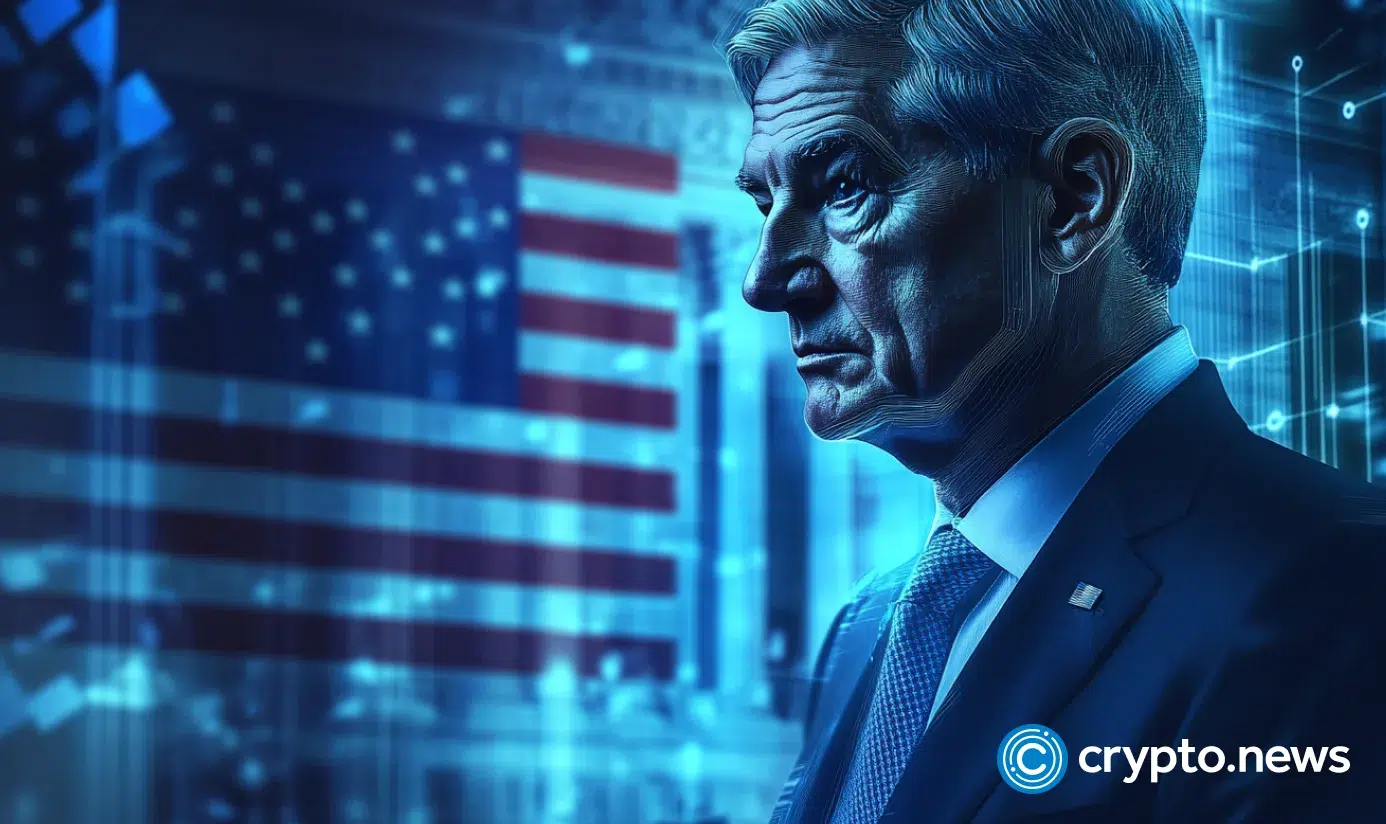
Treasury Secretary Scott Bessent says the US might allow sales of Nvidia's Blackwell chips to China

2025/11/04 23:03

The United States could eventually let Nvidia sell its most powerful computer chips to Chinese companies, Treasury Secretary Scott Bessent said Tuesday. He also laid out a busy schedule of meetings between President Donald Trump and Chinese President Xi Jinping next year.

Bessent called Nvidia’s Blackwell chips the “crown jewel” when he spoke to CNBC on Tuesday morning. But he said technology moves so fast that these chips could become less special pretty quickly. That might create an opening to sell them to China down the road.

“If we think about the Blackwell now, they’re the crown jewel,” Bessent said. “What you’re describing is actually the pace that the technology is moving, not the pace that the negotiations are moving. So there may be a case down the road.”

Asked about timing, Bessent wasn’t sure but threw out a timeframe. “I don’t know whether it’s 12 or 24 months,” he said. “Given the incredible innovation that goes on at Nvidia, where the Blackwell chips may be 2, 3, 4 down their chip stack in terms of efficacy, and at that point, they could be sold on.”

Multiple high-level meetings planned

Bessent also talked about what’s coming up between the two leaders. Trump and Xi could meet next year at a Group of 20 event in December 2026 at Trump’s golf resort in Doral, Florida. There’s also a possible meeting at an Asia Pacific Economic Cooperation conference in China in November.

That’s on top of two state visits already in the works for next year. “I think we’re going to have two state visits next year,” Bessent told CNBC. “President Trump will be going to Beijing and Xi will be coming to the US. And they may also see each other at the G-20 in Doral and then the APEC conference in Shenzhen in November.”

Bessent said things between Washington and Beijing are getting better. “The US-China relationship is on a much more even keel now,” he said.

Tech giant navigates uncertain waters

Huang gave more details when he talked to reporters Friday. Asked straight up whether Nvidia would sell AI accelerators from the Blackwell family, he said, “I don’t know. I hope so someday.” He mentioned that chip sales didn’t come up when he met with Ren Hongbin, who heads the China Council for the Promotion of International Trade.

Blackwell is Nvidia’s latest batch of artificial intelligence semiconductors. It’s become a big topic in trade talks between the US and China. But selling these products wasn’t part of what Trump and Xi talked about this week. Trump made it clear that Nvidia and Chinese officials need to keep talking on their own about whether the $5 trillion company can get into the Asian market.

This whole thing shows how tricky it is for American officials to handle technology exports while trying to keep economic ties with China going. The back-and-forth over semiconductor exports has made things complicated for both governments and tech companies trying to work within the rules.

Chinese tech companies still want to buy Nvidia’s products even though governments on both sides are putting pressure on them. How chip sales get sorted out remains one of the biggest things people are watching in US-China relations.

Want your project in front of crypto’s top minds? Feature it in our next industry report, where data meets impact.

Disclaimer: The articles reposted on this site are sourced from public platforms and are provided for informational purposes only. They do not necessarily reflect the views of MEXC. All rights remain with the original authors. If you believe any content infringes on third-party rights, please contact [email protected] for removal. MEXC makes no guarantees regarding the accuracy, completeness, or timeliness of the content and is not responsible for any actions taken based on the information provided. The content does not constitute financial, legal, or other professional advice, nor should it be considered a recommendation or endorsement by MEXC.

You May Also Like

Strive’s $500M Bitcoin ATM Program Could Boost Stock Value Up to 30x in 10 Years

Strive’s $500M Bitcoin ATM Program Could Boost Stock Value Up to 30x in 10 Years

The post Strive’s $500M Bitcoin ATM Program Could Boost Stock Value Up to 30x in 10 Years appeared on BitcoinEthereumNews.com. Strive’s $500M SATA ATM program enables the issuance of preferred stock to fund Bitcoin acquisitions, enhance financial flexibility, and support long-term growth. This strategic move, filed with the SEC on December 9, 2025, positions the company to hold more BTC while potentially boosting stock value through compounding effects over 20 years. Strive’s $500M SATA ATM targets Bitcoin purchases and corporate expansion to build lasting financial strength. Financial projections suggest the stock could multiply 30 times in 10 years due to Bitcoin’s growth and leverage strategies. With 7,525 BTC already held as of November 7, 2025, sustained demand for SATA could elevate stock prices to $1,160 by year 20, per analyst models. Discover how Strive’s $500M SATA ATM program fuels Bitcoin strategy and stock growth. Learn projections, goals, and impacts in this detailed analysis. Stay ahead in crypto finance—explore now! What is Strive’s $500M SATA ATM Program? Strive’s $500M SATA ATM program is an at-the-market offering designed to issue up to $500 million in Variable Rate Series A Perpetual Preferred Stock, known as SATA. This initiative, detailed in a sales agreement filed with the Securities and Exchange Commission on December 9, 2025, provides Strive with flexible capital-raising options without fixed timelines or pricing commitments. The proceeds will primarily support Bitcoin holdings, acquisitions, debt repayment, and other corporate needs, reinforcing the company’s commitment to digital assets. How Does the SATA ATM Structure Support Bitcoin Growth? The SATA ATM allows Strive to sell shares opportunistically through broker-dealers, adapting to market conditions for optimal pricing. This structure minimizes dilution risks while generating funds for strategic investments. As of November 7, 2025, Strive already holds 7,525 BTC, and additional acquisitions via this program could amplify exposure to Bitcoin’s potential appreciation. Financial analyst Adam Livingston highlights the program’s role in “long-term intelligent leverage on Bitcoin,” enabling…
Share
BitcoinEthereumNews2025/12/10 23:15