

Google’s Revolutionary AI Glasses Launching 2026: The Ultimate Challenge to Meta and Apple
BitcoinWorld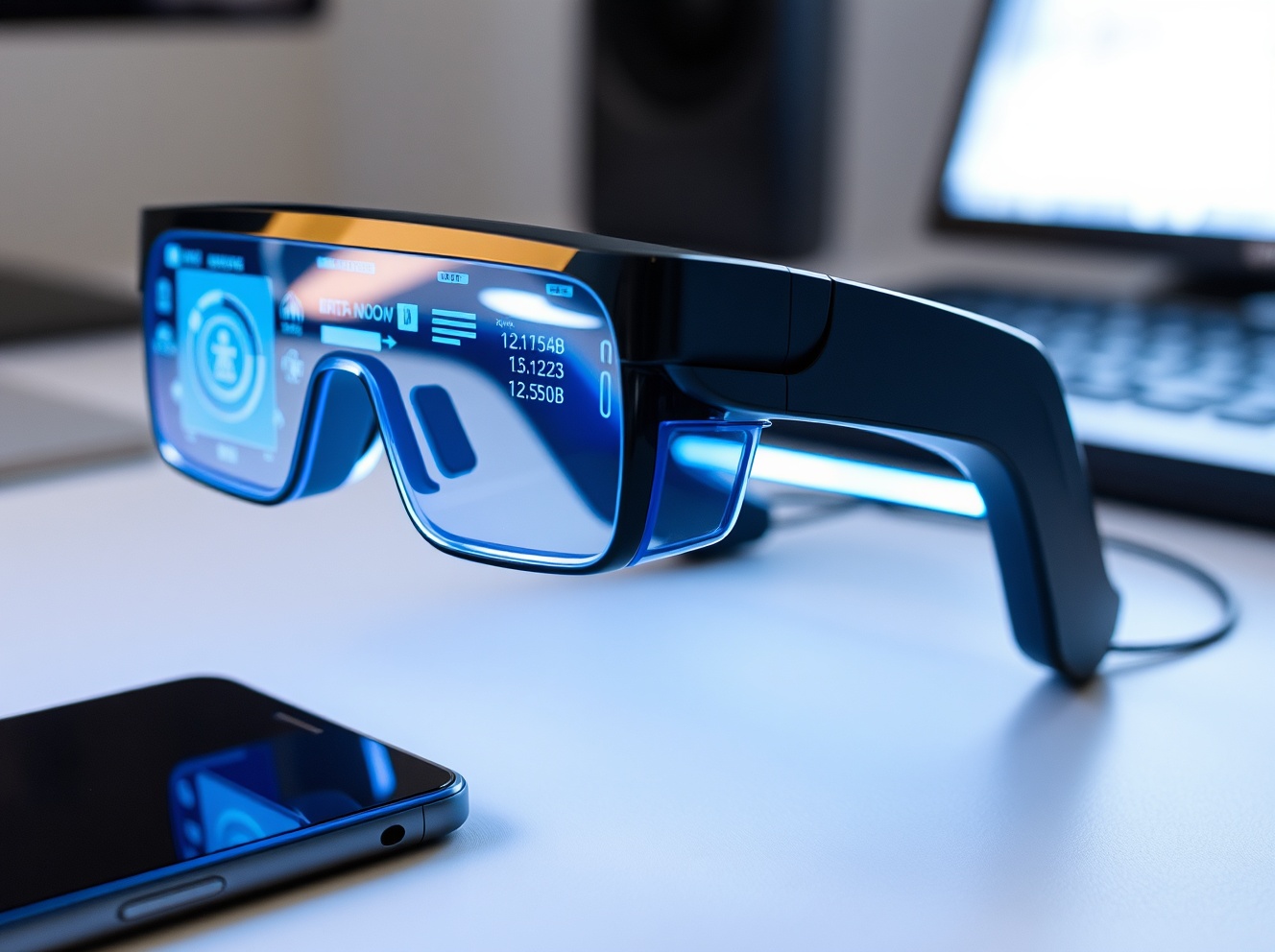
Google’s Revolutionary AI Glasses Launching 2026: The Ultimate Challenge to Meta and Apple
Imagine walking down the street while receiving real-time translation, navigation, and AI assistance through glasses that look like ordinary eyewear. This isn’t science fiction—it’s Google’s ambitious plan for 2026. As the tech giant prepares to enter the smart glasses arena, the wearable technology landscape is about to undergo a seismic shift that could redefine how we interact with artificial intelligence in our daily lives.
What Makes Google’s AI Glasses Different?
Google’s approach to smart glasses focuses on subtlety and style, recognizing that most consumers won’t wear bulky headsets in public. The company announced partnerships with fashion eyewear brands Gentle Monster and Warby Parker to create wearables based on Android XR—the same operating system powering Samsung’s Galaxy XR headset. “For AI and XR to be truly helpful, the hardware needs to fit seamlessly into your life and match your personal style,” Google emphasized in their announcement.
The company is developing two distinct models of Google AI glasses:
- Screen-Free Assistant Model: Uses built-in speakers, microphones, and cameras to enable communication with Gemini AI and capture photos without a visible display
- In-Lens Display Model: Features a display visible only to the wearer, capable of showing turn-by-turn directions, closed captioning, and notifications
Android XR: The Operating System Powering the Future
At the core of Google’s smart glasses strategy lies Android XR, an extended reality platform designed specifically for wearable devices. This operating system represents Google’s answer to the fragmentation in the XR market, offering developers a unified platform for creating immersive experiences. The partnership with Samsung ensures compatibility and app ecosystem development from day one.
| Feature | Screen-Free Model | In-Lens Display Model |
|---|---|---|
| Display | None visible | Private in-lens display |
| Primary Use | Audio AI assistance, photography | Visual information, navigation |
| Battery Life | Expected longer duration | Moderate duration |
| Price Point | Likely more affordable | Premium pricing expected |
Gemini AI Integration: Your Personal Assistant in Glasses
The integration of Gemini AI represents the most compelling aspect of Google’s smart glasses. Unlike basic voice assistants, Gemini offers contextual understanding and multimodal capabilities that could transform everyday interactions. Imagine asking your glasses to identify a plant, translate a foreign menu in real-time, or summarize a meeting—all powered by Google’s most advanced AI model.
Key capabilities expected from Gemini integration include:
- Real-time language translation through audio and visual inputs
- Context-aware suggestions based on location and activity
- Visual search and object identification through built-in cameras
- Seamless integration with Google’s productivity suite
The Smart Glasses Market Heats Up
Google enters a competitive landscape where Meta has established early leadership through its Ray-Ban partnership. However, the 2026 launch window positions Google against not just Meta, but also anticipated entries from Apple and continued efforts from Snap. Each company brings distinct advantages:
- Meta: Established retail presence, strong brand partnerships
- Apple: Ecosystem integration, premium design reputation
- Google: Android XR platform, Gemini AI, search dominance
- Snap: Youth appeal, AR filter expertise
Google’s $75 million commitment to Warby Parker—with potential for another $75 million and equity stake—signals serious investment in the fashion-tech crossover that made Meta’s glasses successful.
Project Aura: Bridging the Gap Between Glasses and Headsets
Beyond consumer glasses, Google previewed Project Aura in collaboration with Xreal—wired XR glasses that sit between traditional smart glasses and full headsets. These devices offer more advanced capabilities, functioning as extended workplaces or entertainment systems. Users could potentially stream video, use Google’s productivity apps, or engage in immersive experiences without complete isolation from their surroundings.
Privacy and Social Acceptance Challenges
As with all camera-equipped wearables, Google’s AI glasses face significant privacy concerns. The company will need to address:
- Clear recording indicators to notify others
- Data collection and storage policies
- Social acceptance in various settings
- Regulatory compliance across regions
Google’s emphasis on “screen-free” models suggests awareness of these challenges, offering options for users concerned about privacy or social awkwardness.
Why 2026 Matters for Wearable Technology
The 2026 launch represents more than just another product release—it signals maturation in the wearable technology market. By this timeframe, several critical developments should converge:
- Improved battery technology for all-day wear
- Advanced micro-displays with better resolution
- 5G/6G network deployment enhancing connectivity
- Refined AI models capable of reliable real-time assistance
- Consumer familiarity with AR/VR concepts
FAQs About Google’s AI Glasses
When will Google’s AI glasses be available?
Google plans to launch its first AI glasses in 2026, as announced in their company blog post.
What brands is Google partnering with for smart glasses?
Google has announced partnerships with Gentle Monster and Warby Parker to create consumer wearables.
How do Google’s glasses compare to Meta’s smart glasses?
While Meta partnered with Ray-Ban for fashion-forward designs, Google is focusing on Android XR integration and Gemini AI capabilities, with potential for deeper ecosystem integration.
What is Android XR?
Android XR is Google’s extended reality operating system that powers devices like Samsung’s Galaxy XR headset and will serve as the foundation for their smart glasses platform.
Will the glasses work with iPhone?
While details are limited, Google typically ensures cross-platform compatibility for major services, though full functionality might require Android devices.
What companies are competing in the smart glasses space?
Major competitors include Meta, Apple, Snap, and now Google, with each bringing different strengths to the market.
The Future of Everyday AI
Google’s entry into smart glasses represents a pivotal moment in wearable technology evolution. By combining fashion partnerships with advanced AI and a mature operating system, Google addresses previous failures in the market (remember Google Glass?) while leveraging lessons from competitors. The 2026 launch gives the company time to refine technology, build developer support, and navigate regulatory landscapes.
The ultimate success of Google’s AI glasses won’t depend solely on technology, but on creating devices that people actually want to wear every day. If they can balance capability with comfort, utility with style, and innovation with privacy, these glasses could become the first truly mainstream augmented reality device—changing how we interact with information, AI, and each other.
To learn more about the latest AI hardware trends and how they’re shaping the future of wearable technology, explore our comprehensive coverage of key developments in artificial intelligence and consumer electronics.
This post Google’s Revolutionary AI Glasses Launching 2026: The Ultimate Challenge to Meta and Apple first appeared on BitcoinWorld.
You May Also Like

Worldcoin Price Prediction 2025-2030: Will WLD Skyrocket to $10?

Top Altcoins To Hold Before 2026 For Maximum ROI – One Is Under $1!
