

Brain-Computer Interface Pioneer Max Hodak Reveals Vision Restoration Breakthrough and Unexpected Social Media Fears
BitcoinWorld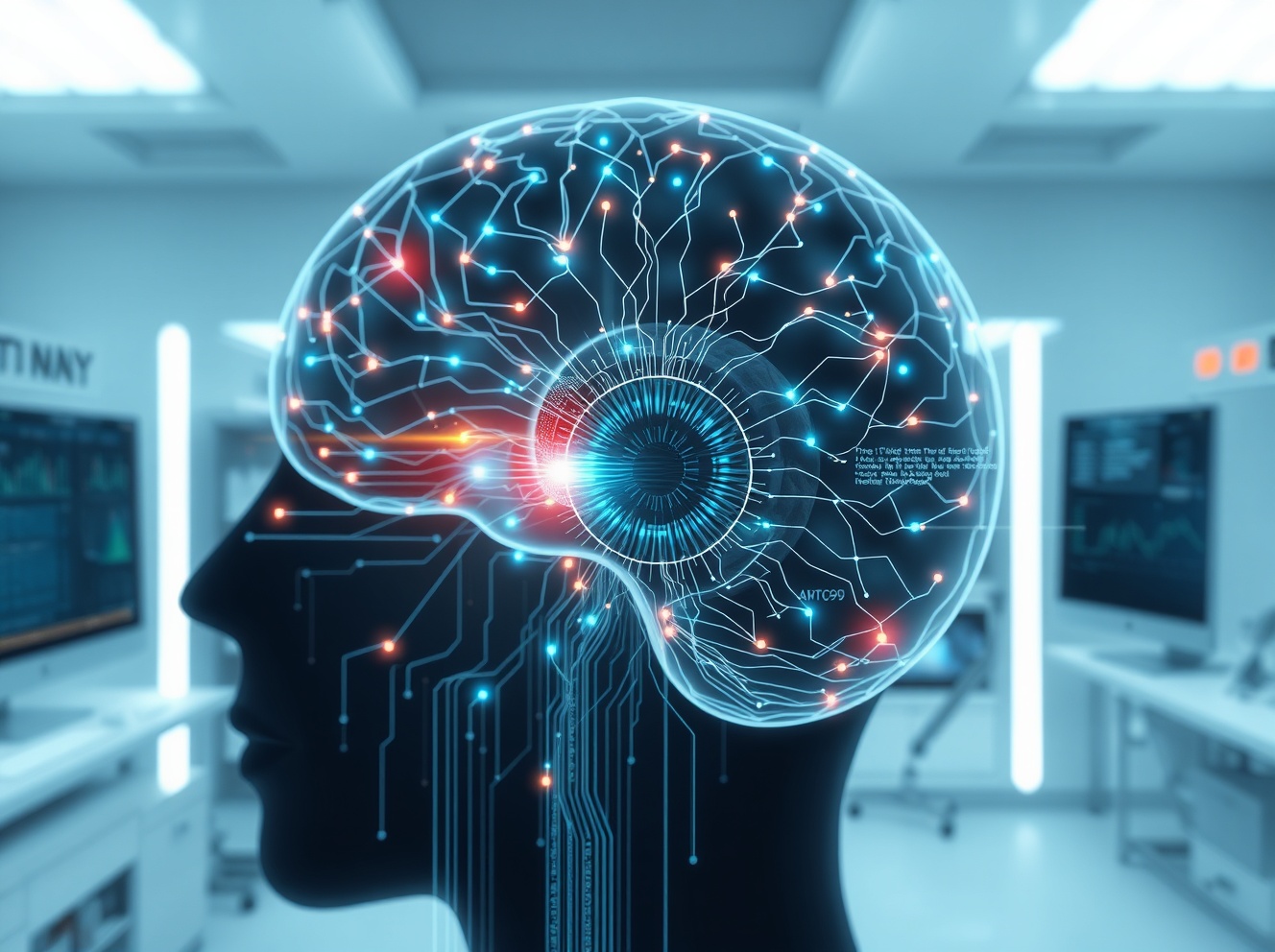
Brain-Computer Interface Pioneer Max Hodak Reveals Vision Restoration Breakthrough and Unexpected Social Media Fears
Imagine a world where blindness can be reversed with an implant smaller than a grain of rice. This isn’t science fiction—it’s the reality being built today by Max Hodak, the Neuralink co-founder who’s now leading Science Corp. In a revealing conversation on StrictlyVC Download, Hodak shares groundbreaking developments in brain-computer interface technology while expressing surprising concerns about something much more mundane: social media platforms like Twitter. For cryptocurrency enthusiasts watching the intersection of technology and human enhancement, Hodak’s insights offer a fascinating glimpse into our neurotechnological future.
What is the Current State of Brain-Computer Interface Technology?
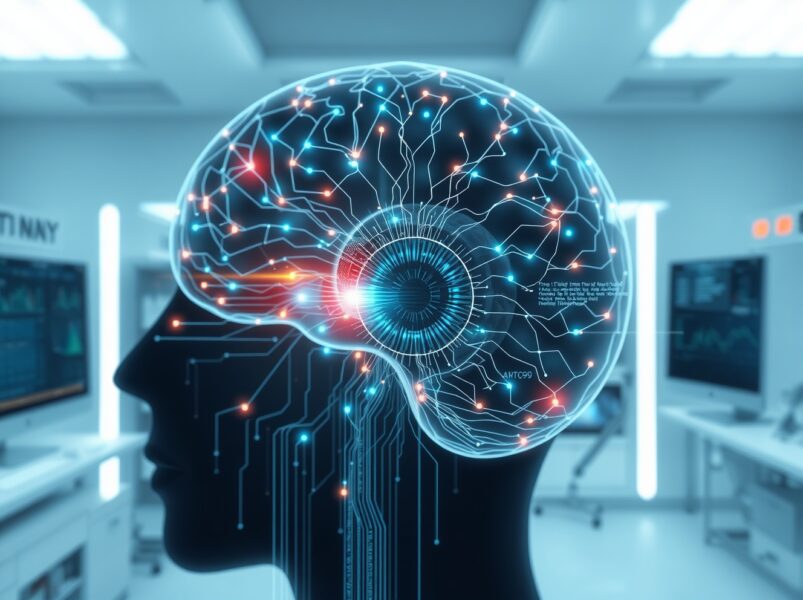
The field of brain-computer interface (BCI) technology is advancing at an astonishing pace. According to Max Hodak, these systems are “arriving faster than anyone realizes,” with medical applications leading the commercial path forward. Science Corp, Hodak’s current venture, has already raised $260 million from investors who believe in the transformative potential of this technology.
Key developments in BCI technology include:
- Medical applications for vision restoration and neurological disorders
- Non-invasive systems for basic cognitive monitoring
- Surgical implants for direct brain communication
- Research into cognitive enhancement and multi-brain networks
How Did Max Hodak Achieve a Vision Restoration Breakthrough?
Perhaps the most remarkable achievement discussed by Max Hodak involves what may be “the biggest breakthrough in vision restoration in decades.” Science Corp has developed a retinal implant so tiny it’s smaller than a grain of rice, yet powerful enough to enable 80% of blind patients to read again. This represents a monumental leap forward in neurotechnology with immediate, life-changing applications.
The vision restoration technology works through:
| Component | Function | Impact |
|---|---|---|
| Micro-retinal implant | Stimulates remaining retinal cells | Restores basic visual perception |
| External processor | Translates visual data into neural signals | Enables pattern recognition |
| Adaptive software | Learns individual neural patterns | Improves performance over time |
Why is Max Hodak More Concerned About Twitter Than BCI Hacking?
In a surprising twist, Max Hodak expressed greater concern about platforms like Twitter than about brain-computer interface hacking. While ethical questions around BCI security dominate public discourse, Hodak believes the immediate dangers of social media manipulation and misinformation present more pressing threats to cognitive autonomy and societal stability.
Hodak’s perspective challenges conventional fears:
- Social media algorithms already influence thoughts and behaviors at scale
- Twitter’s impact on public discourse affects millions daily
- BCI hacking requires physical access and technical expertise
- Social media manipulation operates continuously without consent
What is the Commercial Path for Brain-Computer Interfaces?
Max Hodak outlines a clear commercial trajectory for brain-computer interface technology. Science Corp is “keen to generate revenue while it invests in its future products,” focusing initially on medical applications with clear therapeutic benefits. This pragmatic approach ensures sustainable development while pursuing more ambitious long-term goals.
The commercial development follows three phases:
- Medical Applications: Vision restoration, paralysis treatment, and neurological disorder management
- Enhanced Communication: Direct brain-to-device interfaces for disabled individuals
- Cognitive Enhancement: Memory augmentation, learning acceleration, and multi-brain networks
How Close Are We to Cognitive Enhancement Through BCIs?
The long-term potential for cognitive enhancement represents one of the most exciting frontiers in brain-computer interface research. Hodak discusses the possibility of “binding” multiple brains together and even suggests it may be possible in the “not-too-distant future to move consciousness outside of the body.” These concepts, while speculative, point toward transformative possibilities for human cognition and existence.
Potential cognitive enhancement applications include:
- Memory storage and retrieval augmentation
- Accelerated learning through direct knowledge transfer
- Enhanced problem-solving through collaborative neural networks
- Emotional regulation and mental health applications
What Are the Practical and Ethical Questions Around BCI Technology?
Max Hodak doesn’t shy away from the difficult questions surrounding brain-computer interface development. The conversation with Connie Loizos explores practical concerns about hacking and enhancement alongside deeper ethical considerations about consciousness, identity, and what it means to be human in an age of neural augmentation.
Key ethical considerations include:
| Concern | Description | Potential Solutions |
|---|---|---|
| Privacy | Protecting neural data from unauthorized access | End-to-end encryption, local processing |
| Autonomy | Maintaining free will in enhanced systems | User-controlled interfaces, opt-out features |
| Equity | Ensuring fair access to enhancement technologies | Medical necessity prioritization, subsidy programs |
| Identity | Preserving sense of self through augmentation | Gradual integration, psychological support |
How Does Science Corp Balance Revenue Generation and Future Development?
With $260 million in funding, Science Corp faces the challenge of balancing immediate revenue generation with long-term research investment. Hodak emphasizes the importance of this balance, noting that medical applications provide both humanitarian benefits and sustainable funding for more speculative research into cognitive enhancement and consciousness studies.
The company’s strategy involves:
- Developing FDA-approved medical devices for vision restoration
- Partnering with research institutions for clinical trials
- Licensing technology for specific therapeutic applications
- Maintaining a separate research division for fundamental neuroscience
What Can We Learn From Max Hodak’s Journey From Neuralink to Science Corp?
Max Hodak’s transition from Neuralink co-founder and president to Science Corp founder offers insights into the evolving neurotechnology landscape. His experience at Neuralink, where he contributed to early brain-computer interface development, informs his current approach at Science Corp—focusing on achievable medical breakthroughs while contemplating humanity’s neurotechnological future.
Hodak’s perspective is particularly valuable because:
- He understands both technical challenges and commercial realities
- His experience spans medical devices and speculative research
- He maintains connections across the neurotechnology ecosystem
- He balances optimism about potential with pragmatism about timelines
FAQs About Brain-Computer Interfaces and Max Hodak’s Work
What is a brain-computer interface?
A brain-computer interface (BCI) is a direct communication pathway between the brain’s electrical activity and an external device, typically a computer or robotic system.
Who is Max Hodak?
Max Hodak is a neurotechnology entrepreneur best known as co-founder and former president of Neuralink. He now leads Science Corp, focusing on medical applications of brain-computer interfaces.
What breakthrough did Science Corp achieve?
Science Corp developed a retinal implant smaller than a grain of rice that enables 80% of blind patients to read again, representing a major advance in vision restoration technology.
What is Neuralink?
Neuralink is a neurotechnology company founded by Elon Musk and others, including Max Hodak, developing implantable brain-computer interfaces.
How much funding has Science Corp raised?
Science Corp has raised $260 million from investors to develop its brain-computer interface technologies.
What are the main applications of current BCI technology?
Current applications focus on medical uses including vision restoration, paralysis treatment, and neurological disorder management.
Why is Max Hodak more worried about Twitter than BCI hacking?
Hodak believes social media platforms already influence thoughts at scale without consent, while BCI hacking requires physical access and technical expertise, making it a less immediate threat.
Conclusion: The Transformative Potential of Responsible Neurotechnology
Max Hodak’s insights reveal a neurotechnology landscape progressing faster than most people realize. The vision restoration breakthrough at Science Corp demonstrates that brain-computer interfaces are already delivering life-changing medical benefits today. Yet Hodak’s surprising concern about Twitter reminds us that existing technologies may pose greater immediate threats to cognitive autonomy than futuristic hacking scenarios. As BCI technology advances from medical applications toward cognitive enhancement, the conversation Hodak champions—balancing optimism with ethical rigor, pursuing revenue while investing in future possibilities—will determine whether these powerful tools enhance human flourishing or create new vulnerabilities. The future of brain-computer interfaces isn’t just about technological capability, but about the wisdom with which we develop and deploy systems that touch the very essence of human thought and identity.
To learn more about the latest developments in neurotechnology and artificial intelligence, explore our article on key developments shaping brain-computer interfaces and their implications for the future of human cognition and digital interaction.
This post Brain-Computer Interface Pioneer Max Hodak Reveals Vision Restoration Breakthrough and Unexpected Social Media Fears first appeared on BitcoinWorld.
You May Also Like

XAG/USD refreshes record high, around $61.00

Trading time: Tonight, the US GDP and the upcoming non-farm data will become the market focus. Institutions are bullish on BTC to $120,000 in the second quarter.
