Won-Dollar Exchange Rate Soars: Hits Critical 1480 Level for First Time in 8 Months
BitcoinWorld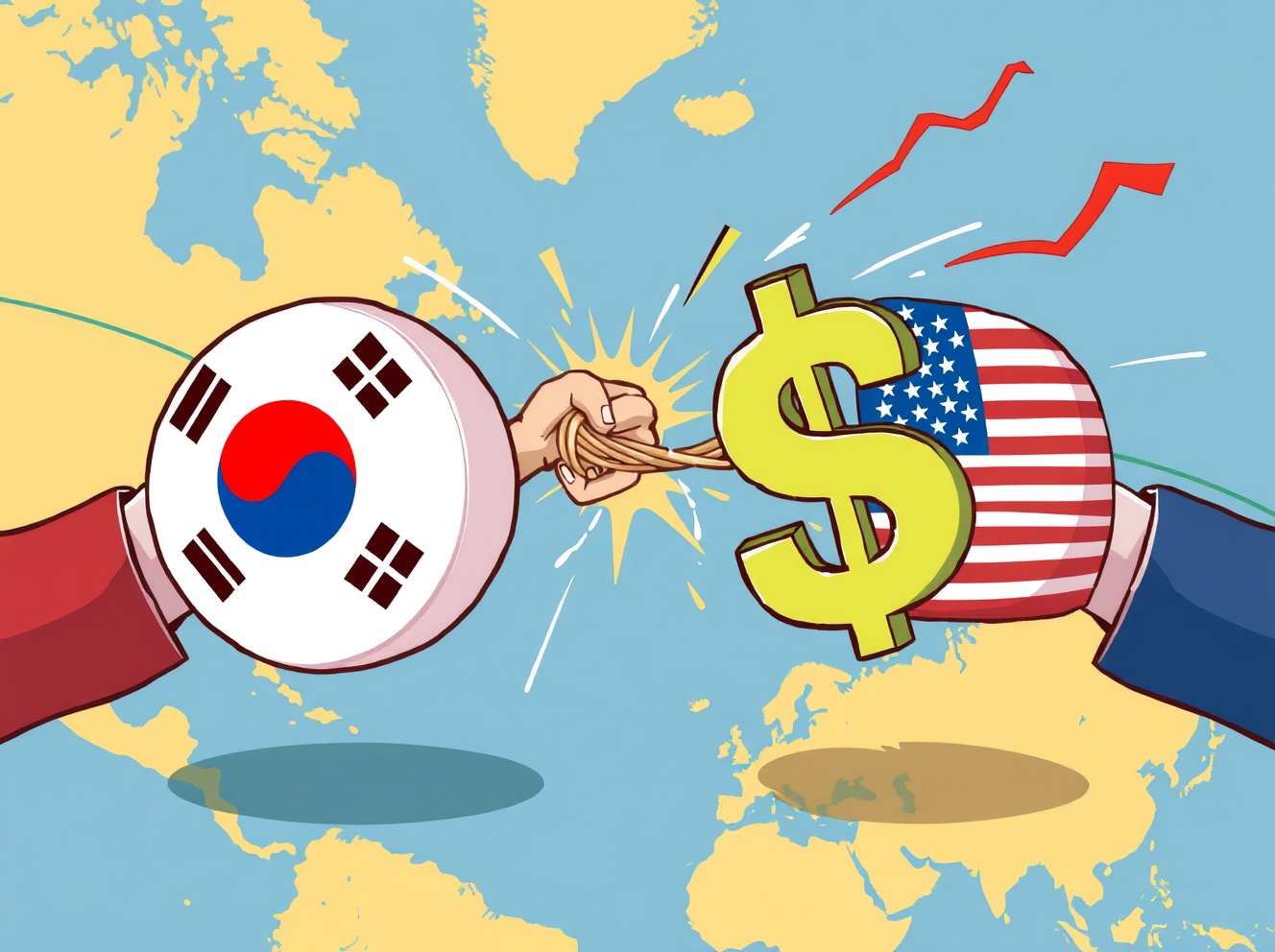
Won-Dollar Exchange Rate Soars: Hits Critical 1480 Level for First Time in 8 Months
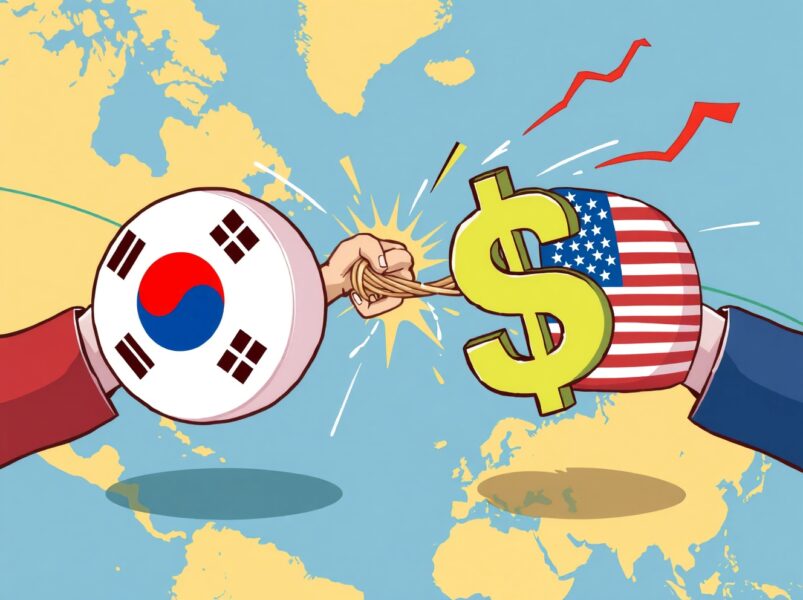
The won-dollar exchange rate just delivered a major market shock, piercing through the 1480 level for the first time since April 9. This significant movement, with the rate currently trading at 1480.58 according to TradingView data, signals important shifts in global currency dynamics. For investors in both traditional forex and cryptocurrency markets, understanding this development is crucial.
What Does the Won-Dollar Exchange Rate Hitting 1480 Mean?
When the won-dollar exchange rate climbs, it means the South Korean won is weakening against the US dollar. This movement to 1480 represents an 8-month high for the dollar’s value against the won. Several factors typically drive such movements:
- US Federal Reserve policies regarding interest rates
- South Korea’s economic indicators and export performance
- Global risk sentiment affecting emerging market currencies
- Capital flows between different markets and asset classes
The timing is particularly noteworthy as markets navigate year-end positioning and prepare for 2024 monetary policy expectations.
Why Should Crypto Investors Care About Forex Movements?
You might wonder why cryptocurrency enthusiasts should monitor traditional won-dollar exchange rate movements. The connection is stronger than many realize. South Korea has consistently been one of the most active cryptocurrency trading markets globally, often showing premium prices compared to other exchanges.
When the won weakens significantly against the dollar, several dynamics emerge:
- Korean investors may seek cryptocurrency as a potential hedge against currency depreciation
- Arbitrage opportunities can appear between Korean and international exchanges
- Market sentiment in one of crypto’s most active markets can influence global prices
- Trading volumes on Korean exchanges often correlate with won volatility
Therefore, this forex development isn’t just about traditional currencies—it has real implications for digital asset markets.
Historical Context: When Was the Last Time We Saw This Level?
The last time the won-dollar exchange rate reached the 1480 level was on April 9 of this year. Since then, the rate has fluctuated within a range, making this breakthrough particularly significant. Historical patterns suggest that once key psychological levels break, further movement often follows.
Market analysts will be watching several key indicators:
- Whether the rate sustains above 1480 or retreats
- Bank of Korea’s potential response to currency weakness
- Impact on South Korean import/export businesses
- Effects on inflation and consumer purchasing power
Understanding this historical context helps investors make more informed decisions about both forex and related cryptocurrency positions.
Practical Implications for Traders and Investors
For active traders monitoring the won-dollar exchange rate, this development offers both challenges and opportunities. The currency pair’s volatility creates trading possibilities, but also increases risk. Meanwhile, cryptocurrency traders should watch Korean exchange premiums and volumes closely.
Consider these actionable insights:
- Monitor Korean crypto exchanges like Upbit and Bithumb for unusual activity
- Watch for arbitrage signals between global and Korean crypto prices
- Consider broader market implications for emerging market currencies
- Stay informed about central bank statements from both South Korea and the US
Successful navigation of these markets requires understanding how traditional forex movements interact with cryptocurrency dynamics.
Looking Ahead: What’s Next for the Won-Dollar Pair?
The critical question now is whether the won-dollar exchange rate will continue its upward trajectory or find resistance around current levels. Several factors will determine the next move, including upcoming economic data, central bank communications, and global market sentiment.
Key levels to watch include:
- Resistance around the 1500 psychological level
- Support near previous highs around 1460
- Moving averages that might indicate trend strength
- Volume patterns confirming the breakout’s validity
As we approach year-end, currency markets often experience increased volatility, making careful risk management essential for all market participants.
Conclusion: Navigating Currency Volatility in Global Markets
The won’s slide against the dollar to the 1480 level marks a significant moment for currency markets with ripple effects across asset classes. This development reminds us that in today’s interconnected financial world, movements in traditional forex markets can significantly impact cryptocurrency dynamics. By understanding these connections, investors can make more informed decisions and potentially identify opportunities others might miss.
Frequently Asked Questions
What does a higher won-dollar exchange rate mean?
A higher won-dollar exchange rate means the South Korean won is weakening against the US dollar. It takes more won to purchase one US dollar, indicating relative dollar strength or won weakness.
How does the won-dollar rate affect cryptocurrency prices?
The won-dollar rate affects cryptocurrency prices primarily through South Korean market activity. When the won weakens, Korean investors sometimes turn to crypto as an alternative, potentially increasing demand and creating price premiums on Korean exchanges.
Why did the won-dollar rate hit 1480 now?
The won-dollar rate hit 1480 due to a combination of factors including US dollar strength, South Korean economic conditions, global risk sentiment, and year-end market positioning by institutional investors.
Should I adjust my crypto trading strategy based on forex news?
While you shouldn’t base your entire strategy on forex news, being aware of significant currency movements—especially in active crypto markets like South Korea—can provide valuable context for understanding market dynamics and potential arbitrage opportunities.
How often does the won-dollar exchange rate update?
The won-dollar exchange rate updates continuously during market hours, 24 hours a day from Sunday evening to Friday evening, reflecting the global nature of currency trading.
Where can I track the won-dollar exchange rate in real-time?
You can track the won-dollar exchange rate on financial platforms like TradingView, Bloomberg, Reuters, or through your brokerage platform. Many cryptocurrency exchanges that offer fiat trading pairs also display current rates.
Share This Insight
Found this analysis of the won-dollar exchange rate movement helpful? Share this article with fellow traders and investors who need to understand how traditional forex markets impact cryptocurrency dynamics. Your network might appreciate knowing about these important market connections!
To learn more about the latest cryptocurrency market trends, explore our article on key developments shaping global digital asset price action and institutional adoption.
This post Won-Dollar Exchange Rate Soars: Hits Critical 1480 Level for First Time in 8 Months first appeared on BitcoinWorld.
You May Also Like

Tether’s Uruguay Bitcoin Mining Plans Could Be Over

Oil jumps over 1% on Venezuela oil blockade