With multiple states revising EV policies and Central incentives tightening, the conversation has shifted from the availability of enough chargers to whether theyWith multiple states revising EV policies and Central incentives tightening, the conversation has shifted from the availability of enough chargers to whether they

Trends that will rev up India’s EV landscape in 2026
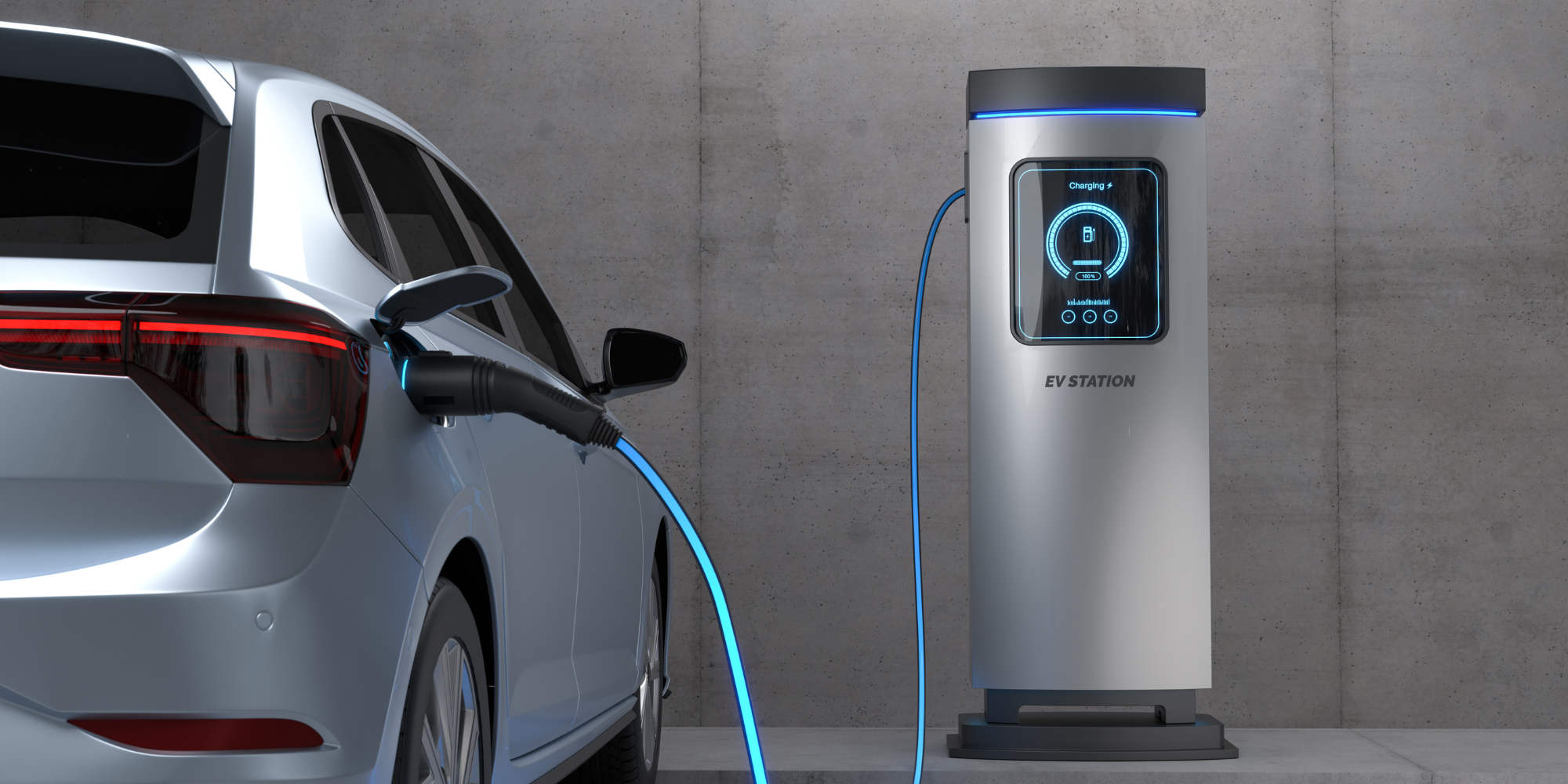
While India's public EV charging network has grown rapidly, the actual number of reliably functional chargers is much lower than the total installed count. Over the last three years, the number of public chargers has grown more than fivefold, crossing the 30,000-mark nationwide. Cities like Delhi, Bangalore, and Chennai are installing new stations every week. 

And yet, utilisation remains painfully low. According to industry reports, less than 10% of chargers are being used regularly. The year 2026, thus, becomes the critical year to close this gap and build an ecosystem that works as smoothly in practice as it does on paper.

Why the outlook remains strong

Supported by subsidies, increased awareness, and new product launches, the EV sector has grown rapidly since FY2022. Factors like improved product choices, better charging infrastructure, more financing options, and lower battery prices are set to drive further expansion. The government is encouraging EV development through a multi-faceted approach. The PM e-Drive scheme includes investments in electrifying mass transport, building charging and testing facilities, and demand incentives for certain automotive segments. This has boosted investor confidence and momentum in the sector. 

  • Smart charging goes mainstream: EVs often charge in clusters- at depots, offices, and residential societies, placing sudden strain on local grids. Smart charging enables load shifting to solar hours, uses time-of-day pricing signals, prevents transformer overloads, and reduces the need for expensive grid upgrades. Globally, managed charging has proven to be the most cost-effective way to integrate EVs at scale. In 2026, it will move from pilot projects to policy-backed adoption. At the same time, continued battery price declines will further narrow the total cost-of-ownership gap between EVs and internal combustion vehicles, accelerating mass adoption.
  • Charging infrastructure gets serious: Despite rapid growth, charger density in India remains uneven. Dedicated spaces for public charging are still limited, and power availability often restricts fast-charging deployment. The enhanced focus on infrastructure creation under PM e-Drive is therefore timely. In 2026, success will be measured not by installation numbers, but by coverage, power capacity, and utilisation rates.
  • Freight electrification takes off: The next major wave of electrification will come from freight. From last-mile delivery vans to heavy-duty trucks, logistics players are increasingly driven by decarbonisation targets, predictable routes, and improving economics. Scaling freight electrification will require close collaboration between fleet operators, charging providers, technology platforms, and regulators- but the foundations are now firmly in place.
  • Charging to move beyond a passive business: Until now, EV charging in India has been treated as a passive play. By 2026, charging will evolve into a grid-aware, demand-responsive energy service rather than a static asset- rewarding operators who can orchestrate utilisation, pricing, and power intelligently.
  • Reliability becomes the new currency: Availability is no longer enough. EV users expect accurate real-time charger status, seamless authentication, and successful payments every time. Uptime guarantees, remote monitoring, and API-based integrations will become standard. Reliability will demand shared accountability across OEMs, charge point operators, discoms, installers, and fleet operators.
  • India’s ‘UPI Moment’ for charging: Today’s charging experience remains fragmented, with multiple apps, wallets, and protocols. India is uniquely positioned to leapfrog this complexity. A UPI-powered scan-and-charge model can make EV charging as simple as any digital payment. States such as Delhi, Karnataka, and Maharashtra are already supporting frictionless charging as a policy priority. India could become the first country with a universal charging payment layer.
  • The next EV wave comes from Bharat: While metros led early adoption, Tier 2 and Tier 3 cities will drive the next EV wave—especially in commercial mobility. Two- and three-wheelers will become essential for delivery, ecommerce, and passenger transport in smaller cities, accelerating demand for interoperable and affordable charging solutions.

The road ahead

EV users demand uncompromised safety, reliability, and transparency. To meet this, India must intensify efforts to become a competitive manufacturing hub by increasing domestic value addition, localising critical components, and investing in R&D for sectors like semiconductors, electronics, EVs, and renewables. Building a skilled workforce for EV infrastructure is essential. The road to profitability for the industry remains long. Achieving industry profitability will require timely funding for start-ups to strengthen competitiveness.


Edited by Jyoti Narayan

Disclaimer: The articles reposted on this site are sourced from public platforms and are provided for informational purposes only. They do not necessarily reflect the views of MEXC. All rights remain with the original authors. If you believe any content infringes on third-party rights, please contact [email protected] for removal. MEXC makes no guarantees regarding the accuracy, completeness, or timeliness of the content and is not responsible for any actions taken based on the information provided. The content does not constitute financial, legal, or other professional advice, nor should it be considered a recommendation or endorsement by MEXC.

You May Also Like

The US dollar's share of global foreign exchange reserves has fallen below 60%.
The US dollar's share of global foreign exchange reserves has fallen below 60%.

PANews reported on January 24th that, according to Jinshi, international gold prices are projected to rise by over 64% in 2025, marking the largest annual increase
Share
PANews2026/01/24 14:30
Younger Americans Back Crypto Survey: Why Digitap ($TAP) is the Best Crypto Presale for the Next Generation

Younger Americans Back Crypto Survey: Why Digitap ($TAP) is the Best Crypto Presale for the Next Generation

The post Younger Americans Back Crypto Survey: Why Digitap ($TAP) is the Best Crypto Presale for the Next Generation appeared first on Coinpedia Fintech News A
Share
CoinPedia2026/01/24 14:42
MetaMask Token: Exciting Launch Could Be Sooner Than Expected

MetaMask Token: Exciting Launch Could Be Sooner Than Expected

BitcoinWorld MetaMask Token: Exciting Launch Could Be Sooner Than Expected The cryptocurrency community is buzzing with exciting news: a native MetaMask token might arrive sooner than many anticipated. This development could reshape how users interact with the popular Web3 wallet and the broader decentralized ecosystem. It signals a significant step forward for one of the most widely used tools in the blockchain space. What’s Fueling the MetaMask Token Buzz? Joseph Lubin, the CEO of ConsenSys, the company behind MetaMask, recently shared insights that ignited this excitement. According to reports from The Block, Lubin indicated that a MetaMask token could launch ahead of previous expectations. This isn’t the first time the idea has surfaced; Dan Finlay, one of MetaMask’s founders, had previously mentioned the possibility of issuing such a token. ConsenSys has been a pivotal player in the Ethereum ecosystem, developing essential infrastructure and applications. MetaMask, their flagship wallet, serves millions of users, providing a gateway to decentralized applications (dApps), NFTs, and various blockchain networks. Therefore, any move to introduce a native token is a major event for the entire Web3 community. Why is a MetaMask Token So Anticipated? The prospect of a MetaMask token generates immense interest because it could introduce new layers of utility and community governance. Users often speculate about the benefits such a token could offer. Here are some key reasons for the high anticipation: Governance Rights: A token could empower users to participate in the future direction and development of MetaMask. This means voting on new features, upgrades, or even changes to the platform’s policies. Ecosystem Rewards: Tokens might be distributed as rewards for active participation, using certain features, or contributing to the MetaMask community. This incentivizes engagement and loyalty. Enhanced Utility: The token could unlock premium features, reduce transaction fees, or provide exclusive access to services within the MetaMask ecosystem or partnered dApps. Decentralization: Introducing a token often aligns with the broader Web3 ethos of decentralization, distributing control and ownership among its users rather than centralizing it within ConsenSys. Consequently, a token launch is seen as a way to deepen user involvement and foster a more robust, community-driven ecosystem around the wallet. Exploring the Potential Impact of a MetaMask Token The introduction of a MetaMask token could have far-reaching implications for the decentralized finance (DeFi) and Web3 landscape. Firstly, it could set a new standard for how popular infrastructure tools engage with their user base. By providing a tangible stake, MetaMask might strengthen its position as a community-governed platform. Moreover, a token could significantly boost the wallet’s visibility and adoption, attracting new users eager to participate in its governance or benefit from its utility. This could also lead to innovative integrations with other blockchain projects, creating a more interconnected and efficient Web3 experience. Ultimately, the success of such a token will depend on its design, utility, and how effectively it engages the global MetaMask community. What Challenges Could a MetaMask Token Face? While the excitement is palpable, launching a MetaMask token also presents several challenges that ConsenSys must navigate carefully. One primary concern is regulatory scrutiny. The classification of cryptocurrency tokens varies across jurisdictions, and ensuring compliance is crucial for long-term success. Furthermore, designing a fair and equitable distribution model is paramount. Ensuring that the token provides genuine utility beyond mere speculation will be another hurdle. A token must integrate seamlessly into the MetaMask experience and offer clear value to its holders. Additionally, managing community expectations and preventing market manipulation will require robust strategies. Addressing these challenges effectively will be key to the token’s sustainable growth and positive reception. What’s Next for the MetaMask Ecosystem? The prospect of a MetaMask token signals an evolving strategy for ConsenSys and the future of Web3 wallets. It reflects a growing trend where foundational tools seek to empower their communities through tokenization. Users are keenly watching for official announcements regarding the token’s mechanics, distribution, and launch timeline. This development could solidify MetaMask’s role not just as a wallet, but as a central pillar of decentralized identity and interaction. The potential for a sooner-than-expected launch adds an element of urgency and excitement, encouraging users to stay informed about every new detail. It represents a significant milestone for a platform that has become synonymous with accessing the decentralized web. Conclusion The hints from ConsenSys CEO Joseph Lubin regarding an earlier launch for the MetaMask token have undoubtedly captured the attention of the entire crypto world. This potential development promises to bring enhanced governance, utility, and community engagement to millions of MetaMask users. While challenges exist, the underlying potential for a more decentralized and user-driven ecosystem is immense. The coming months will likely reveal more about this highly anticipated token, marking a new chapter for one of Web3’s most vital tools. Frequently Asked Questions (FAQs) Q1: What is a MetaMask token? A MetaMask token would be a native cryptocurrency issued by ConsenSys, the company behind the MetaMask wallet. It is expected to offer various utilities, including governance rights, rewards, and access to special features within the MetaMask ecosystem. Q2: Why is ConsenSys considering launching a MetaMask token? ConsenSys is likely exploring a token launch to further decentralize the MetaMask platform, empower its user community with governance rights, incentivize active participation, and potentially unlock new forms of utility and growth for the ecosystem. Q3: What benefits could users gain from a MetaMask token? Users could gain several benefits, such as the ability to vote on MetaMask’s future developments, earn rewards for using the wallet, access exclusive features, or potentially reduce transaction fees. It also provides a direct stake in the platform’s success. Q4: When is the MetaMask token expected to launch? While no official launch date has been confirmed, ConsenSys CEO Joseph Lubin has indicated that the launch could happen sooner than previously expected. The exact timeline remains subject to official announcements from ConsenSys. Q5: How would a MetaMask token impact the broader Web3 ecosystem? A MetaMask token could significantly impact Web3 by setting a precedent for user-owned and governed infrastructure tools. It could drive further decentralization, foster innovation, and strengthen the connection between users and the platforms they rely on, ultimately contributing to a more robust and participatory decentralized internet. To learn more about the latest crypto market trends, explore our article on key developments shaping Ethereum institutional adoption. This post MetaMask Token: Exciting Launch Could Be Sooner Than Expected first appeared on BitcoinWorld.
Share
Coinstats2025/09/19 15:40