‘Sari-saring kuwento’: Bringing back Lola Basyang, Filipino folktales
No matter how much we read or write, literature lives in all of us — it is what carries the rich histories that brought us to where we are today.
Filipino author and playwright Severino Reyes, also known as the “Father of Tagalog Plays,” embodied this truth in his pen name, Lola Basyang.
Lola Basyang — a fictional grandmother in the province sharing bedtime stories with her beloved grandchildren in a sleepy, candlelit room — narrates Mga Kuwento ni Lola Basyang, a real-life collection of short stories originally published by Reyes in his magazine, Liwayway.
More than a byline, Lola Basyang has become a beloved figure across mediums of Filipino art and performance, as Reyes’ anthology of short stories has lived on through decades of adaptations, such as books, comics, television, film, and theater productions.
In the hopes of introducing this famous lola to a new generation of Filipino readers, award-winning writer Dr. Christine Bellen-Ang has retold the collection with a team of esteemed illustrators, enlivening Reyes’ stories as a monument to Filipino folklore and heritage.
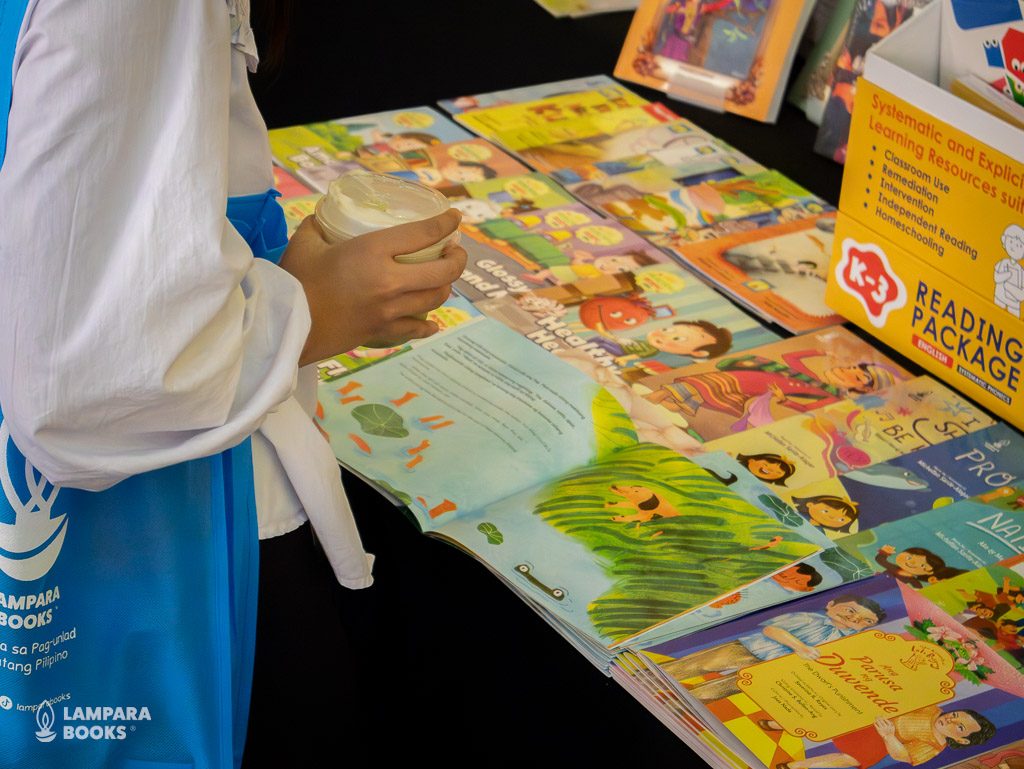
Folktales, as Bellen-Ang reminded, connect us to the lived experiences of our ancestors. As the nation rebuilt itself after World War II, writers published folktales imbued with the rawness of the Filipino voice amid precarious times.
“‘Yung mga kuwentong bayan natin ay kuwento ng masa (Our folk stories are the stories of the masses),” Bellen-Ang explained. These illuminate the worldviews of people — especially ordinary people — from the past, as well as the socio-cultural context and power struggles that shaped them.
Some of the newly retold and illustrated Lola Basyang classics include Ang Pag-ibig ni Maryang Sinukuan (illustrated by Jonathan Rañola), Ang Pitong Tanga (illustrated by John Ronnel Popa), and Rosamistica (illustrated by Liza Flores).
Sharing her motivation to bring back these stories, “Hindi natatapos sa panahon dati ang kuwentong bayan. Kaya nga hanggang ngayon, kahit sa mga rallies, may mga kuwento, may mga narrative,” she continued, referring to the street performances often present at these demonstrations.
(Folk stories do not end in the past. Even now, even in rallies, there are still stories, there are still narratives).
This effort to put a spotlight on Filipino children’s literature has also encouraged more authors, illustrators, and industry professionals to come together, with the mission to promote education and cultural appreciation to the youth, both in Filipino and English.
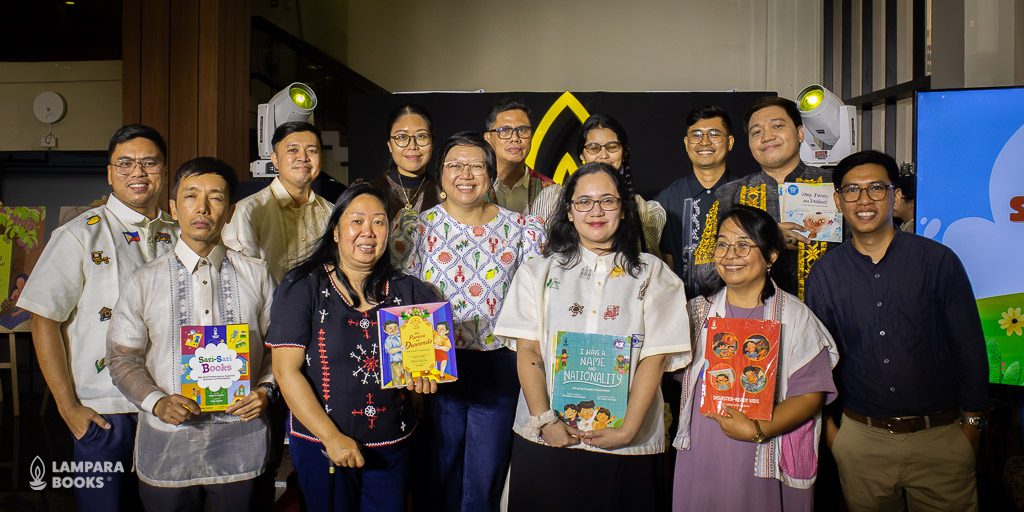
Lampara Books president Segundo Matias Jr. said the modern retellings continue their mission of “nurturing imagination, hope, and a love for reading among young readers while preserving the richness of Filipino storytelling traditions.”
For Michellan Sarile-Alagao, to write a book for a child, it is ideal to understand what it’s like to live as one these days.
It was her experiences with children that pushed her to write the Kids Have Rights! series with illustrations by Kim Santiago.
Through each installment, Kids Have Rights! aims to illuminate children on their fundamental rights in an accessible and approachable manner. This is told through stories of situations that they are likely familiar with.
The first book in the series, What Makes a Family? is centered around a child’s right to have a family, as well as different types of families that exist. As the series progresses, Sarile-Alagao touches on more sensitive topics.
An accomplished development non-profit worker and mother of a six-year-old, Sarile-Alagao became acutely aware of the youth’s vulnerability to unsavory circumstances and bad actors. As this has grown rampant amid their heightened access to the Internet, she denounced the startling prevalence of Online Sexual Exploitation of Children (OSEC) in the country.
“Those children who were exploited, those whose rights were violated, were around five, six, seven [years old],” she said in Filipino. “And a lot of them, unlike us, who know that we have rights, are not aware of their own rights.”
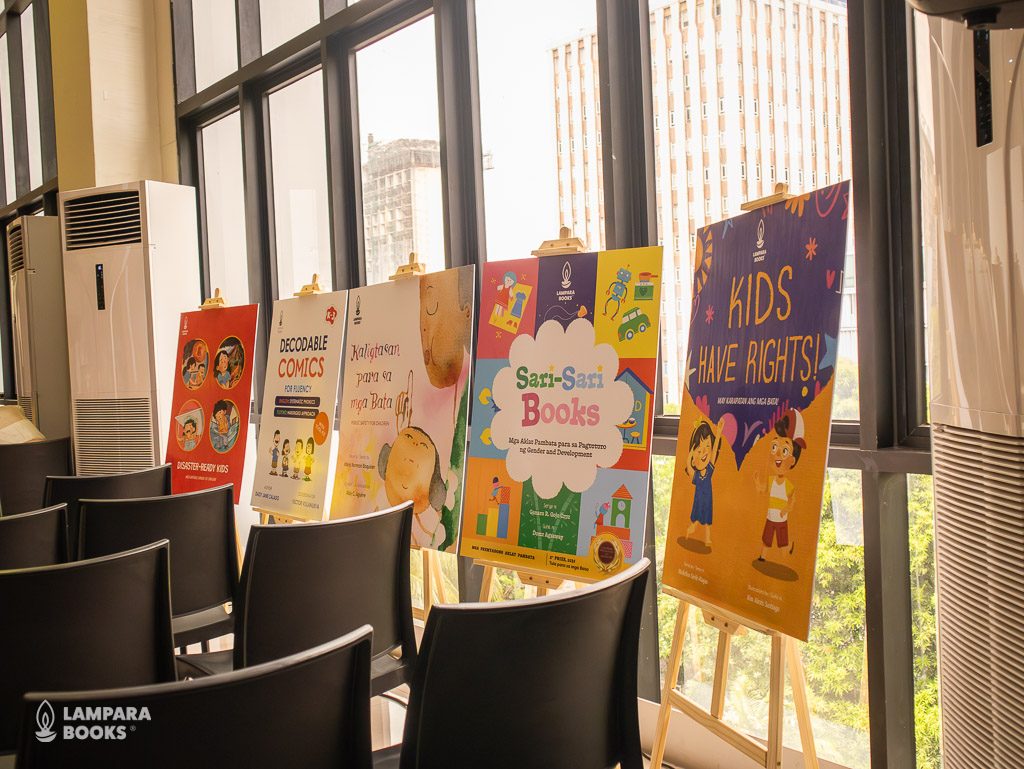
After reading these books, children are meant to deconstruct their insights with trusted adults around them. Each book comes with a set of guide questions at the end for young readers to discuss with their parents or teachers, aiding them in the understanding of complex and controversial issues.
Further down the line, Sarile-Alagao plans to extend the series to older audiences of pre-teens and teenagers. As the current volumes are what she describes as “didactic” — culminating in clear-cut moral lessons for young readers to internalize — she hopes to explore more nuanced perspectives in future stories.
“I want to explore rights in a more nuanced way,” she explained. “So that it’s not like you’re trying to beat them over the head with a lesson, but it comes out naturally in stories.”
Ultimately, her work is the foundation she has laid for children to be advocates for themselves, within and beyond their own families.
“My hope is that materials such as mine — not just mine — really help children to know that they’re empowered and that they matter, that they have dignity, [which] will help them realize when something is being done to them,” she said.
“[I want them] to be able to share their expressions and views freely and to be heard, and that their voices have power.”
One of children’s most fundamental rights is the right to freedom of expression — something that author Genaro Gojo-Cruz fervently believes in.
In his new series Sari-sari Books, the Ako Ay May Titi author highlights themes like diversity, inclusivity, and self-expression, inspiring young readers to appreciate individuality and social understanding. They tackle differences shaped by age, gender, culture, environment, values, and beliefs, fostering respect, pride, and curiosity in children for the things that bind and branch humanity.
Celebrating this diversity, the books also encourage children to explore their personhood beyond the confines of what is often expected from them. As Gojo-Cruz explained that the Sari-sari title is rooted from the Filipino word “kasarian,” this includes the restrictive gender norms we often place on one another and on children.
“Kailangan natin palayain ang mga bata sa mga kahon,” he urged. “Kung anong gusto mo, walang problema d’yan — anong gusto mong laruin, anong gusto mong buhok, anong gusto mong isuot.”
(We need to free children from boxes. Whatever you like, there’s nothing wrong with that — whatever you want to play with, however you want your hair to look, whatever you want to wear.)
Gojo-Cruz exemplified this conviction with the phrase, “bata muna sila (they’re kids first).” As he put it, children are only children once in their life — and it is a period that should be defined by transformative growth and healthy exploration, rather than the suffocating pressures and demands of adulthood.
The Sari-sari Books provide a space for children to be safe and open with who they are and what they want to be — honoring what makes us different but unites us all the same. – Rappler.com


Potrebbe anche piacerti

EUR/GBP Exchange Rate Surges as Bank of England Rate Hike Expectations Intensify – Market Analysis

Fed Governor Calls For Strong Stablecoin Oversight As CLARITY Act’s Final Text Gets Delayed

Why Businesses Need Professional Machine Design and Development Services


Notizie di tendenza
Altro