

Trump’s Decisive Stance: US Will Never Send Troops to Iran, Redefining Middle East Strategy

BitcoinWorld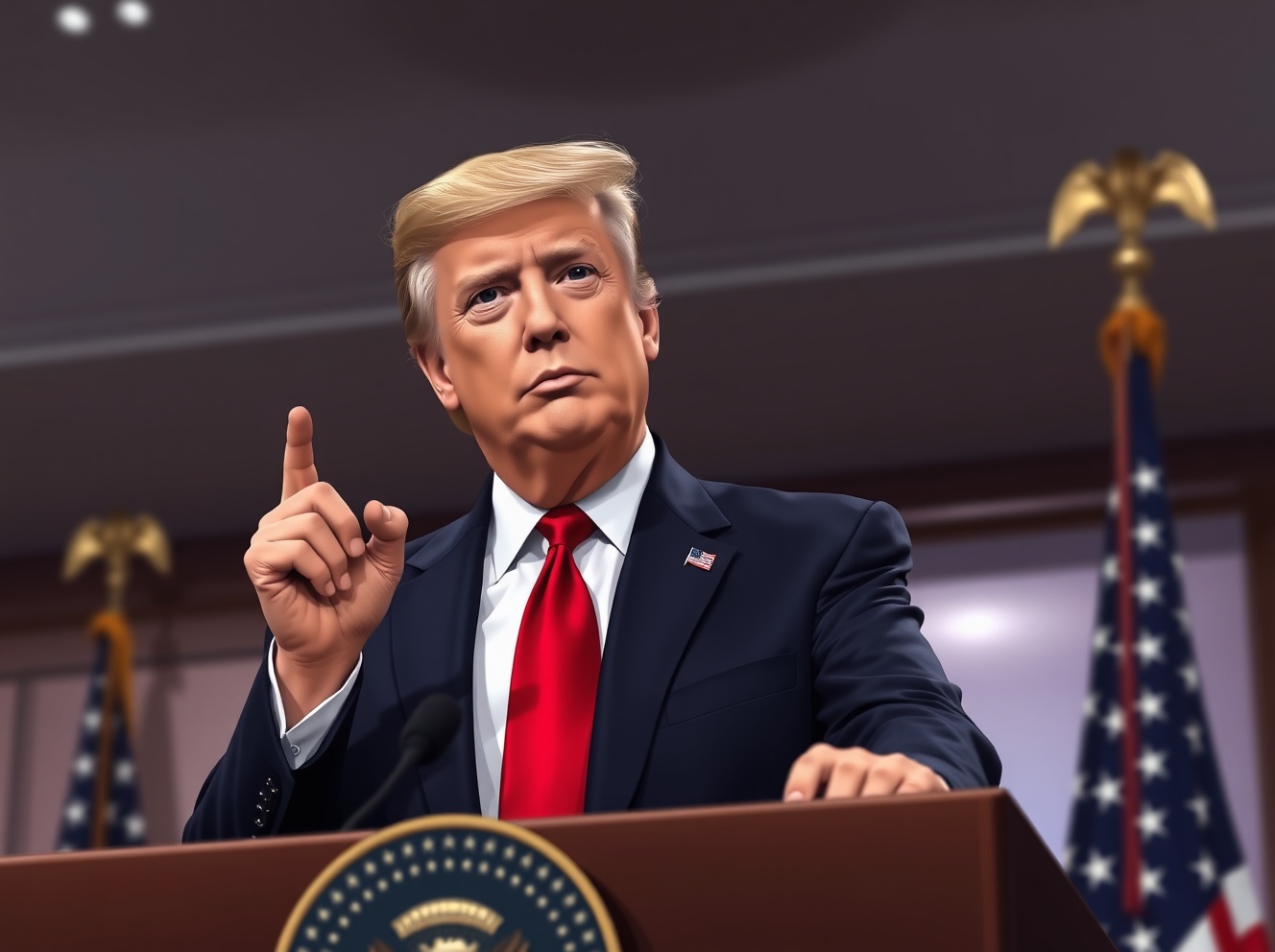
Trump’s Decisive Stance: US Will Never Send Troops to Iran, Redefining Middle East Strategy
WASHINGTON, D.C. — In a significant foreign policy declaration, President Donald Trump has unequivocally stated that the United States will never deploy military troops to Iran, fundamentally reshaping America’s strategic approach to Middle Eastern conflicts and regional security dynamics.
Trump’s Iran Troops Declaration: A Strategic Shift
President Trump made this definitive statement during a White House briefing on Tuesday, according to multiple media reports. Consequently, this announcement marks a departure from previous administration postures regarding potential military interventions in the region. Furthermore, the declaration comes amid ongoing tensions between Washington and Tehran over nuclear agreements and regional influence.
The United States maintains approximately 900 troops in Syria and thousands more across the Middle East. However, Trump’s statement specifically excludes Iran from potential deployment scenarios. Military analysts note this creates clear parameters for future engagements. Additionally, this policy clarification addresses longstanding speculation about potential ground operations.
Historical Context of US-Iran Military Relations
US-Iran relations have remained strained since the 1979 Iranian Revolution. Subsequently, various administrations have considered multiple military options. For instance, the Obama administration pursued diplomatic channels through the Joint Comprehensive Plan of Action. Conversely, the Trump administration withdrew from this agreement in 2018.
Recent years have witnessed several escalations including:
- 2019 attacks on oil tankers in the Gulf of Oman
- 2020 drone strike that killed Iranian General Qasem Soleimani
- Ongoing nuclear program developments despite sanctions
These incidents created speculation about potential military responses. Nevertheless, Trump’s statement provides explicit limitations on ground troop deployment.
Expert Analysis of Military Implications
Security experts emphasize several strategic considerations. First, the declaration reduces immediate escalation risks. Second, it clarifies US intentions for regional partners. Third, it establishes clear boundaries for military planning. Defense analysts note this approach aligns with Trump’s stated preference for avoiding prolonged foreign engagements.
Recent military posture comparisons reveal significant differences:
| Administration | Iran Policy | Troop Deployment Stance |
|---|---|---|
| Obama (2016) | Nuclear Diplomacy | No explicit prohibition |
| Trump (2020) | Maximum Pressure | No troops to Iran |
| Regional Average | Mixed Approaches | Conditional deployment |
This table illustrates the distinctive nature of Trump’s position. Moreover, it demonstrates consistency with his broader foreign policy philosophy.
Regional Security Impacts and Reactions
The announcement generates immediate consequences across the Middle East. Regional allies receive clearer guidance about US intentions. Adversaries understand specific limitations. Additionally, global markets respond to reduced conflict probabilities. Oil prices typically fluctuate during Middle East tensions. However, this declaration may stabilize certain market segments.
International reactions demonstrate varied perspectives. European allies express cautious approval. Gulf Cooperation Council members offer measured responses. Meanwhile, Iranian officials provide characteristically skeptical commentary. These diverse reactions reflect complex regional dynamics. Furthermore, they highlight differing security priorities among stakeholders.
Diplomatic and Economic Considerations
The troop declaration intersects with broader policy frameworks. Economic sanctions continue affecting Iranian resources. Diplomatic channels remain largely closed. Cyber and intelligence operations persist without ground forces. This multidimensional approach characterizes contemporary conflict management. Additionally, it reflects evolving military doctrines.
Several key factors influence this strategic calculus:
- Domestic political considerations regarding military commitments
- Budgetary constraints and defense spending priorities
- Alliance management requirements with NATO partners
- Historical lessons from previous Middle East engagements
These elements collectively inform presidential decision-making. Consequently, they create context for understanding this specific policy position.
Future Implications for US Foreign Policy
This declaration establishes important precedents. Future administrations must consider this stated limitation. Military planners incorporate this parameter into contingency preparations. Additionally, congressional oversight committees examine implications for authorization processes. The War Powers Resolution requires specific considerations. Meanwhile, the National Security Council evaluates broader strategic impacts.
Regional stability depends on multiple variables. US troop posture represents one significant factor. Iranian nuclear ambitions continue developing. Proxy conflicts persist across the region. Great power competition introduces additional complexities. Therefore, comprehensive analysis requires examining interconnected elements. This announcement addresses one specific component within larger geopolitical frameworks.
Conclusion
President Trump’s definitive statement regarding US troops and Iran creates clear policy boundaries while influencing Middle East security calculations. This declaration reduces immediate escalation risks, provides guidance to regional partners, and establishes parameters for military planning. The strategic implications extend beyond simple troop deployments, affecting diplomatic engagements, economic pressures, and regional alliance structures. As global powers navigate complex security environments, such explicit policy statements contribute to predictable international relations while managing conflict probabilities.
FAQs
Q1: What exactly did President Trump say about US troops and Iran?
President Trump explicitly stated that the United States would never deploy military troops to Iran, creating a clear policy prohibition against ground force interventions in that specific country.
Q2: How does this differ from previous US administration positions on Iran?
Previous administrations maintained more ambiguous stances regarding potential military options, while Trump’s declaration establishes an explicit prohibition against troop deployments, though other pressure mechanisms continue.
Q3: Does this mean the US won’t use any military options against Iran?
No, the statement specifically addresses troop deployments while allowing for other military options including airstrikes, naval operations, cyber capabilities, and continued support for regional partners.
Q4: How are US allies in the Middle East reacting to this announcement?
Regional allies are analyzing the implications for their own security calculations, with some expressing cautious approval while others evaluate how this affects broader deterrence strategies against Iranian activities.
Q5: Could a future US president reverse this troop deployment policy?
Yes, subsequent administrations could modify this position, though they would need to consider the strategic implications of reversing a publicly stated policy and the potential signals such reversal would send to various stakeholders.
This post Trump’s Decisive Stance: US Will Never Send Troops to Iran, Redefining Middle East Strategy first appeared on BitcoinWorld.
Potrebbe anche piacerti

VivoPower To Load Up On XRP At 65% Discount: Here’s How

Fed rate decision September 2025
