

Trump Iran Oil Stance: A Cautious Pause on Seizure Talks Amidst Global Tensions
BitcoinWorld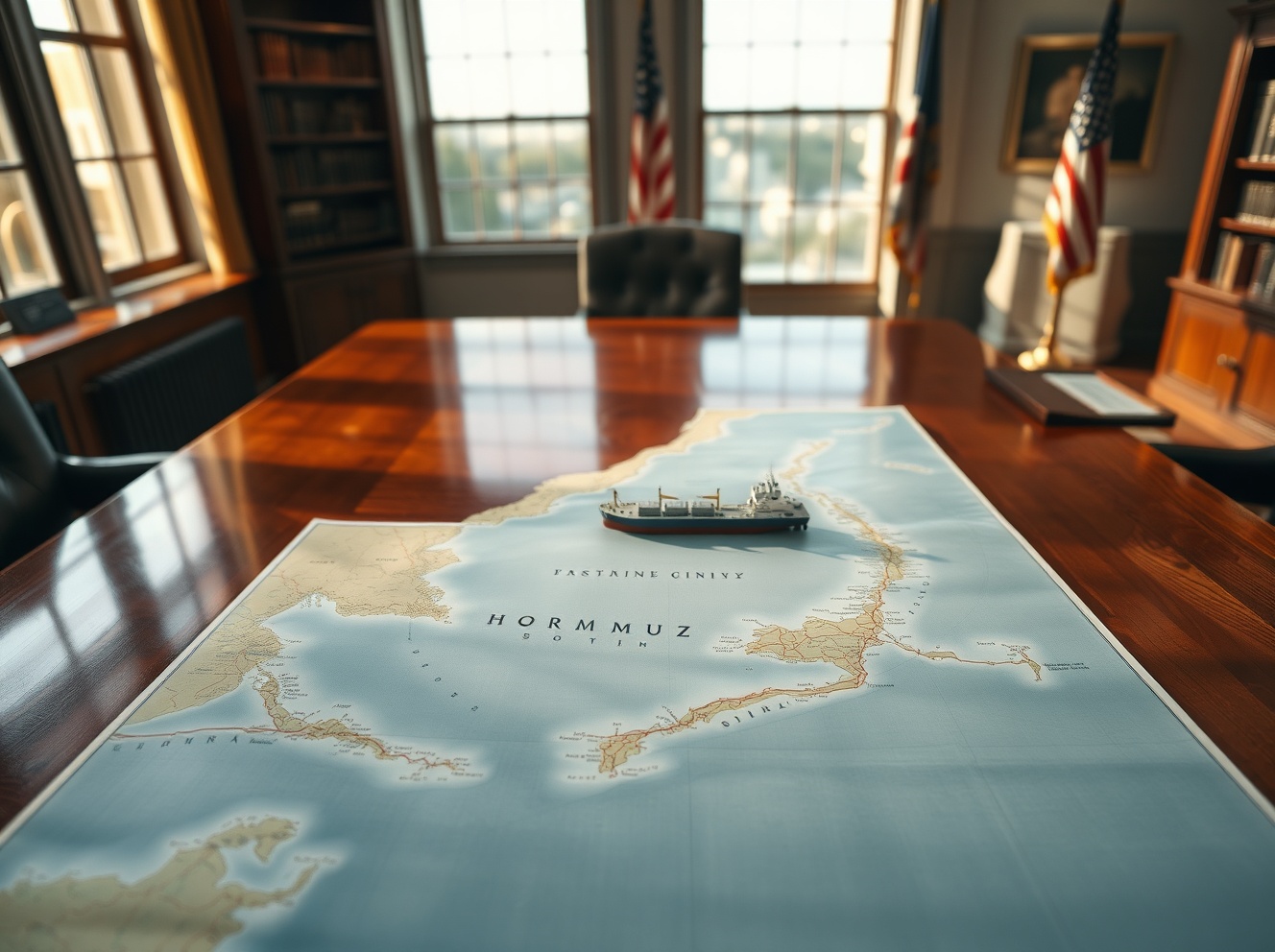
Trump Iran Oil Stance: A Cautious Pause on Seizure Talks Amidst Global Tensions
WASHINGTON, D.C. – In a significant statement shaping 2025 foreign policy discourse, former and potential future U.S. President Donald Trump declared it premature to discuss the seizure of Iranian oil assets. This position immediately recalibrates global energy market expectations and geopolitical risk assessments. Consequently, analysts are scrutinizing the strategic implications for Middle Eastern stability and international maritime law.
Trump’s Iran Oil Stance: A Strategic Pause
President Trump’s recent comments represent a notable shift in rhetorical tone regarding Iran. Previously, his administration maintained a policy of “maximum pressure” through stringent sanctions. However, his current assertion that seizure talks are “too soon” introduces a period of strategic ambiguity. This pause allows for assessment of several complex factors.
Firstly, global oil markets remain sensitive to supply shocks. Secondly, ongoing diplomatic efforts in the region require careful navigation. Furthermore, military analysts warn of escalation risks in the Strait of Hormuz. The United States Energy Information Administration (EIA) reports that approximately 20% of global oil consumption passes through this chokepoint. Any aggressive action could trigger immediate price volatility.
Geopolitical and Legal Context of Asset Seizure
The concept of seizing another nation’s sovereign assets, especially energy resources, exists within a contentious legal framework. International law, particularly the United Nations Charter, generally prohibits the threat or use of force against territorial integrity. However, historical precedents like the 1990 Iraqi invasion of Kuwait show collective security actions can involve asset control.
For Iran, oil exports constitute the lifeblood of its economy, funding everything from social programs to military expenditures. The table below outlines recent Iranian oil export estimates according to tanker tracking firms:
| Year | Estimated Exports (Barrels Per Day) | Primary Destinations |
|---|---|---|
| 2023 | ~1.2 Million | China, Syria, Venezuela |
| 2024 | ~1.5 Million | China, Gray Market |
| 2025 (Q1) | ~1.3 Million | China, Shadow Fleet |
Seizing these shipments on the high seas would constitute an act of interdiction. It would require robust legal justification, such as enforcing existing sanctions or invoking self-defense. Moreover, it would demand significant naval resources for enforcement. The U.S. Fifth Fleet, based in Bahrain, would likely lead any such operation, requiring coordination with regional allies.
Expert Analysis on Energy and Diplomacy
Dr. Elena Rodriguez, a senior fellow at the Center for Strategic and International Studies (CSIS), provides critical context. “The statement reflects a pragmatic calculation,” Rodriguez notes. “While the political appetite for confronting Iran persists, the mechanics of physically seizing oil are logistically and legally fraught. The global energy system is too interconnected for unilateral shock tactics without severe blowback.”
Energy market experts echo this caution. A sudden removal of over one million barrels per day from the market, even temporarily, could spike prices by 15-25%. This spike would disproportionately impact European and Asian allies already grappling with inflation. Therefore, Trump’s pause may signal an awareness of these broader economic alliances. It also allows time to build a potential multilateral coalition, should action later be deemed necessary.
Regional Reactions and Security Implications
Reactions from the Middle East have been mixed but measured. Gulf Cooperation Council (GCC) states, long wary of Iranian influence, typically support strong U.S. postures. However, they also prioritize regional stability and uninterrupted energy exports. An open conflict in the Persian Gulf would threaten every producer’s infrastructure.
Key regional security concerns include:
- Asymmetric Retaliation: Iran’s potential use of proxy forces or drone attacks on oil infrastructure.
- Shipping Security: Increased risk to commercial vessels from mines or fast-attack craft.
- Nuclear Diplomacy: Impact on stalled negotiations regarding Iran’s nuclear program.
Iranian officials have consistently stated they will defend their economic resources. The Islamic Revolutionary Guard Corps (IRGC) Navy regularly conducts exercises demonstrating its capacity to disrupt shipping. A direct confrontation could quickly escalate beyond a resource seizure into a broader regional conflict.
Historical Precedents and Policy Evolution
The Trump administration’s first term established a clear pattern regarding Iran and oil. In 2018, it unilaterally withdrew from the Joint Comprehensive Plan of Action (JCPOA), reinstating sweeping sanctions. By 2019, it ended sanctions waivers for major Iranian oil importers, aiming to drive exports to zero. The administration also designated the IRGC a Foreign Terrorist Organization (FTO).
However, the explicit physical seizure of cargo was never implemented as policy. Instead, the U.S. relied on financial sanctions and secondary sanctions to deter buyers. The current “too soon” language suggests a continuation of this economic pressure model, at least in the immediate term. It prioritizes financial warfare over kinetic naval blockades, which carry higher risks.
Conclusion
President Trump’s declaration that it is too soon to discuss seizing Iran’s oil marks a moment of calculated restraint in a volatile geopolitical arena. This stance acknowledges the intricate web of global energy markets, international law, and regional security dynamics. While the “maximum pressure” doctrine remains a cornerstone, its application appears tempered by pragmatic considerations of escalation and alliance management. The evolving Trump Iran oil strategy will continue to influence global energy prices, diplomatic efforts, and military posturing in the Persian Gulf for the foreseeable future. The world will watch closely to see if this pause is permanent or merely tactical.
FAQs
Q1: What did President Trump actually say about seizing Iran’s oil?
President Trump stated that it is currently “too soon” to engage in discussions or planning regarding the physical seizure of Iranian oil shipments or assets. This indicates a temporary pause or reconsideration of such a direct action.
Q2: Has the United States ever seized another country’s oil before?
Yes, there are historical precedents. Most notably, following Iraq’s 1990 invasion of Kuwait, a UN-sanctioned coalition intercepted and controlled Iraqi oil shipments as part of enforcement actions. However, peacetime seizure of a sovereign nation’s resources is exceptionally rare and legally contentious.
Q3: How would seizing Iranian oil affect global gasoline prices?
Analysts predict immediate and significant price increases. Removing over a million barrels per day from the market would create a supply shock, potentially spiking global benchmark prices by 15-25%. This would quickly translate to higher prices at pumps worldwide, especially in import-dependent regions.
Q4: What are the main legal arguments for and against seizing Iranian oil?
Proponents might cite enforcement of existing U.S. sanctions or a claim of self-defense against Iranian aggression. Opponents argue it violates international law principles of sovereign immunity and non-intervention, potentially constituting an act of war or piracy without a UN Security Council mandate.
Q5: How has Iran responded to this latest statement from Trump?
As of this reporting, official Iranian reaction has been characteristically defiant but not specific to this statement. Iranian leaders routinely vow to defend their national interests and have warned of “crushing responses” to any aggression against their assets or territory.
This post Trump Iran Oil Stance: A Cautious Pause on Seizure Talks Amidst Global Tensions first appeared on BitcoinWorld.
Potrebbe anche piacerti

US Stocks Surge Higher: S&P 500 and Nasdaq Lead Market Rally with Solid Gains

Pentagon claims it's 'only just begun to fight' as Trump says Iran war 'very complete'
