

Anthropic Code Review Launches to Tame the Critical Flood of AI-Generated Code
BitcoinWorld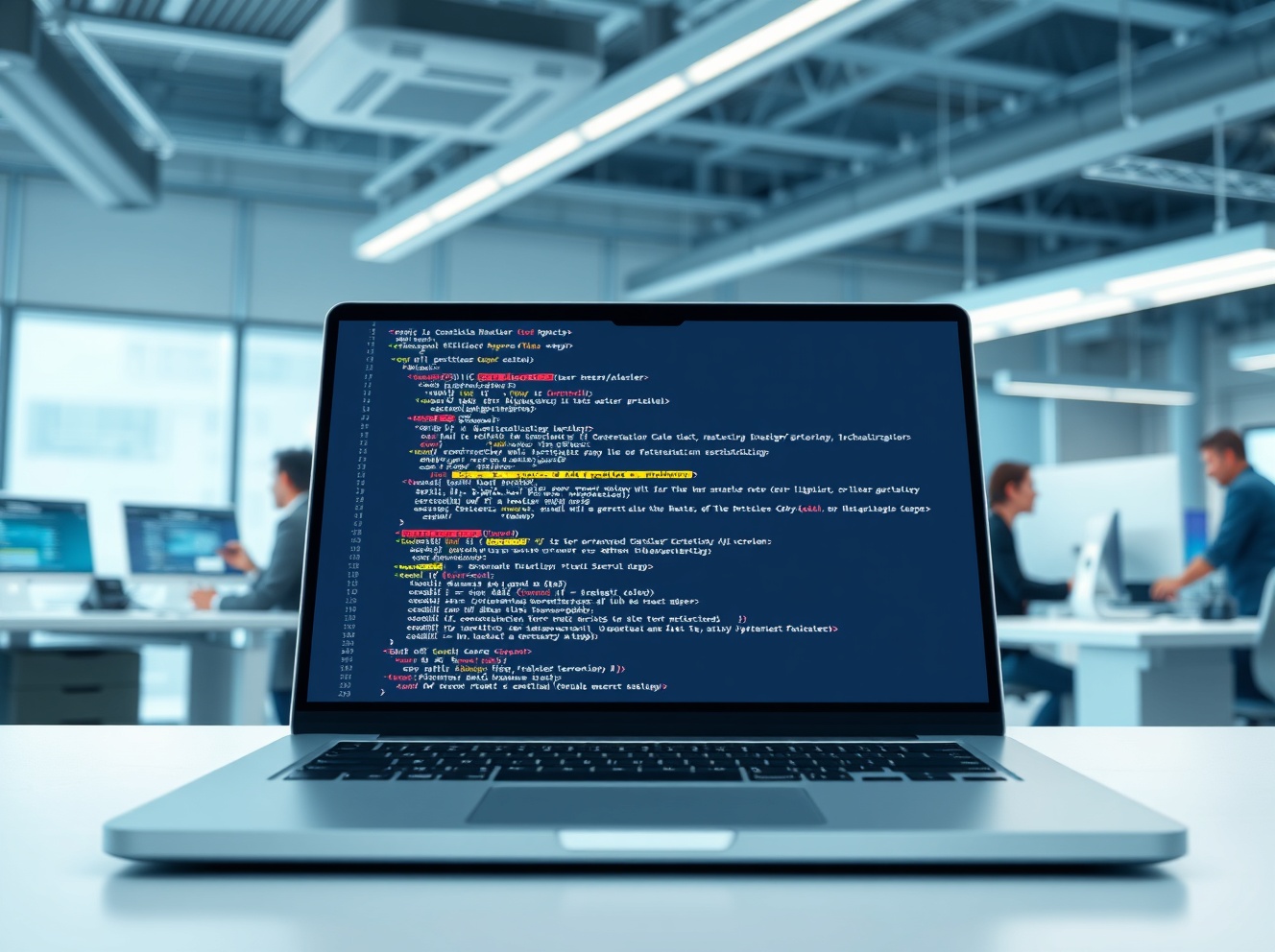
Anthropic Code Review Launches to Tame the Critical Flood of AI-Generated Code
In a strategic move to address a critical bottleneck in modern software development, Anthropic has launched an AI-powered Code Review tool designed specifically to audit the massive volume of code generated by its own Claude Code assistant. The launch, confirmed on Monday, June 9, from San Francisco, CA, targets enterprise clients grappling with the dual-edged sword of accelerated AI coding and the subsequent flood of pull requests requiring review.
Anthropic Code Review Addresses the ‘Vibe Coding’ Bottleneck
The rapid adoption of AI coding assistants has ushered in the era of ‘vibe coding,’ where developers describe desired functionality in plain language and receive large code blocks in return. Consequently, this paradigm shift has dramatically increased developer output. However, it has also introduced new challenges, including subtle logical bugs, security vulnerabilities, and poorly understood code that can compromise long-term software health. Anthropic’s new tool directly confronts these issues by automating the initial review process.
Cat Wu, Anthropic’s Head of Product, explained the market demand to Bitcoin World. “We’ve seen tremendous growth in Claude Code, especially within the enterprise,” Wu stated. “A recurring question from leaders is: ‘Now that Claude Code is generating numerous pull requests, how do we review them efficiently?’ Code Review is our answer to that.” The tool integrates directly with platforms like GitHub, automatically analyzing submitted code and providing inline comments that explain potential issues and suggest fixes.
The Enterprise-Driven Solution for Scaling Development
This product launch arrives at a pivotal moment for Anthropic. The company recently filed lawsuits against the Department of Defense following a supply chain risk designation, potentially increasing reliance on its commercial enterprise segment. Significantly, Anthropic reports that Claude Code’s run-rate revenue has surpassed $2.5 billion since launch, with enterprise subscriptions quadrupling since the start of the year.
Wu emphasized the tool’s focus on logic errors over stylistic preferences, a design choice aimed at providing immediately actionable feedback. “Developers get annoyed with non-actionable AI feedback,” she noted. “We focus purely on logic errors to catch the highest priority fixes.” The system employs a multi-agent architecture where different AI agents examine code from various perspectives in parallel. A final agent then aggregates findings, removes duplicates, and prioritizes issues by severity using a color-coded system: red for critical, yellow for review-worthy, and purple for historical code problems.
Pricing, Performance, and the Future of AI-Assisted Development
As a premium, resource-intensive service, Code Review operates on a token-based pricing model. Wu estimated the average cost per review between $15 and $25, varying with code complexity. The tool provides a baseline security analysis, with deeper audits available through Anthropic’s separate Claude Code Security product. Engineering leads can also customize the system to enforce internal best practices.
The introduction of this tool reflects a broader industry trend where AI-generated content necessitates AI-powered quality control. “Code Review is coming from an insane amount of market pull,” Wu asserted. “As friction to creating features decreases, demand for review skyrockets. We aim to enable enterprises to build faster with fewer bugs than ever before.” The tool is initially available in a research preview for Claude for Teams and Claude for Enterprise customers, including major clients like Uber, Salesforce, and Accenture.
Comparative Analysis of AI Code Review Approaches
| Focus Area | Anthropic Code Review | Traditional Human Review | Basic Linter Tools |
|---|---|---|---|
| Primary Goal | Catch logical bugs in AI-generated code | Ensure quality, knowledge sharing, standards | Enforce syntax and style rules |
| Speed | Seconds to minutes (parallel agents) | Hours to days | Instantaneous |
| Scalability | High, handles volume from AI coders | Limited by human bandwidth | High |
| Key Strength | Prioritizes high-severity logic errors | Contextual understanding, mentorship | Consistency and formatting |
This strategic development underscores a maturation in the AI coding assistant market. Initially focused on raw code generation, leaders like Anthropic are now building vertically integrated ecosystems. These ecosystems address the entire software development lifecycle, from ideation and writing to review and security.
Conclusion
Anthropic’s launch of its AI-powered Code Review tool marks a significant evolution in managing AI-generated code. By targeting the critical bottleneck of pull request review, the company addresses a direct pain point for its booming enterprise clientele. The tool’s focus on logical errors, multi-agent analysis, and seamless GitHub integration positions it as a necessary layer of quality assurance in the ‘vibe coding’ era. As AI continues to transform software development, automated review systems like Anthropic’s will become essential infrastructure for maintaining velocity, security, and code integrity at scale.
FAQs
Q1: What is the main problem Anthropic’s Code Review tool solves?
The tool addresses the bottleneck created when AI coding assistants like Claude Code generate a high volume of pull requests much faster than human teams can review them, helping to catch logical bugs and security risks early.
Q2: How does Anthropic’s Code Review differ from a standard linter?
While linters focus on code style and syntax, Anthropic’s tool is designed to identify higher-level logical errors and potential bugs in the code’s functionality, prioritizing issues by severity.
Q3: Who is the primary target audience for this new tool?
The tool is targeted at large-scale enterprise users of Claude Code, such as Uber, Salesforce, and Accenture, who need to manage and scale the review process for AI-generated code across large engineering teams.
Q4: How much does Anthropic’s Code Review cost?
Pricing is token-based and varies with code complexity. Anthropic estimates the average cost per code review will be between $15 and $25.
Q5: What is ‘vibe coding’ and how does it relate to this launch?
‘Vibe coding’ refers to the practice of using AI tools to generate code from plain language instructions. While it speeds up development, it can also produce more code with hidden bugs, creating the need for robust AI-powered review systems like Anthropic’s.
This post Anthropic Code Review Launches to Tame the Critical Flood of AI-Generated Code first appeared on BitcoinWorld.
Potrebbe anche piacerti

Ethereum unveils roadmap focusing on scaling, interoperability, and security at Japan Dev Conference
👨🏿🚀TechCabal Daily – Folded by a paper cut
