

Earlier this year, we rebuilt our VIP program and relaunched it as VVIP. I want to explain how the new system works, and why we designed it the way we did. The why starts with a weekend in February. FEarlier this year, we rebuilt our VIP program and relaunched it as VVIP. I want to explain how the new system works, and why we designed it the way we did. The why starts with a weekend in February. F
From VIP to VVIP: We Changed the Ruler, Not the Ranking

Earlier this year, we rebuilt our VIP program and relaunched it as VVIP. I want to explain how the new system works, and why we designed it the way we did. The why starts with a weekend in February.
February 28 this year was a Saturday.
Every major traditional market was shut. The situation in the Middle East deteriorated sharply, and over the weeks that followed Brent crude went from the low-to-mid $70s to above $100, eventually approaching $120. Equities wouldn't open until Monday. Most futures and FX desks were dark too. For investors who needed liquidity immediately, whether to cover a margin call or simply to get flat before whatever came next, the practical choices narrowed sharply to markets that were still trading.
Bitcoin's drawdown over those two days wasn't especially large. It had already fallen from above $90,000 to around $65,000 in the preceding weeks, driven by several things at once. Easing expectations kept getting pushed out, technology names were under pressure, and institutional money had been flowing out. Very little of it had to do with the Gulf.
I paid less attention to the price than to what a liquidity squeeze like that means for the people who need to act inside it.
Gold got sold too
Gold was the part I did not expect.
By the textbook, a geopolitical shock plus an energy spike should have sent it straight up. Instead it lost more than ten percent over the course of March. Part of the answer was demand for dollar liquidity. Higher oil prices also pushed inflation and rate expectations higher, strengthening the dollar and raising the opportunity cost of holding gold.
I think that breaks an assumption this industry has been running on for years.
We are trained to ask what someone holds. Almost every framework we use for analysing a trader is built on that. But in a genuine liquidity squeeze, what you hold answers only half of it. The other half is whether you can move it when you need to.
And mobility does not always come free. In many conventional VIP systems, moving capital can also mean giving up status, fee benefits or other privileges. The more volatile the market becomes, the more flexibility users need. That is also when a static tiering model creates the most friction.
That stretch of the market hit VIP users at a number of exchanges. Many cut positions quickly, and their tiers fell along with their balances. In the weeks that followed, several platforms launched campaigns to win those users back. Those campaigns reflected something most people in this business already know. A few days of heavy selling says very little about what a user is actually worth. That period made it very clear to me that the model itself had to change.
The problem with static thresholds
Many conventional VIP programs still rely heavily on asset balances, rolling trading volume or similar financial thresholds. The mechanics differ from platform to platform, but the underlying logic is similar. A small set of financial metrics is asked to stand in for a much broader relationship.
When markets are quiet, balances barely move and a threshold rarely bites. When they turn violent, balances swing and users need to act quickly. That is when a static model starts working against the people it is meant to reward.
Someone who concluded the risk was no longer manageable, and who wanted to halve a position or move funds out and wait, may well have been making a perfectly defensible risk-management decision. What a system like that tells them instead is that doing so may move their tier, their pricing and their benefits along with it. The result can be an unnecessary trade-off, with risk management on one side and status on the other.
I don't think that trade-off should exist at all.
What worries me more is the sequence it can produce. In a violent market, balances can fall first. If tier status is tied to those balances, status can fall with them. If lower status then means higher trading costs, the user's room to manage risk narrows further. And the loop tends to begin at the worst possible time, when the user is least equipped to handle it.
Platforms that lean on win-back campaigns after a drawdown are treating the outcome and leaving the incentive that produced it in place. If recovery campaigns become the remedy, the underlying design deserves another look.
Adaptation made for a multi-asset portfolio
Account structure has changed over the past two years.
A single account today might hold crypto, tokenized precious metals, index exposure and equity exposure at once, with money moving between them several times a day. Hedging across markets used to be an institutional privilege. It is now ordinary.
Under those conditions, reading a balance at one moment and assigning someone a label gets less accurate every quarter. The balance is a snapshot. The behaviour that actually describes the person happens between snapshots.
Many conventional VIP programs also tie status directly to fees, so a higher tier buys a lower rate. In practice that turns VIP into a pricing ladder.
Which raises a more basic question. If VIP status is mostly a pricing ladder, what is it actually recognising about a user?
A holistic assessment, tailored to you
On April 2 we launched our VVIP system, built around a dynamic score we call M-Score.
It evaluates a user's ongoing relationship with the platform across multiple dimensions, including trading activity, platform engagement, account security and asset-related factors. New users enter the system at 350 points after their first full day, with scores settled daily and reflected the following day.
The program itself has three parts: the M-Score, the tier it places a user in, and the privileges that come with that tier. There are three tiers, Standard, Premier and Elite, and users move up automatically as their score improves. Higher tiers carry greater privileges and stronger protection, which means the users who engage most deeply are also the best supported when markets turn.
Pricing is also where VVIP departs from the conventional model. The tiers change the privileges and protection a user gets. They do not determine the base trading fee.
What changed is the structure of the assessment.
Assets still matter. The difference is that they no longer tell the whole story. Account balance is no longer a single threshold that determines a user's tier; it is one factor among several in a multi-dimensional assessment.
Which is why I also won't promise that a score can never fall when assets move. It can. Moving funds out may affect it. But in a multi-dimensional, continuously updated structure, weakness in one input can be offset by strength elsewhere. Your trading activity, platform engagement and account security all still count.
That is a weaker claim than "we don't look at your assets." It is also the true one, and it changes the March problem. Reducing exposure can still affect the score. It just no longer lets one balance threshold decide everything.
We did not abolish tiers
One thing we did not do was flatten everything.
There's a line in this industry suggesting that a genuinely user-first platform would treat everyone identically. I don't believe that, and we didn't build it that way. Users who engage more deeply should get more; that's ordinary in any service business.
What we changed isn't whether to differentiate between users. It is how we understand them. We moved from a narrow snapshot of assets or volume toward a broader view of what they hold, how they trade and how they engage with the platform. A balance is a moment. A relationship is not defined by one metric in one market cycle.
The next frontier
I don't want to present this as finished.
Any transparent scoring system creates the risk that people optimise for the metric instead of the behaviour it was meant to recognise. There is no final answer to that design problem. Weight the inputs too simply and you get "whoever trades most wins." Make it too complex and you get a black box. That balance will keep evolving.
We published the scoring inputs and tier thresholds anyway, because a scoring system users cannot inspect is not much of an improvement on the static models it was designed to move beyond.
I am certain of one thing, though.
The relationship between a trading platform and its users doesn't reveal itself in a bull market. Everyone is a good customer in a bull market. It shows up on a weekend like the last one in February, when only a handful of markets are open and someone has to make a decision that is correct and uncomfortable at the same time. In that moment, the rules are either on their side or against them. Being user-centric is the most important thing we do at MEXC, and moments like that are where it actually gets tested. VVIP is our attempt to build it into the rules themselves.
No one should have to choose between selling on Saturday and keeping their standing on Monday.
About the Author
Vugar Usi is CEO of MEXC, where he leads the company's global strategy, growth, and long-term vision to build a more open and inclusive digital asset ecosystem. Prior to joining MEXC, he served as Chief Operating Officer at Bitget, where he played a key role in expanding the platform's global operations and user base. With more than 15 years of experience in marketing, communications, and brand strategy, Vugar has worked with leading global organizations including Carlsberg, Facebook, Coca-Cola, and Twitter. He holds a Master of Public Administration from Harvard University and serves as an advisor to the United Nations Office of the High Commissioner for Human Rights on minority issues.
The views expressed are the author's own and do not constitute investment advice. Digital assets are volatile; assess your own risk tolerance before trading. M-Score results and tier eligibility are determined by the platform's assessment model; official rules apply.
市場の機会
Notcoin価格(NOT)
$0.0004225
$0.0004225$0.0004225
USD
Notcoin (NOT) ライブ価格チャート
このページで共有されている記事は公開プラットフォームから収集したものであり、参考情報としてのみ提供されています。MEXCの立場や見解を代表するものではありません。すべての権利は Vugar Usi に帰属します。第三者の権利を侵害するコンテンツがあると思われる場合は、[email protected] までご連絡いただければ速やかに削除いたします。MEXCはいかなるコンテンツの正確性、完全性、適時性も保証せず、提供された情報に基づいて取られたいかなる行動についても責任を負いません。本コンテンツは、金融、法律、またはその他の専門的なアドバイスを構成するものではなく、MEXCによる推奨または支持として解釈されるべきものでもありません。専門家の洞察と詳細な分析については、MEXC 学ぶ をご覧ください。
Notcoin の最新情報
もっと見る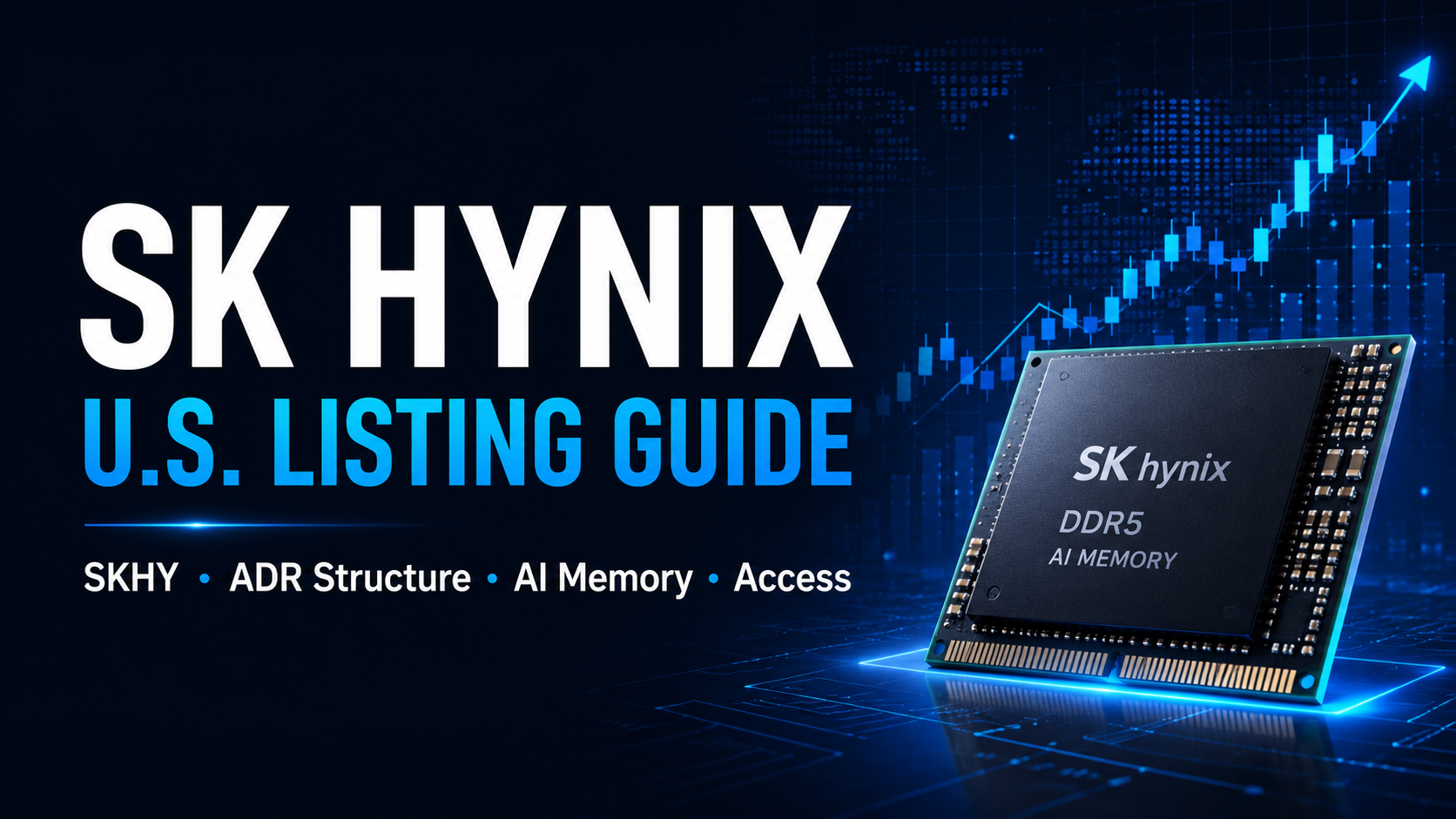
SKハイニックス米国上場ガイド:SKHY上場日、ADRの仕組み、AIメモリへのエクスポージャー、MEXCでのアクセス
SKハイニックス(SK Hynix)は米国市場デビューに向けて前進しており、世界の投資家に対し、AIメモリサプライチェーンで最も重要な企業の1つにアクセスする新たな手段を提供しようとしています。この韓国の半導体メーカーは、SKHYのティッカーシンボル(予想)で、ナスダックでの米国預託証券(ADR)を通じた大規模な米国株式売出を開始しました。
ロイター通信によると、SKハイニックスはこのADR発行を通じて約43兆ウォン(約280億7000万ドル)の資金調達を目指しています。同社は1779万株の新株を発行する計画で、10ADRが普通株式1株に相当します。最終的な価格決定は7月9日に予定されており、ナスダックでの取引デビューは7月10日と予想されています。
この上場が重要な理由は、SKハイニックスが単に米国市場へのアクセスを求める一般的な外国企業ではないからです。同社は、AIアクセラレーターや最新のデータセンターインフラの動力源となる重要なコンポーネント、広帯域メモリ(HBM)の世界的なトップサプライヤーの1つです。米国上場の目的は、SKハイニックスの投資家層を拡大し、米国機関投資家の取引アクセスを改善し、市場がこのAIメモリのリーダーに対して高い流動性プレミアムを付与するかどうかを試すことにあります。
同時に、投資家はこの上場をリスクのないAIアクセスイベントとして扱うべきではありません。今回のオファリングは新株発行を伴うものであり、AI主導のメモリ株の大幅な上昇の後に行われ、さらに市場が設備投資(Capex)、生産能力の拡大、そして将来のメモリサイクルの反転リスクに極めて敏感になっている時期と重なっています。
2026/07/08
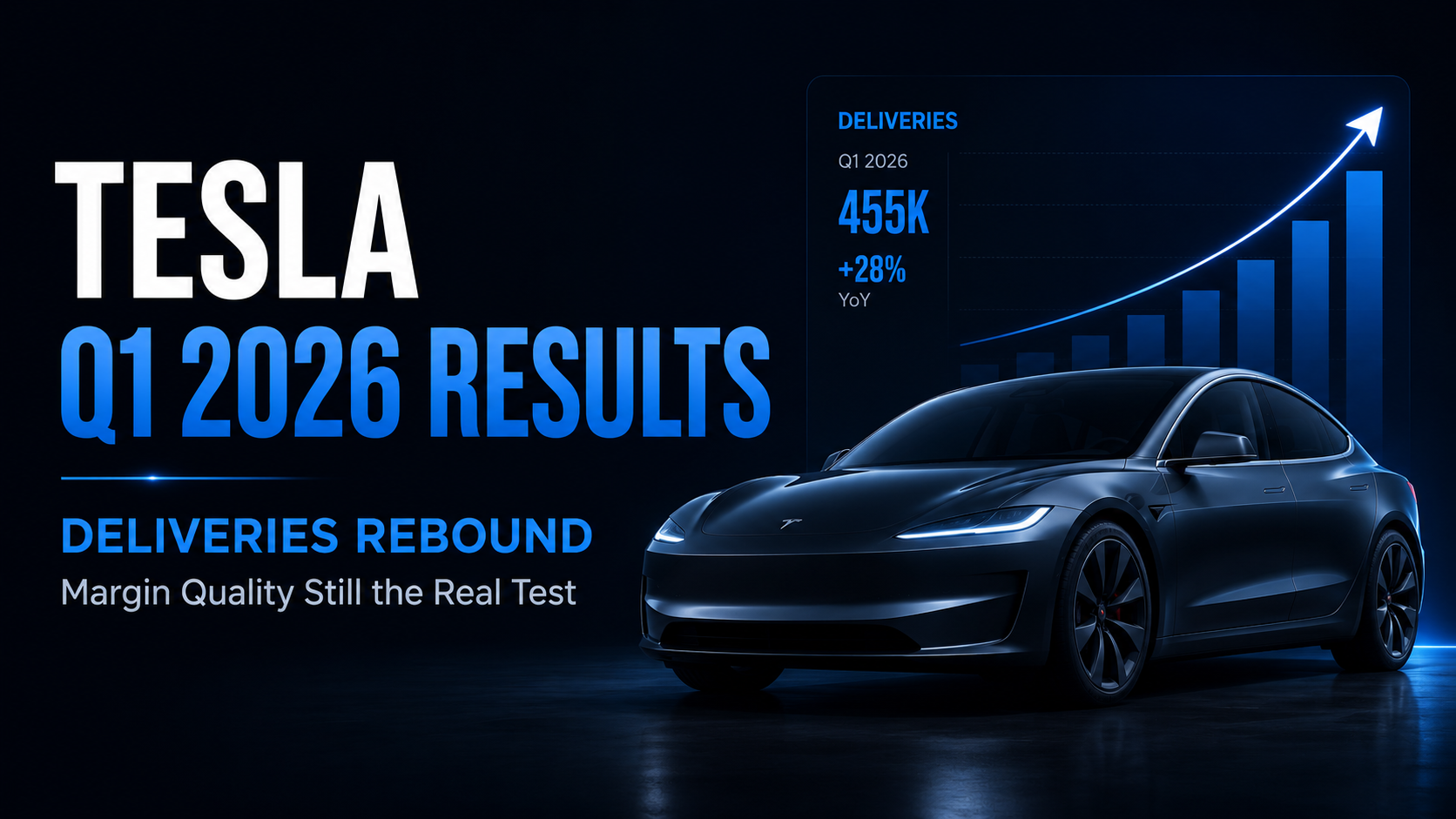
テスラ2026年第1四半期決算レビュー:納車台数は回復したが、真の課題は利益率の質
テスラは、2026年4月22日の米国市場閉場後に2026年第1四半期(Q1)の財務結果を発表しました。同四半期の納車台数は358,023台、総売上高は224億ドル、普通株主に帰属するGAAPベースの純利益は4億7,700万ドルを記録しました。全体のGAAP粗利益率は21.1%に改善し、営業利益率は4.2%に達しました。
ヘッドラインのシグナルは、テスラの納車台数が前年同期の弱い水準から単に回復したことだけではありません。より重要な疑問は、納車台数の増加、FSD関連の収益、車両コストの低下、および自動車部門の粗利益率の改善が、テスラの収益力に対する信頼を再構築できるかどうかです。次回のTSLA決算日を注目している投資家にとって、Q1はQ2に向けた重要なテストの場を提供しています。すなわち、販売台数の成長が持続可能でより質の高い収益に転換できるかという点です。
2026/07/09
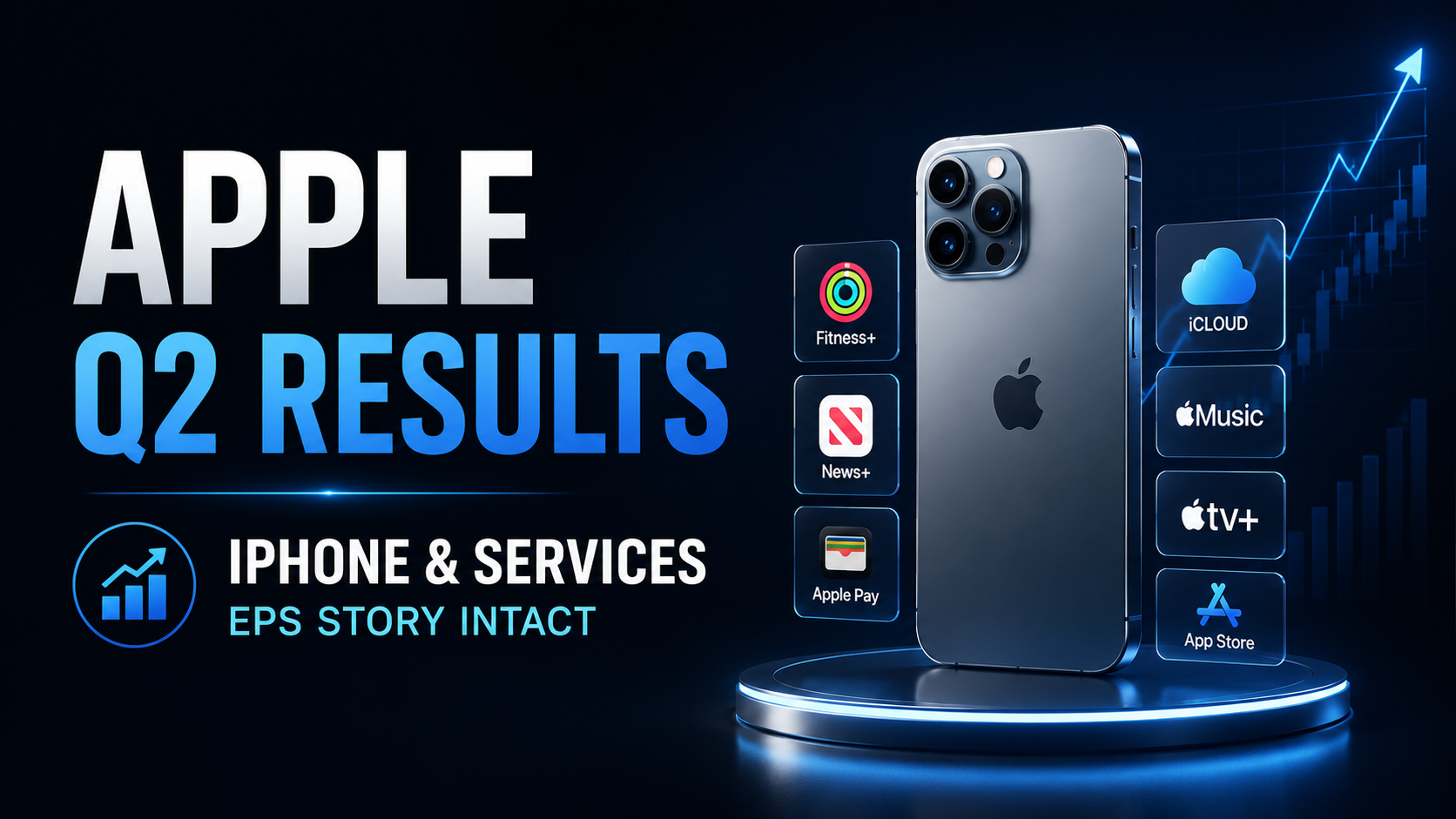
Apple 2026年度第2四半期決算レビュー:iPhoneの収益とサービスの成長がEPSのストーリーを維持
Appleは2026年4月30日、2026年3月28日に終了した四半期を対象とする2026年度第2四半期決算を発表しました。売上高は前年同期比17%増の1,112億ドルに達し、希薄化後1株当たり利益(EPS)は22%増の2.01ドルとなりました。Appleによると、当四半期は会社全体の総売上高、iPhone売上高、およびEPSにおいて3月期としての過去最高記録を樹立し、サービス部門の売上高も過去最高を更新しました。
この結果は、単なるハードウェアサイクルの決算報告に留まりません。Appleの第2四半期実績は、iPhone需要、サービス部門の成長、そして株主還元プログラムが三位一体となり、同社の力強いEPS成長ストーリーを強固に支え続けていることを実証しました。Appleの決算発表、AAPLの業績、あるいは次の決算発表時期を追う投資家にとって、第2四半期後の最大の焦点は、市場がより強力なAIの進展や製品サイクルの起爆剤を待つ間、Appleがそのプレミアムなバリュエーションを維持し防衛できるかどうかにあります。
2026/07/09


関連コンテンツ
ホット
現在、市場で大きな注目を集めているトレンドの暗号資産
暗号資産価格
取引高が最も多い暗号資産