Japanese Yen Extends Losses as Intervention Risks Loom Over Currency Markets
BitcoinWorld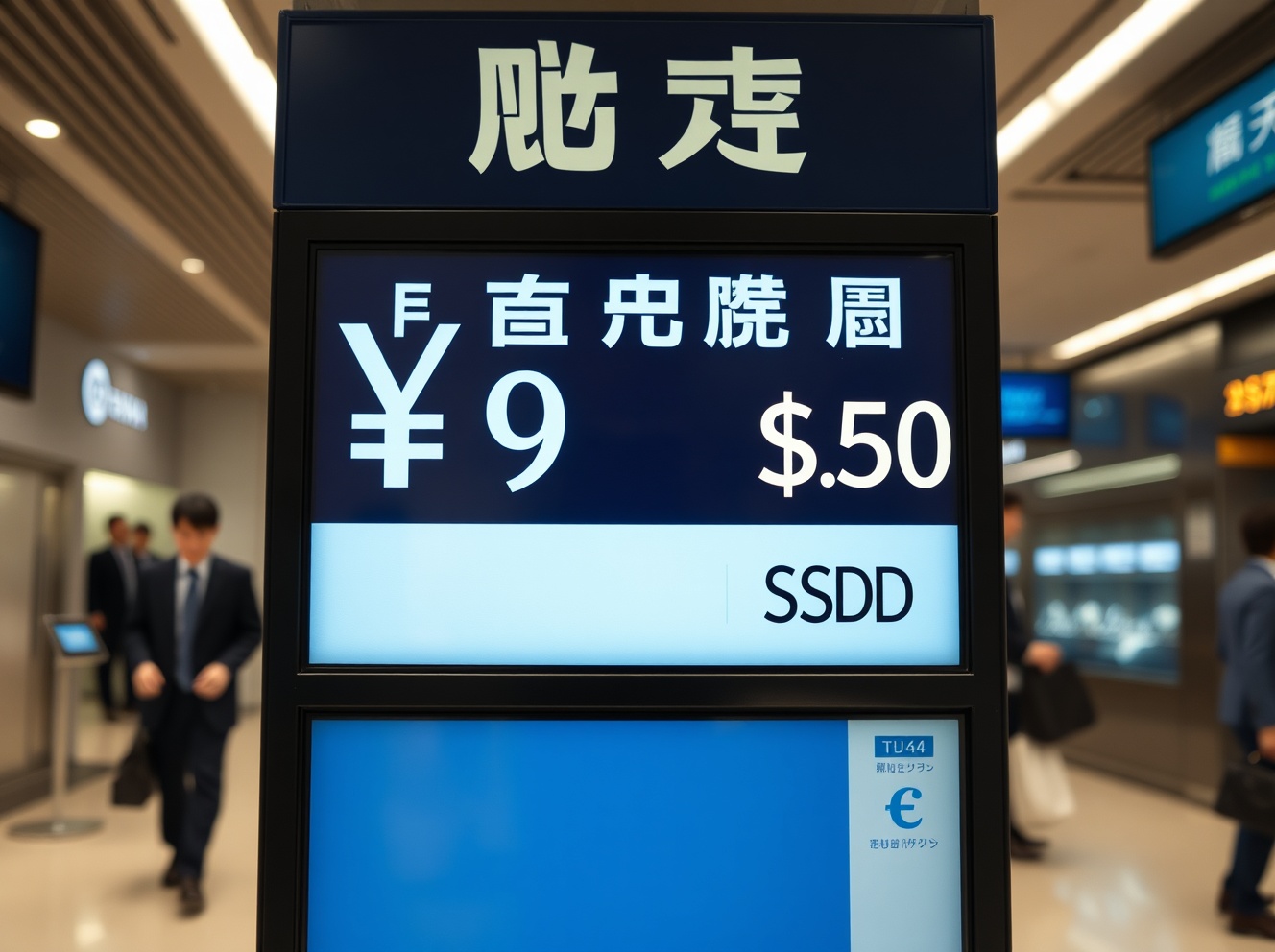
Japanese Yen Extends Losses as Intervention Risks Loom Over Currency Markets
The Japanese yen continued its downward slide against the US dollar during early Asian trading on Wednesday, extending recent losses even as market participants remained alert to the possibility of official intervention by Japanese authorities. The currency’s persistent weakness has drawn increased attention from traders and policymakers alike, with the dollar-yen pair edging closer to levels that previously triggered verbal warnings from Tokyo.
Yen Under Pressure Amid Wide Rate Differentials
The yen’s decline is largely driven by the sustained interest rate gap between Japan and the United States. While the Federal Reserve has maintained elevated interest rates to combat inflation, the Bank of Japan (BOJ) has kept its ultra-loose monetary policy intact, keeping Japanese yields low. This divergence encourages carry trades, where investors borrow yen at low rates to invest in higher-yielding dollar-denominated assets, further pressuring the currency.
Data from the Ministry of Finance shows that the yen has weakened more than 10% against the dollar over the past six months, a move that has raised concerns about imported inflation and the cost of raw materials for Japanese businesses. Finance Minister Shunichi Suzuki reiterated on Tuesday that authorities are watching currency moves closely and would take appropriate action against excessive volatility.
Intervention Risks Remain on the Table
Japan intervened in the currency market twice in 2022 to support the yen when it approached 150 per dollar. With the current exchange rate hovering near 149, traders are wary of a repeat scenario. However, the effectiveness of intervention remains debated. Previous interventions provided only temporary relief, and the underlying interest rate differential continues to exert downward pressure on the yen.
Market analysts note that the BOJ’s policy meeting later this month will be closely scrutinized for any hints of a shift away from negative interest rates. A change in policy could narrow the rate gap and provide support for the yen, but most economists expect the central bank to maintain its current stance for now.
What This Means for Traders and the Broader Economy
For forex traders, the yen’s trajectory hinges on both BOJ policy signals and US economic data. A stronger-than-expected US inflation report could reinforce the dollar’s strength, while any dovish tilt from the Fed might ease pressure on the yen. For Japanese consumers and businesses, a weaker yen raises the cost of imported goods, including energy and food, contributing to domestic inflation. Exporters, however, benefit from a weaker currency as it makes their products cheaper abroad.
The situation underscores the delicate balance facing Japanese policymakers: managing currency stability without derailing the country’s fragile economic recovery.
Conclusion
The Japanese yen’s extension of losses reflects persistent macroeconomic forces, primarily the wide interest rate differential between Japan and the United States. While intervention risks remain a key market factor, any official action would likely provide only short-term support without a fundamental shift in monetary policy. Traders and businesses should monitor the upcoming BOJ meeting and US economic data releases for clearer directional cues.
FAQs
Q1: Why is the Japanese yen weakening?
The yen is weakening primarily due to the wide interest rate gap between Japan and the US. The Federal Reserve’s high rates attract investors to dollar assets, while the Bank of Japan keeps rates low, encouraging carry trades that sell yen.
Q2: What is currency intervention and how does it work?
Currency intervention involves a central bank or finance ministry buying or selling its own currency in the foreign exchange market to influence its value. Japan has intervened in the past by selling dollars and buying yen to support the currency.
Q3: Could the Bank of Japan change its policy soon?
Most analysts expect the BOJ to maintain its ultra-loose policy at its upcoming meeting, but any hints of a future shift could provide support for the yen. A change in policy would likely require sustained inflation and wage growth.
This post Japanese Yen Extends Losses as Intervention Risks Loom Over Currency Markets first appeared on BitcoinWorld.


추천 콘텐츠

Moody’s Assigns First-Ever Rating to Bitcoin-Backed Municipal Bond in Historic Crypto Finance Move

Justice Department has 'gone off the rails' for Trump's 'pretzel logic': analysis