

TAXATION | Kenya Revenue Authority Seeking Identity, Transactions Reporting from Crypto Platforms to Widen Tax Revenue Base
The Kenya Revenue Authority (KRA) is seeking the identities of cryptocurrency traders as it steps up efforts to pursue tax cheats and widen its revenue base amid growing digital asset adoption in the country.
The Kenya Revenue Authority (KRA) is targeting crypto investors and traders whose transactions have largely remained outside the formal tax system, according to a local report. The move comes as the government intensifies scrutiny of digital financial activities to curb tax evasion and illicit financial flows.
KRA is reportedly seeking access to customer and transaction data from cryptocurrency exchanges and platforms operating in Kenya to identify individuals and firms that may have failed to declare income from digital asset trading.
The tax agency has in recent years expanded its use of data analytics and third-party information sharing to improve compliance and boost collections, particularly as pressure mounts on the government to increase domestic revenues.
Kenya remains one of Africa’s most active crypto markets, driven by high mobile money penetration and growing use of digital assets for trading, remittances and cross-border payments.
The renewed push signals tougher oversight for crypto users in the country even as policymakers continue discussions around formal regulation of the sector.
The move seems to coincide with other African and global tax authorities as they seek to close taxation evasion gaps among crypto asset holders under the Crypto-Asset Reporting Framework (CARF).
Nigeria has mandated crypto exchanges and service providers to collect and report their clients’ Tax Identification Numbers (TINs) and National Identification Numbers (NINs), expanding its identity tracing system to the crypto ecosystem.
Uganda and South Africa are also implementing nations starting in 2026.
According to the South Africa Reserve Bank, CARF standards would aid in keeping pace with the rapid development and growth of the crypto asset market. It aims to ensure that recent advances in global tax transparency are not gradually eroded.
According to the global standards, all nations are required to have implemented CARF requirements by 2028. Kenya’s recent move is a step in that direction as the nation seeks to be compliant with global standards in light of its listing on the FATF grey list.
Want to keep up with the latest news on crypto taxation and regulations across Africa?
Join our WhatsApp channel here.
Follow us on X for the latest posts and updates
Join and interact with our Telegram community
___________________________________________


추천 콘텐츠
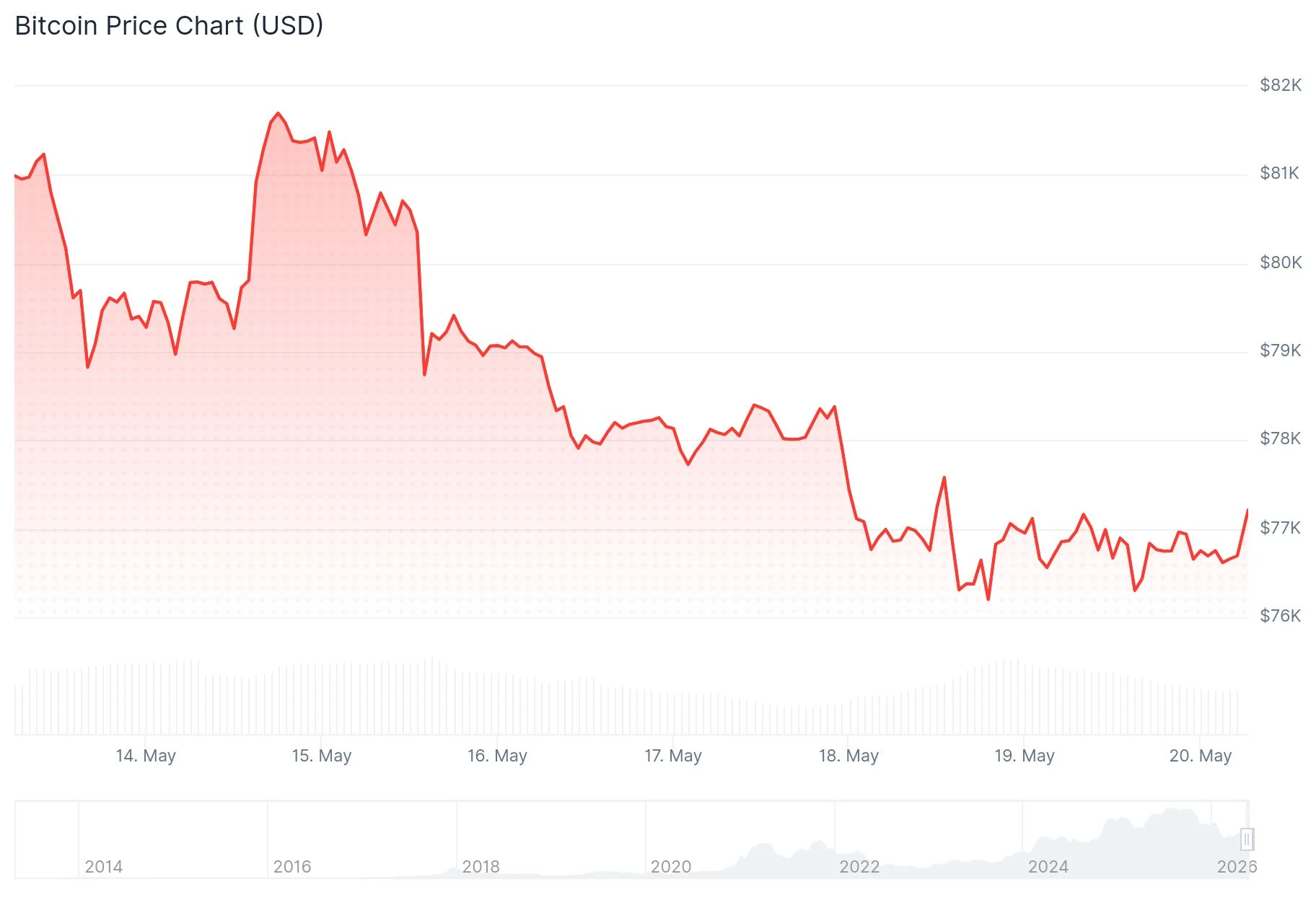
Bitcoin (BTC) Hovers Above $77K Amid Iran Diplomacy and Rising Treasury Yields

Beyond Cleaning: What Else You Must Check Before Moving Out




