Ronin Migrates to Layer 2 in Major Axie Infinity Upgrade
Ronin temporarily suspended network operations as part of a planned migration to a Layer 2 architecture through a hard fork upgrade. The downtime, which began on May 12, lasted approximately 10 hours and affected transactions, NFT transfers, and gaming activity across the ecosystem, including services connected to Axie Infinity.
The migration represents one of the most significant infrastructure changes for the gaming-focused blockchain network since its launch. During the transition, all network services were paused, requiring users and developers to wait until validators and infrastructure providers completed synchronization with the upgraded protocol.
Layer 2 technology is designed to improve blockchain efficiency by processing transactions outside the primary blockchain before settling them back onchain. This approach generally allows networks to handle significantly higher transaction volumes while reducing transaction fees and network congestion.
Ronin’s migration to a Layer 2 framework is intended to improve transaction speed, scalability, and cost efficiency for blockchain gaming applications and NFT-based ecosystems.
Scalability Pressures Drive Infrastructure Shift
The move comes as blockchain gaming platforms continue facing scalability challenges linked to the high number of small transactions generated by gaming ecosystems. Networks supporting in-game purchases, reward claims, NFT trading, and token transfers often require much higher throughput than traditional decentralized finance platforms.
Ronin originally launched as an Ethereum sidechain built to support Axie Infinity’s rapidly growing player base. At its peak in 2021, the game attracted millions of daily users who relied on the network for buying, selling, and breeding NFT-based digital creatures known as Axies. Players also used the network to manage in-game tokens such as Smooth Love Potion and Axie Infinity Shards.
The company indicated that the migration was necessary to maintain performance as gaming activity and decentralized application usage continue evolving. Industry analysts noted that Layer 2 infrastructure has increasingly become the preferred solution for projects seeking lower transaction costs and faster execution speeds compared to Ethereum’s base layer.
Although Ronin did not disclose exact projections regarding fee reductions, Layer 2 systems typically reduce transaction costs substantially when compared with Layer 1 blockchain operations.
Hard Fork Approach Carries Technical Risks
Unlike gradual migration methods adopted by some blockchain projects, Ronin implemented the transition through a full hard fork. This meant that nodes operating on older software versions would no longer recognize the upgraded network after the transition.
As a result, validators and infrastructure providers were required to fully update their systems during the scheduled downtime window. The network reportedly chose a complete cutover strategy to avoid fragmentation or synchronization issues that could emerge during phased migrations.
The hard fork migration required a complete network shutdown, with all validators and infrastructure providers updating simultaneously to prevent chain fragmentation and operational conflicts.
Ronin did not publicly specify which Layer 2 framework powers the new infrastructure, leaving uncertainty regarding whether the network relies on technologies associated with ecosystems such as Optimism, Arbitrum, or zk-based scaling systems.
Industry observers noted that hard fork migrations carry inherent risks, particularly when large gaming ecosystems and digital asset infrastructures depend on uninterrupted network functionality. Even minor software issues during the upgrade process could potentially extend downtime or force rollback procedures.
Security History Adds Additional Scrutiny
The migration also attracted heightened attention because of Ronin’s security history. In 2022, the network suffered one of the largest decentralized finance attacks in the industry after hackers stole more than $600 million in digital assets. Although the ecosystem later recovered, the incident significantly impacted user confidence and security perceptions surrounding the platform.
Ronin emphasized that the current downtime was planned infrastructure maintenance rather than an emergency response. However, some users reportedly remained cautious because of the network’s previous operational challenges.
Meanwhile, the migration reflects a broader industry trend as blockchain projects increasingly adopt Layer 2 technologies to improve efficiency. Networks such as Polygon, Arbitrum, and Optimism have all experienced substantial growth as developers seek alternatives to Ethereum’s higher transaction costs.
The success of Ronin’s Layer 2 migration could play an important role in restoring momentum to Axie Infinity and strengthening blockchain gaming infrastructure for future growth.
The post Ronin Migrates to Layer 2 in Major Axie Infinity Upgrade appeared first on CoinTrust.


추천 콘텐츠
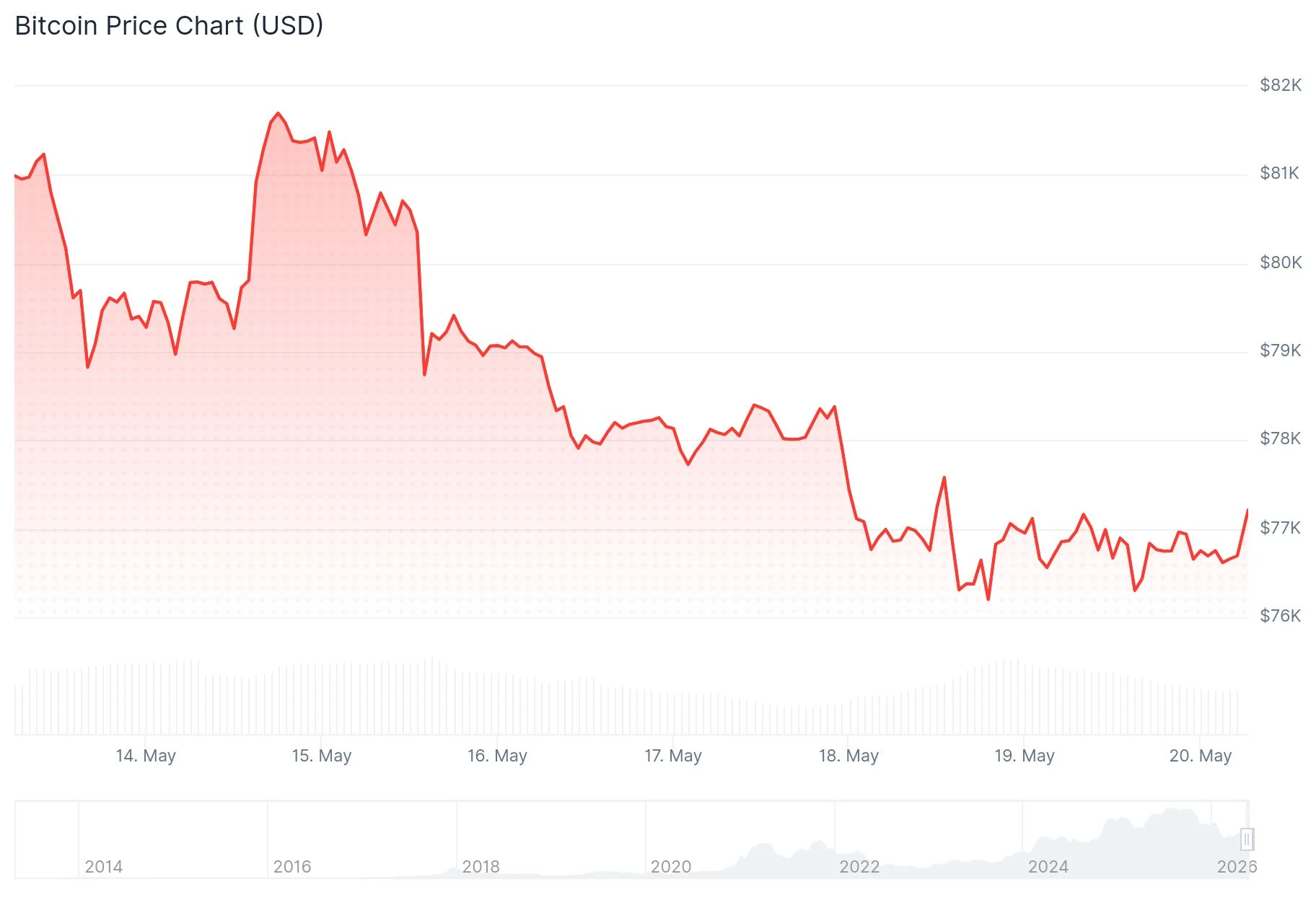
Bitcoin (BTC) Hovers Above $77K Amid Iran Diplomacy and Rising Treasury Yields

Beyond Cleaning: What Else You Must Check Before Moving Out