Indian Rupee Slumps to Record Low as Crude Oil Rally Adds Pressure
BitcoinWorld
Indian Rupee Slumps to Record Low as Crude Oil Rally Adds Pressure
The Indian rupee weakened to a fresh all-time low against the US dollar on Tuesday, breaching the 83.80 mark in early trading, as sustained strength in global crude oil prices and a robust US dollar weighed on the domestic currency. The currency’s slide marks a continuation of the depreciation trend seen over recent months, driven by a combination of external headwinds and domestic macroeconomic pressures.
What’s Driving the Rupee’s Decline?
The primary catalyst for the latest leg of weakness is the sustained rally in crude oil prices. India, the world’s third-largest oil importer, is acutely sensitive to rising energy costs. Brent crude futures have climbed above $90 per barrel, stoking concerns about a widening trade deficit and higher import inflation. A higher oil import bill directly increases demand for US dollars, putting downward pressure on the rupee.
Adding to the pressure, the US dollar index (DXY) has remained elevated near multi-month highs, supported by hawkish signals from the Federal Reserve and resilient US economic data. A stronger dollar makes emerging market currencies like the rupee less attractive to foreign investors.
Foreign portfolio outflows from Indian equity and debt markets have also accelerated this quarter. According to exchange data, foreign investors have pulled out over $3 billion from Indian markets since the start of April, further straining the rupee’s balance of payments position.
RBI Intervention and Market Expectations
The Reserve Bank of India (RBI) is widely believed to have intervened through state-run banks to prevent a sharper fall. Traders reported dollar-selling by public sector banks at key support levels, a typical pattern of central bank intervention aimed at curbing volatility. However, the RBI’s ability to defend a specific level is limited by the scale of global capital flows and the pace of dollar demand.
Market participants expect the rupee to trade in a wide range in the coming sessions, with the next psychological support level seen at 84.00 against the dollar. A sustained breach above that level could trigger further depreciation, analysts warn.
Impact on Consumers and Businesses
The rupee’s depreciation has tangible effects on the broader economy. Import-dependent sectors such as electronics, machinery, and chemicals face higher input costs, which could squeeze profit margins. For consumers, a weaker rupee translates into more expensive imported goods, including smartphones, laptops, and medical equipment. Fuel prices, while partially shielded by government taxation, remain vulnerable to further increases if crude stays elevated.
On the positive side, export-oriented sectors such as IT services, pharmaceuticals, and textiles stand to benefit from a weaker rupee, as their earnings in dollars become more valuable when converted to rupees. However, the net impact on the economy is generally negative, given India’s large import bill.
Conclusion
The Indian rupee’s slide to a fresh all-time low underscores the vulnerability of emerging market currencies to global commodity price shocks and US dollar strength. While the RBI’s intervention may slow the pace of depreciation, structural factors — including the country’s dependence on oil imports and persistent foreign outflows — suggest the pressure is unlikely to ease quickly. Investors and businesses should brace for continued volatility in the currency markets in the near term.
FAQs
Q1: Why does the Indian rupee fall when crude oil prices rise?
India imports over 85% of its crude oil requirements. When global oil prices increase, India needs to buy more US dollars to pay for the same volume of oil. This higher demand for dollars pushes the rupee down.
Q2: Can the RBI prevent the rupee from falling further?
The RBI can intervene by selling dollars from its reserves to support the rupee, but this has limits. If global pressures are strong and sustained, the RBI can only manage the pace of depreciation, not prevent it entirely.
Q3: How does a weaker rupee affect the common person?
A weaker rupee makes imported goods more expensive, including electronics, machinery, and fuel. It can also increase inflation if companies pass on higher costs to consumers. However, it can benefit workers sending remittances from abroad, as they get more rupees for their dollars.
This post Indian Rupee Slumps to Record Low as Crude Oil Rally Adds Pressure first appeared on BitcoinWorld.


추천 콘텐츠

PMI-ACP Exam Preparation: How to Use a Simulator and Practice Questions Effectively
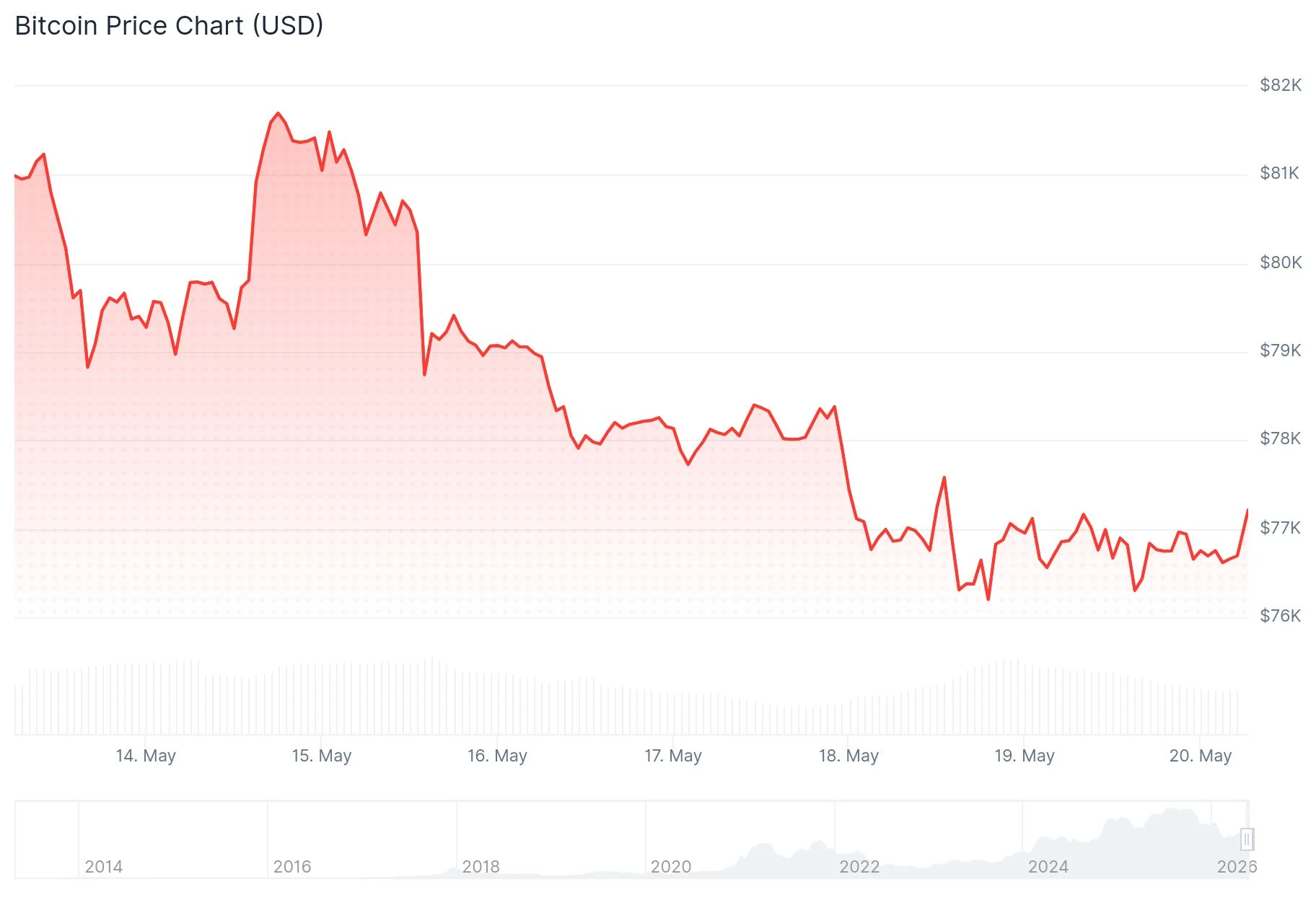
Bitcoin (BTC) Hovers Above $77K Amid Iran Diplomacy and Rising Treasury Yields