Europe’s €200B EV bet runs into a policy fight over its future
European nations have pledged close to €200 billion to build up their electric vehicle industry. But new research warns that backing away from climate targets could waste much of that investment and cost hundreds of thousands of jobs.
Research group New Automotive released figures Tuesday showing countries across the European Economic Area and Switzerland have committed roughly €200 billion, about $235 billion, to developing their electric car infrastructure.
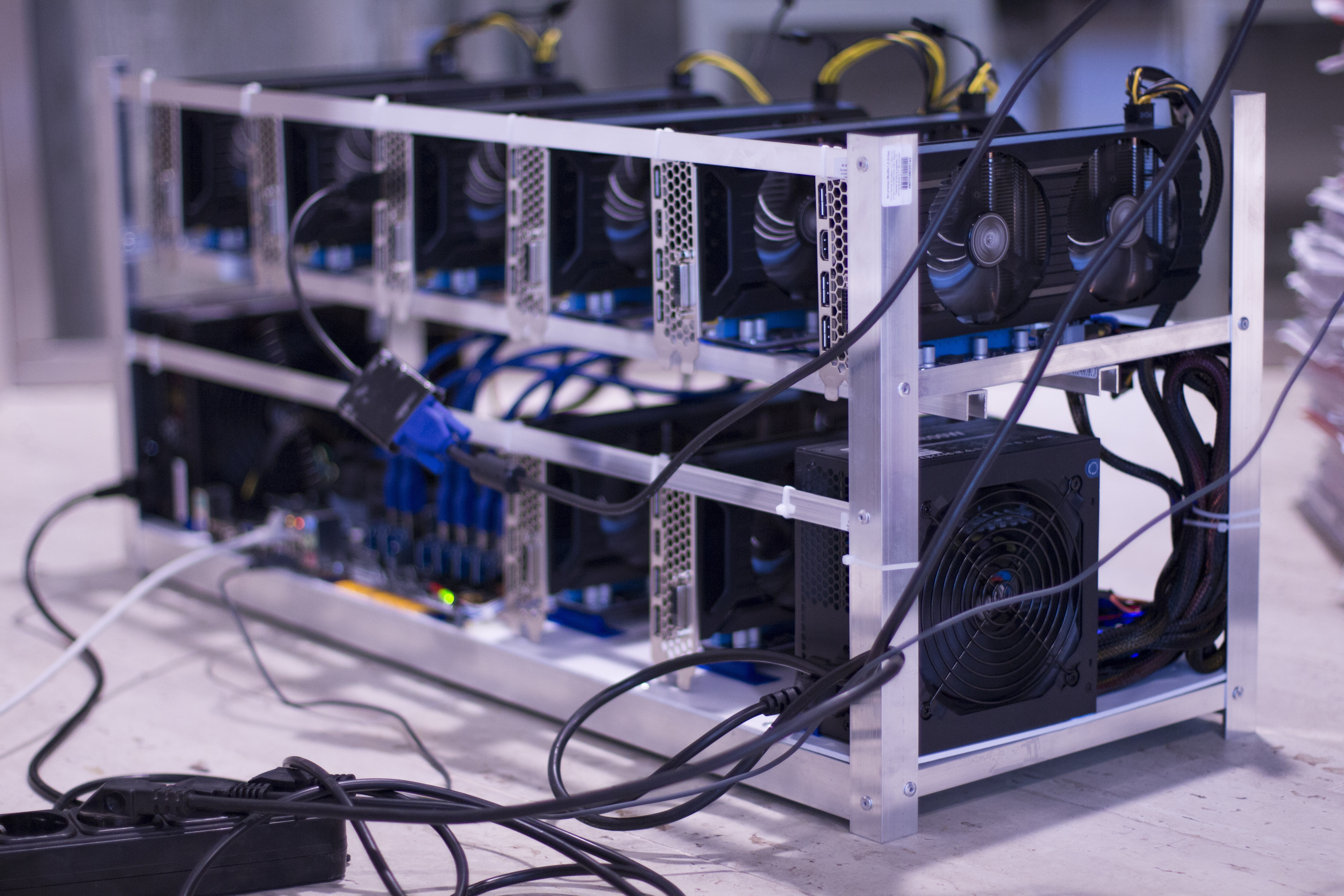
The massive spending reflects European efforts to cut dependence on China, which the International Energy Agency says made more than 80 percent of the world’s batteries last year.
The breakdown shows €109 billion going toward battery production and supply chains, €60 billion for electric vehicle manufacturing, and between €23 billion and €46 billion for public charging stations. Over a million public charging points are already up and running.
Europe now makes batteries for about one out of every three electric cars sold within its borders, New Automotive noted. Planned production capacity could satisfy future needs if everything gets built as announced.
Germany has emerged as the biggest player, taking nearly a quarter of all investments. New Automotive called the country the backbone of Europe’s electric vehicle sector. It hosts major automakers shifting their production lines while also attracting large international battery companies.
Campaign group E-Mobility Europe calculated that existing investments already support more than 150,000 jobs. If all proposed projects move forward, that could jump to 450,000 jobs total.
But analysts say Europe will need government subsidies, trade protections, and lower energy costs to compete globally.
Weakened targets could cut production in half
A separate study by T&E warns that further weakening emission rules could seriously damage the industry’s future.
The analysis looks at what researchers call the “industrial opportunity cost” of various proposals to relax EU carbon dioxide limits for cars.
Battery-powered cars have become the driving force of the global auto industry, attracting most new investment and product launches from China to Chile. If Europe can anchor electric car manufacturing within its territory, batteries and key components included, it could rebuild its industrial strength and create economic value and jobs.
The study looked at keeping current carbon rules, adopting the Commission’s proposal, or accepting weaker targets pushed by automakers.
Under the auto industry’s preferred scenario, electric car production in 2030 would drop to 3.7 million vehicles. That’s half the 7.4 million projected under current rules. The Commission’s proposal would cut production to 5.7 million, a 23 percent reduction.
By 2035, current policies would lead to around 15 million electric cars being built in Europe. The Commission’s plan would reduce that to 10 million. The industry’s position would slash it to just 7 million.
Battery factories and jobs at stake
The battery sector would take a major hit. The auto industry’s amendments would prevent the equivalent of 34 Northvolt-sized battery factories from being built by 2030, resulting in up to 47,000 lost jobs.
Manufacturing of cathodes, the most valuable battery component, would also suffer. Strong rules could allow local production to cover over two-thirds of European needs by 2030. Under the industry’s preferred approach, only five projects would likely survive, meeting just 10 percent of projected demand.
The study calculated that adopting industry amendments would waste €50 billion on oil imports. Ambitious carbon targets could eliminate the need for 2 billion barrels of oil by 2035. Battery dependency would be just 7 percent compared to 96 percent for oil, since batteries can be made and recycled locally.
If you're reading this, you’re already ahead. Stay there with our newsletter.


추천 콘텐츠

Rheumatoid Arthritis Columbus: Personalized Treatment From Local Rheumatology Specialists

Australian Dollar Dips Below 0.7100 as Middle East Tensions Weigh on Risk Sentiment