

Must Read
HISTORY THOUGHTS. Mindanao State University history professor Tirmizy Abdullah (right) shares his thoughts about the Battle of Bayang which took place over a centuryHISTORY THOUGHTS. Mindanao State University history professor Tirmizy Abdullah (right) shares his thoughts about the Battle of Bayang which took place over a century
124 years after the Battle of Bayang, the Moro struggle continues
이 콘텐츠에 대한 의견이나 우려 사항이 있으시면 [email protected]으로 연락주시기 바랍니다
LANAO DEL SUR, Philippines – Every May, the town of Bayang in Lanao del Sur remembers “Padang Karbala,” the two-day battle in 1902 that marked the opening chapter of the Moro-American war and left hundreds of Meranaw fighters dead on the shores of Lake Lanao.
More than a century later, the anniversary has become more than a remembrance of colonial violence; for many in the Bangsamoro, it is also a measure of how far the peace process in the Muslim majority region has yet to go in confronting historical injustice, political exclusion and the unfinished demands of Moro self-determination.
As the Bangsamoro Autonomous Region in Muslim Mindanao (BARMM) prepares for its first parliamentary regional elections this September, questions over representation, transitional justice and historical memory continue to shadow the region’s transition to self-rule.
Historical hangover
The Battle of Bayang, also known as Padang Karbala, took place on May 2-3, 1902, in Bayang, Lanao del Sur. Remembered as the “fiercest and bloodiest battle” in American colonial history in the Philippines, it marked the beginning of the Moro-American war from 1902 to 1915.
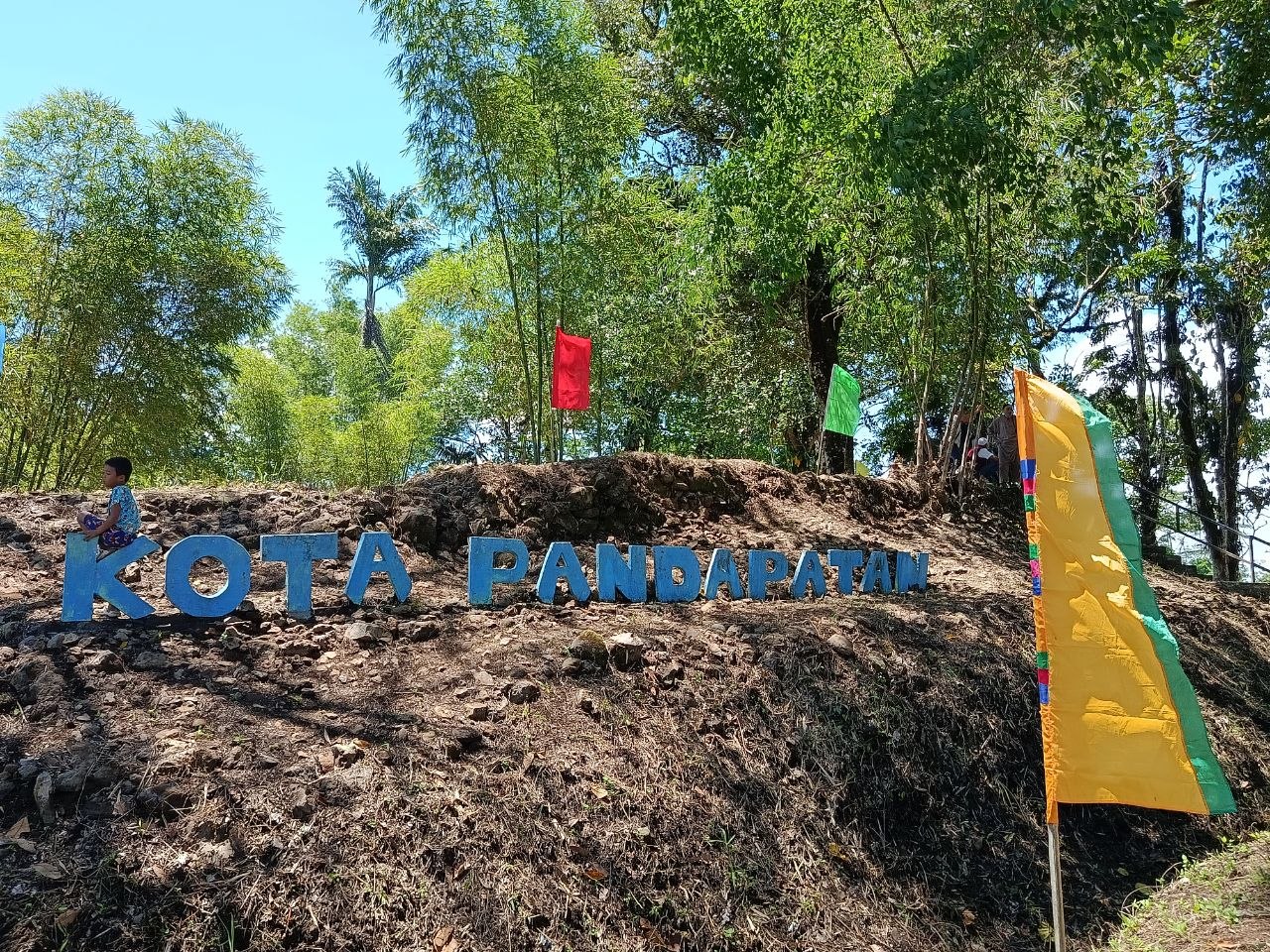 FORT Pandapatan named after the Sultan of Bayang in Lanao del Sur. Abdul Hafiz Malawani/Rappler
Although Mindanao was never fully colonized by Spain, it was included in the 1898 Spanish-American peace treaty that transferred control of the Philippines to the United States.
American forces later pushed military expeditions into Moro territories under programs meant to “civilize” communities, disregarding long-standing Moro resistance against foreign rule.
Several guerrilla attacks by Bayang fighters enraged American forces and exhausted diplomatic efforts with the Sultan of Bayang.
In retaliation, the 27th Infantry Regiment led by Colonel Frank Baldwin marched to Lake Lanao to confront the Sultan of Bayang in a battle that lasted two days. It marked their first major armed engagement with the Moros.
The battle was named Padang Karbala after the Battle of Karbala in Iraq in 680 CE – the martyrdom of Prophet Muhammad’s grandson Hussayn against his enemies. The remains of hundreds of Meranaw men sprawled on the sacred grounds of Bayang at Fort Pandapatan.
Commemoration
Last May 2, Padang Karbala was commemorated on its 124th anniversary in the municipality of Bayang where, each year, the heroic defense of Meranaw guerrillas against colonial rulers is remembered through activities such as reenactments.
“The lessons of Padang Karbala should not only be remembered, but also lived,” Meranaw youth leader Abdul Asmana Umpat told Rappler.
Many Meranaws take great pride in Padang Karbala, particularly the people of Bayang as direct descendants. But the weight of preserving that legacy remains heavy for communities that continue to grapple with the consequences of colonial rule.
For Umpat, who grew up in Bayang, resistance did not end with the battle. Promoting Moro consciousness, he said, also means embracing social responsibility.
“Sadly, the values of our forefathers are not immortalized, as colonial mentality prevailed over our shared identity,” he emphasized.
The war against American occupation ended in 1915, paving the way for integration policies that pushed Moros to identify as Filipinos before the Philippines gained full independence in 1946.
Symbolic justice
Over the decades, Muslims in Mindanao, once the majority, became the minority. A renewed Moro resistance movement in 1972 later reshaped the struggle for self-rule and led to a series of peace agreements with the Philippine government.
Twelve years after the signing of the 2014 Comprehensive Agreement on the Bangsamoro, efforts toward transitional justice began in 2021. Only in 2026 was a law passed addressing historical injustices dating back to the American colonial period.
“The peace process in Muslim Mindanao advances without true healing,” said Mindanao State University history professor Tirmizy Abdullah.
Addressing atrocities, Abdullah explained, requires swift institutional reforms, truth-seeking, reparations and guarantees of non-recurrence.
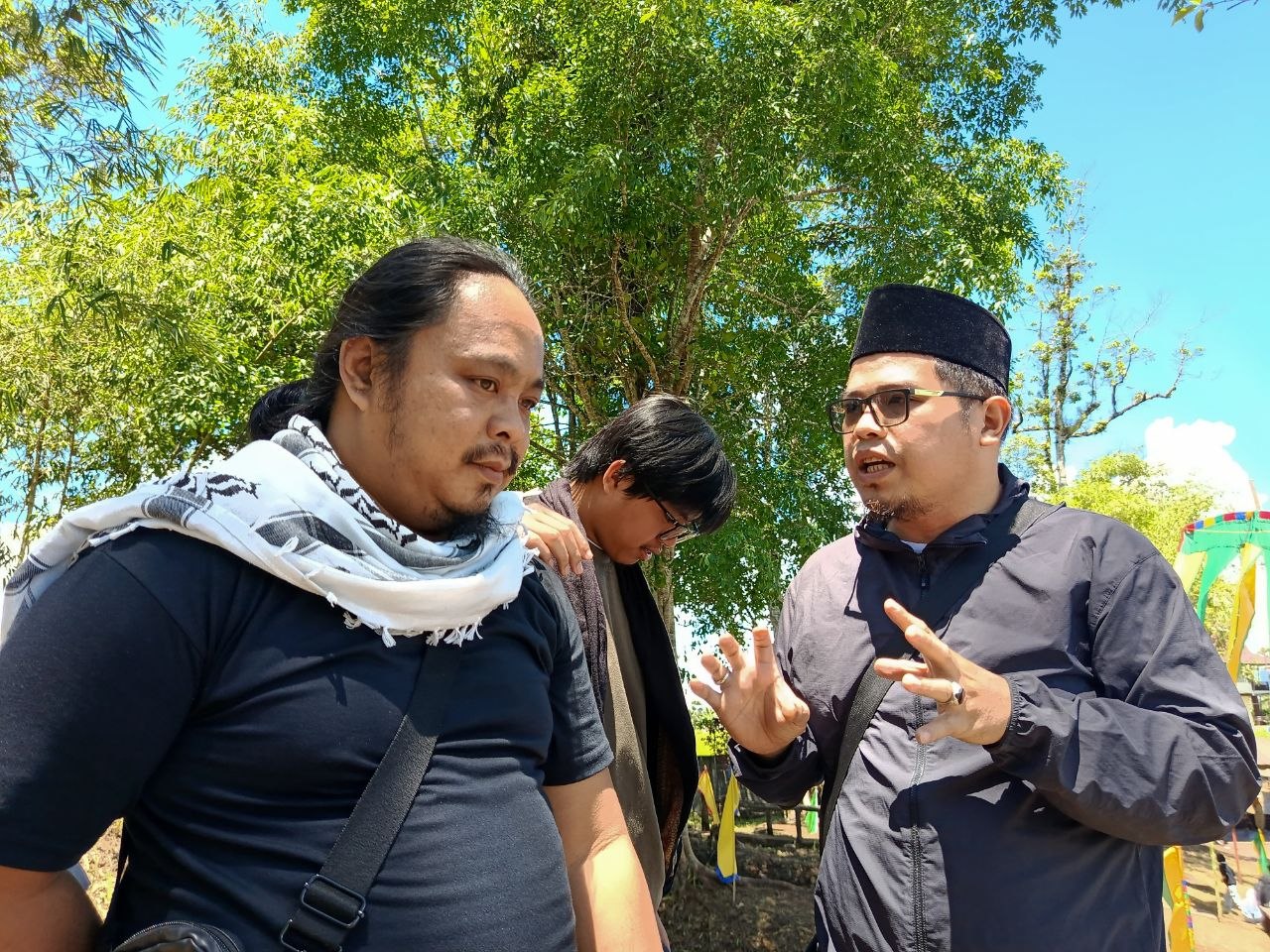 HISTORY THOUGHTS. Mindanao State University history professor Tirmizy Abdullah (right) shares his thoughts about the Battle of Bayang which took place over a century ago in Lanao del Sur. Abdul Hafiz Malawani/Rappler
The Bangsamoro Transitional Justice and Reconciliation Commission was established last January, nearly seven months before the parliamentary elections, as the transition period nears its end.
“Ironically, our local leaders turned into self-serving politicians and placed power above all else,” said Umpat.
Many of the same figures are now seeking parliamentary seats under entrenched political dynasties. Across the Bangsamoro region, calls for transformational leaders capable of delivering justice and dignity continue to rise from the grassroots.
Decades of resistance against colonial and authoritarian rule cost thousands of lives, while unresolved injustices created lasting intergenerational wounds.
From foreign invasions, compounded by later integration policies under the Philippine government, the Moro struggle for genuine autonomy has endured – and so too has the demand for meaningful and dignified justice. – Rappler.com


면책 조항: 본 사이트에 재게시된 글들은 공개 플랫폼에서 가져온 것으로 정보 제공 목적으로만 제공됩니다. 이는 반드시 MEXC의 견해를 반영하는 것은 아닙니다. 모든 권리는 원저자에게 있습니다. 제3자의 권리를 침해하는 콘텐츠가 있다고 판단될 경우, [email protected]으로 연락하여 삭제 요청을 해주시기 바랍니다. MEXC는 콘텐츠의 정확성, 완전성 또는 시의적절성에 대해 어떠한 보증도 하지 않으며, 제공된 정보에 기반하여 취해진 어떠한 조치에 대해서도 책임을 지지 않습니다. 본 콘텐츠는 금융, 법률 또는 기타 전문적인 조언을 구성하지 않으며, MEXC의 추천이나 보증으로 간주되어서는 안 됩니다.
추천 콘텐츠

US missionary who contracted Ebola is on his way to Germany
BUDDING. A digitally colorized scanning electron micrograph depiction shows numerous filamentous Ebola virus particles in green, budding from a chronically infected
공유하기
Rappler2026/05/20 08:42

B2i Digital Named Official Marketing Partner for Centurion One Capital’s Miami Summit
B2i Digital partners with Centurion One Capital as Official Marketing Partner for the Miami Summit, connecting growth-stage issuers with institutional investors
공유하기
Citybuzz2026/05/20 07:33

Talaria Triple X: What Makes It Unique?
Introductions The Talaria Triple X is a rising star model that has raised quite a buzz in the electric bike market due to its distinctive features
공유하기
Techbullion2026/05/20 08:46



