US Weighs “Operation Sledgehammer” Name if Iran Ceasefire Collapses
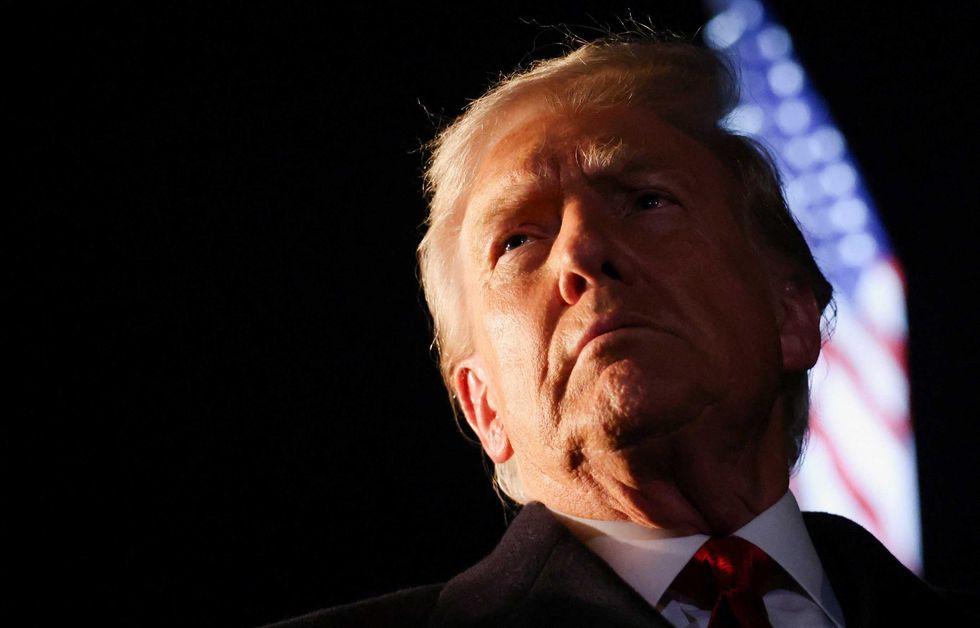
White House officials are reportedly considering a new designation, “Operation Sledgehammer,” for potential renewed US military operations against Iran if the current ceasefire collapses and large-scale combat resumes under former President Donald Trump.
The development has been reported amid growing uncertainty over the durability of the ceasefire agreement and increasing speculation about the possibility of renewed military escalation in the region.
According to officials cited in reporting, the proposed naming structure could play a role in how any renewed conflict is legally and politically framed within the United States.
Potential Legal and Political Implications of Renaming
One of the most notable aspects of the reported plan is its potential legal and constitutional implications.
Under US war powers regulations, the timing and classification of military operations can influence how long a president may engage in armed conflict without explicit congressional authorization.
The reported concept behind renaming the operation would be to reset the “war clock,” effectively allowing a new 60-day operational window for military action without requiring immediate congressional approval.
If implemented, this approach could become a significant point of legal and political debate in Washington, particularly among lawmakers concerned about executive authority in military engagements.
Ceasefire Stability Remains Uncertain
The discussion of a potential new operation name comes at a time when the stability of the Iran ceasefire remains uncertain.
Diplomatic and military analysts have warned that ceasefires in the region have historically been fragile, often breaking down due to escalating tensions or unexpected incidents.
If the ceasefire were to collapse, the United States could face renewed pressure to respond militarily, depending on the nature of any developments on the ground.
The possibility of renewed conflict has already heightened geopolitical risk perceptions across global markets and diplomatic circles.
Historical Reference: WWII-Era “Operation Sledgehammer”
The name “Operation Sledgehammer” carries historical significance, originally referring to a World War II-era Allied contingency plan developed in 1942.
The original plan was intended as a potential invasion strategy for Allied forces targeting Nazi-occupied France.
However, military historians note that the plan was considered highly risky and ultimately deemed too dangerous to execute.
It was never carried out and remained an emergency contingency option rather than an active military operation.
The reuse of the name in a modern geopolitical context adds symbolic weight to the current discussion, particularly given its historical association with large-scale military escalation planning.
Strategic Messaging and Military Branding
Military operation names are often carefully selected to convey strategic messaging, both domestically and internationally.
Such names can influence public perception, political framing, and historical interpretation of military actions.
In this case, the reported consideration of “Operation Sledgehammer” suggests a potentially aggressive framing of any renewed US military engagement with Iran.
 |
| Source: Xpost |
Analysts note that naming conventions can sometimes be used to shape narrative positioning around conflict escalation or deterrence strategies.
Congressional War Powers Debate Intensifies
The reported discussion also intersects with ongoing debates in the United States over presidential war powers and congressional oversight.
Under existing US law, presidents can initiate military operations but are generally required to seek congressional authorization for extended engagements beyond a limited timeframe.
The idea of resetting operational timelines through reclassification of military actions could become a contentious legal issue if ever implemented.
Lawmakers from both major political parties have previously expressed concerns about executive overreach in military decision-making.
Regional Tensions Continue to Shape US Policy
US policy toward Iran continues to be shaped by broader regional tensions, including security concerns, nuclear negotiations, and proxy conflicts in the Middle East.
Any escalation in military activity would likely have wide-ranging implications for regional stability, energy markets, and international diplomacy.
The situation remains highly sensitive, with global stakeholders closely monitoring developments for signs of escalation or de-escalation.
Even speculative discussions around potential operations can influence market sentiment and geopolitical risk assessments.
Historical Parallels and Strategic Symbolism
The revival of a World War II-era operation name in modern military planning discussions has drawn attention from historians and analysts alike.
Such historical references are often used to evoke strategic seriousness or contingency readiness, particularly in high-stakes geopolitical scenarios.
However, the original “Operation Sledgehammer” was never executed, highlighting its role as a theoretical emergency plan rather than an operational directive.
Its reappearance in contemporary discourse underscores the symbolic weight that historical military terminology can carry in modern policy discussions.
Global Markets Monitor Geopolitical Risk Closely
Financial markets typically react quickly to signals of potential military escalation, particularly in regions as strategically important as the Middle East.
Energy markets, in particular, are highly sensitive to developments involving Iran due to its role in global oil supply routes.
Equity markets and digital assets also tend to respond to shifts in geopolitical risk sentiment, with investors adjusting portfolios based on perceived stability or instability.
As a result, even unconfirmed reports of potential military operations can contribute to increased market volatility.
Diplomatic Pathways Still in Focus
Despite speculation around potential military planning, diplomatic channels remain a central focus of international efforts to manage tensions involving Iran.
Negotiations, ceasefire monitoring, and regional diplomacy continue to play a critical role in preventing escalation.
Global powers are expected to remain engaged in efforts to maintain stability and avoid a return to large-scale conflict.
The outcome of these diplomatic efforts may ultimately determine whether contingency planning transitions into operational reality.
Conclusion
Reports that White House officials are considering the name “Operation Sledgehammer” for potential renewed US military action against Iran highlight the complex intersection of military planning, legal frameworks, and geopolitical strategy.
While the ceasefire remains in place, uncertainty persists over its durability and the potential consequences of any breakdown.
The discussion underscores broader debates over presidential war powers, historical symbolism in military operations, and the fragile nature of regional stability in the Middle East.
hoka.news – Not Just Crypto News. It’s Crypto Culture.
Writer @Victoria
Victoria Hale is a writer focused on blockchain and digital technology. She is known for her ability to simplify complex technological developments into content that is clear, easy to understand, and engaging to read.
Through her writing, Victoria covers the latest trends, innovations, and developments in the digital ecosystem, as well as their impact on the future of finance and technology. She also explores how new technologies are changing the way people interact in the digital world.
Her writing style is simple, informative, and focused on providing readers with a clear understanding of the rapidly evolving world of technology.
Disclaimer:
The articles on HOKA.NEWS are here to keep you updated on the latest buzz in crypto, tech, and beyond—but they’re not financial advice. We’re sharing info, trends, and insights, not telling you to buy, sell, or invest. Always do your own homework before making any money moves.
HOKA.NEWS isn’t responsible for any losses, gains, or chaos that might happen if you act on what you read here. Investment decisions should come from your own research—and, ideally, guidance from a qualified financial advisor. Remember: crypto and tech move fast, info changes in a blink, and while we aim for accuracy, we can’t promise it’s 100% complete or up-to-date.
Stay curious, stay safe, and enjoy the ride! hokanews.com


추천 콘텐츠

The Chemistry of UV Resistance: How Titanium Dioxide Protects Against the California Sun

Top Line plans Cebu energy complex to boost storage capacity