

ECB’s Lane: Current Energy Shock Unfolds in Less Demand-Supportive Environment Than 2022
BitcoinWorld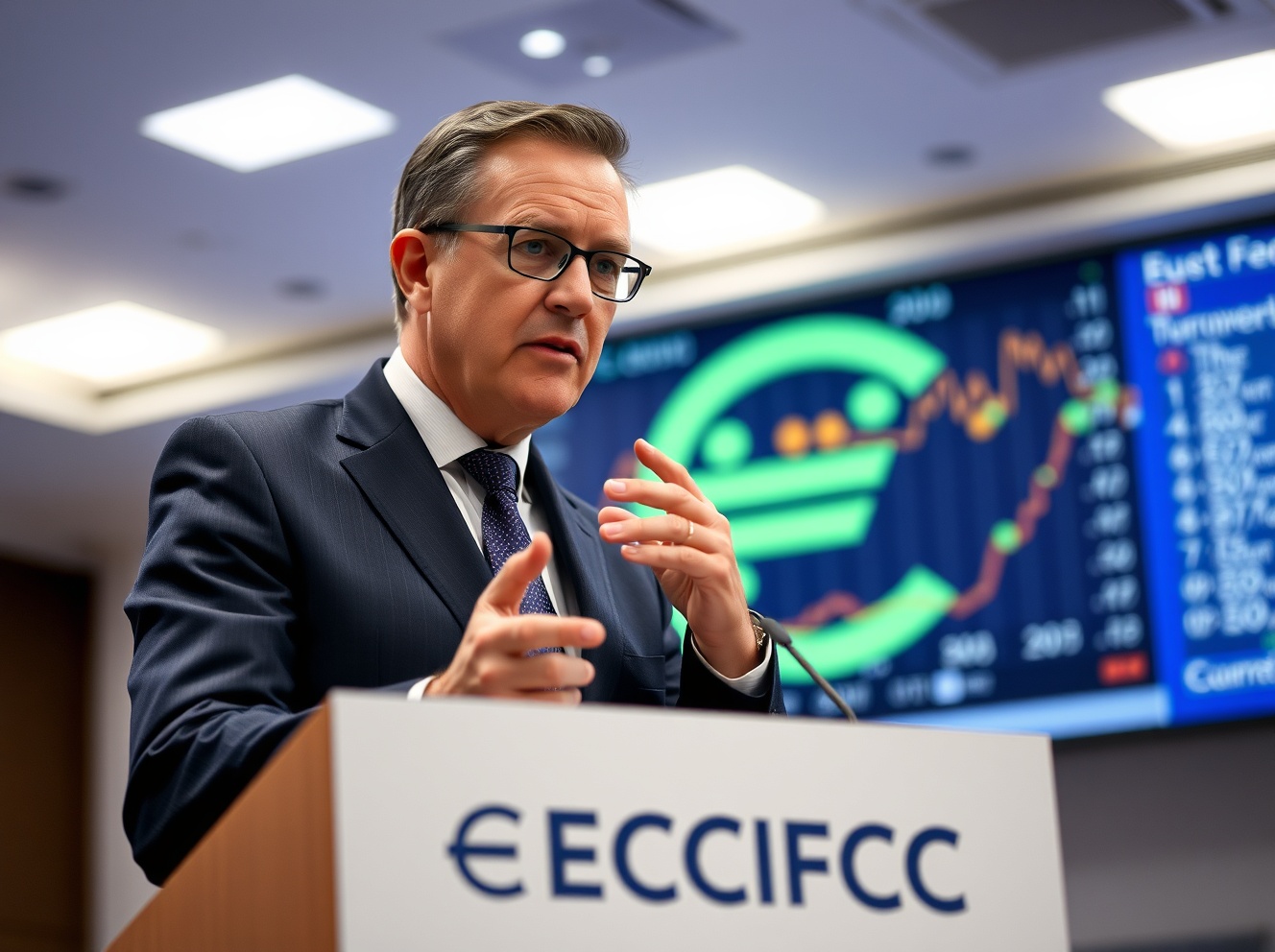
ECB’s Lane: Current Energy Shock Unfolds in Less Demand-Supportive Environment Than 2022
European Central Bank Chief Economist Philip Lane has highlighted a key difference between the current energy price surge and the one that followed Russia’s invasion of Ukraine in 2022: the broader economic backdrop is now far less supportive of demand. Speaking at an economic conference, Lane argued that while energy costs remain a significant headwind, the macroeconomic environment in which they are hitting households and businesses has shifted materially.
What Has Changed Since 2022?
In 2022, the energy shock struck an economy that was still rebounding strongly from the pandemic. Fiscal stimulus, pent-up consumer demand, and tight labor markets provided a cushion. Today, that cushion has thinned. Eurozone growth has slowed, manufacturing output has contracted in several member states, and consumer confidence remains fragile. Lane’s assessment suggests that the current shock may have a more pronounced effect on economic activity because there is less underlying momentum to absorb higher costs.
The ECB’s own data shows that household savings buffers, which were built up during the pandemic, have largely been depleted. Meanwhile, businesses face tighter credit conditions as the central bank’s previous rate hikes continue to filter through the financial system. This combination, Lane noted, means that the transmission of higher energy prices into weaker demand could be faster and deeper than two years ago.
Implications for Inflation and Monetary Policy
Lane’s remarks come at a delicate time for the ECB. Inflation in the eurozone has eased from its double-digit peaks but remains stubbornly above the 2% target, driven in part by energy base effects and supply-side disruptions. The chief economist’s analysis implies that the central bank must weigh the risk of persistent inflation against the risk of tipping the economy into recession.
Markets have been pricing in a potential rate cut in the coming months, but Lane’s comments suggest the ECB will remain cautious. If the energy shock suppresses demand more than expected, it could actually help bring inflation down faster — reducing the need for further tightening. Conversely, if energy costs feed through to core inflation via higher production costs, the ECB may need to hold rates higher for longer.
What This Means for Businesses and Consumers
For European households, the key takeaway is that the current energy price spike may not be as transient as the one in 2022. With less fiscal support available — many governments have rolled back energy subsidies — consumers are more directly exposed to price fluctuations. For businesses, especially in energy-intensive sectors like chemicals, metals, and transport, the margin for passing on costs to customers is narrower given weaker demand.
Lane’s assessment underscores that the ECB is closely monitoring both supply-side and demand-side dynamics. The central bank’s future policy decisions will likely depend on whether the energy shock proves to be primarily inflationary (via costs) or contractionary (via demand destruction).
Conclusion
Philip Lane’s analysis provides a nuanced update on the eurozone’s economic outlook. The current energy shock is not a replay of 2022 — it is unfolding in a more fragile demand environment, which changes the calculus for both inflation and monetary policy. For investors, policymakers, and the public, understanding this distinction is critical to anticipating the ECB’s next moves.
FAQs
Q1: How does the current energy shock differ from the one in 2022?
The 2022 shock occurred during a strong post-pandemic recovery with high consumer demand and fiscal support. The current shock is hitting an economy with weaker growth, depleted savings, and tighter credit conditions, making it less able to absorb higher energy costs.
Q2: Will the ECB cut interest rates in response to the energy shock?
Not necessarily. While weaker demand could reduce inflationary pressure, the ECB remains focused on bringing inflation to 2%. If energy costs push up core inflation, the ECB may hold rates steady or even raise them further.
Q3: What sectors are most affected by the current energy environment?
Energy-intensive industries such as chemicals, metals, manufacturing, and transport are most exposed. Consumer-facing sectors may also suffer as households have less disposable income to spend on non-essential goods and services.
This post ECB’s Lane: Current Energy Shock Unfolds in Less Demand-Supportive Environment Than 2022 first appeared on BitcoinWorld.


추천 콘텐츠
ASML (ASML) Stock: High-NA EUV Chips Expected Within Months Despite TSMC Pricing Concerns

Financial Markets on Edge as Inflation and Energy Concerns Persist




