BoJ’s Masu Warns Iran War Energy Shock Could Hit Japan Harder Than 1973 Oil Crisis
BitcoinWorld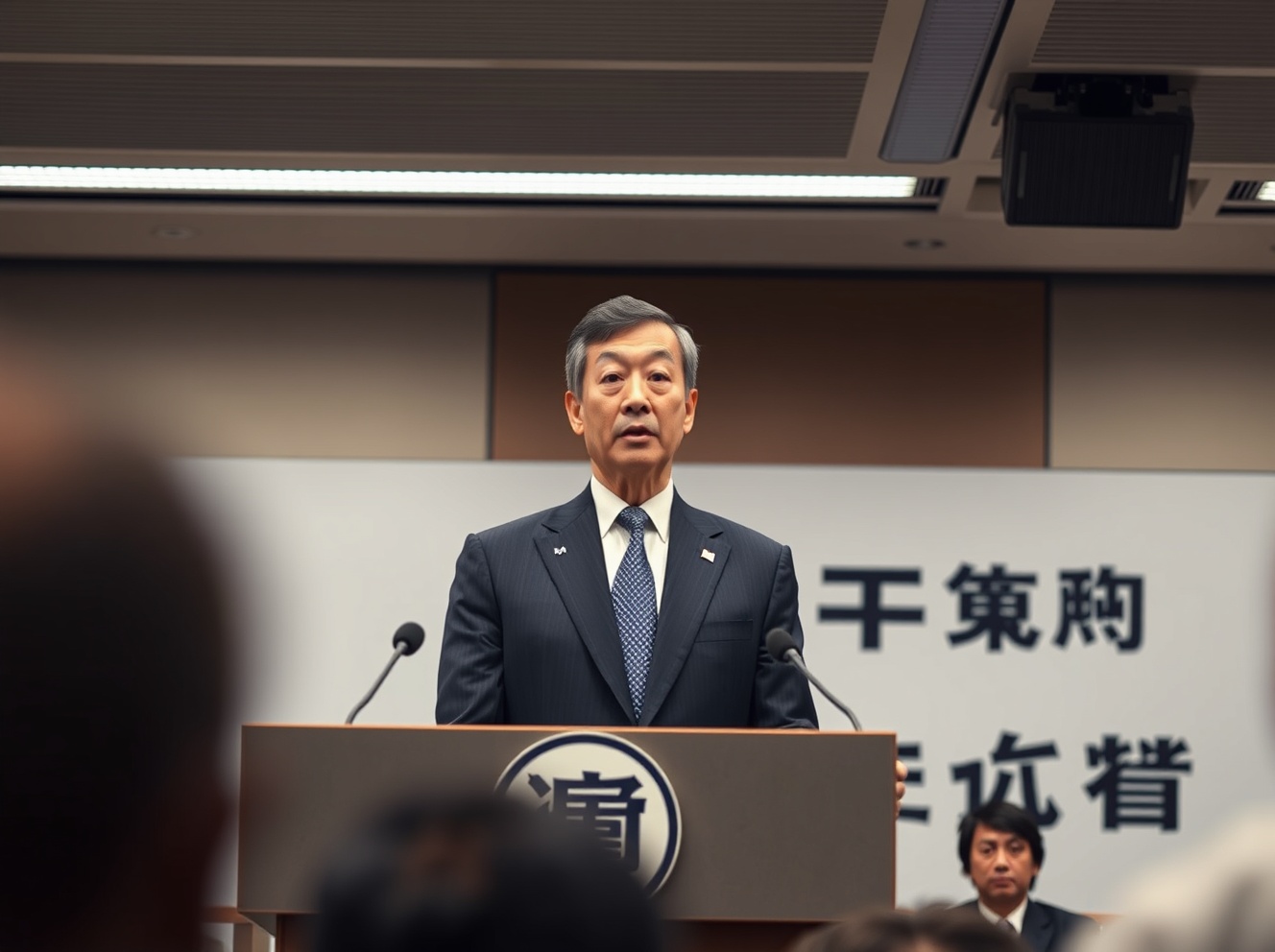
BoJ’s Masu Warns Iran War Energy Shock Could Hit Japan Harder Than 1973 Oil Crisis
The Bank of Japan’s board member, Masu, issued a stark warning on Thursday, stating that a potential energy supply disruption stemming from a military conflict involving Iran could inflict greater economic damage on Japan than the 1973 oil crisis. Speaking at a financial conference in Tokyo, Masu highlighted Japan’s extreme dependence on Middle Eastern oil imports as the primary vulnerability.
Japan’s Fragile Energy Calculus
Japan imports nearly 90% of its crude oil from the Middle East, with a significant portion transiting the Strait of Hormuz. Masu noted that during the 1973 crisis, Japan faced a 10% reduction in oil supply, which triggered runaway inflation and a sharp recession. Today, despite energy efficiency improvements, the nation’s reliance on imported fossil fuels remains structurally high, making it acutely sensitive to any blockade or conflict-related disruption in the region.
“The scale of potential supply interruption today, combined with Japan’s already strained fiscal position and aging population, could produce a more severe and prolonged economic contraction than what we experienced five decades ago,” Masu told the audience.
Comparative Shock: 1973 vs. 2025
Masu provided a comparative framework to illustrate the risk. In 1973, oil prices quadrupled, sending Japan’s inflation above 20% and industrial production into a tailspin. Today, the economy is larger and more diversified, but the margin for error is thinner. Japan’s public debt exceeds 260% of GDP, limiting fiscal stimulus options. Meanwhile, the Bank of Japan is still navigating a normalization of its ultra-loose monetary policy, making it harder to respond to a sudden supply-side shock.
“The 1973 crisis was a wake-up call that led to energy diversification and conservation measures. However, those gains have plateaued, and Japan’s energy security has not kept pace with geopolitical risks,” Masu added.
Market and Policy Implications
Analysts suggest that Masu’s comments may signal the BoJ’s growing concern over external risks to its inflation and growth forecasts. If an Iran-related conflict materializes, Japan could face a double hit: higher import costs for energy and a slowdown in global trade, which would further depress export demand. The government has reportedly accelerated talks with the United States and other allies to secure emergency oil reserves and alternative supply routes, though options remain limited.
For Japanese households and businesses, the warning translates into potential higher fuel and electricity costs, which could dampen consumer spending and corporate investment. The BoJ has indicated it will monitor the situation closely but has not yet factored a full-scale energy crisis into its baseline projections.
Conclusion
Masu’s remarks serve as a sobering reminder of Japan’s enduring energy vulnerability. While the 1973 oil crisis reshaped global energy policy, the current geopolitical landscape—marked by tensions in the Middle East and a slower transition to renewables—poses an even more complex challenge. For investors and policymakers, the message is clear: Japan’s economic resilience is only as strong as its energy supply chain.
FAQs
Q1: Why does Masu believe an Iran war could be worse than the 1973 oil crisis for Japan?
Masu argues that Japan’s current reliance on Middle Eastern oil remains extremely high, while its fiscal capacity to respond to shocks is far more constrained due to massive public debt and an aging population.
Q2: How dependent is Japan on oil from the Middle East?
Japan imports nearly 90% of its crude oil from the Middle East, with a large portion passing through the Strait of Hormuz, making it highly vulnerable to any disruption in that region.
Q3: What steps can Japan take to mitigate the risk of an energy shock?
Options include drawing on strategic petroleum reserves, accelerating renewable energy investments, and strengthening diplomatic ties to secure alternative supply routes, though each has significant limitations.
This post BoJ’s Masu Warns Iran War Energy Shock Could Hit Japan Harder Than 1973 Oil Crisis first appeared on BitcoinWorld.


추천 콘텐츠

Analog Devices (ADI) Pursues $1.5 Billion Acquisition of Empower Semiconductor

Why Businesses Need Professional Machine Design and Development Services