

Xi and Trump struggle to make China spend
Many people in China save instead of spend because the stock market has been weak for years. Families keep cash in the bank, and even leaders like Xi Jinping or Donald Trump would struggle to change that.
Even after the recent rebound, China’s main stock indexes are only back to where they were after the crash a decade ago according to Bloomberg. In that time, $10,000 in the S&P 500 grew to over $30,000, while the same in the CSI 300 is only about $13,000.
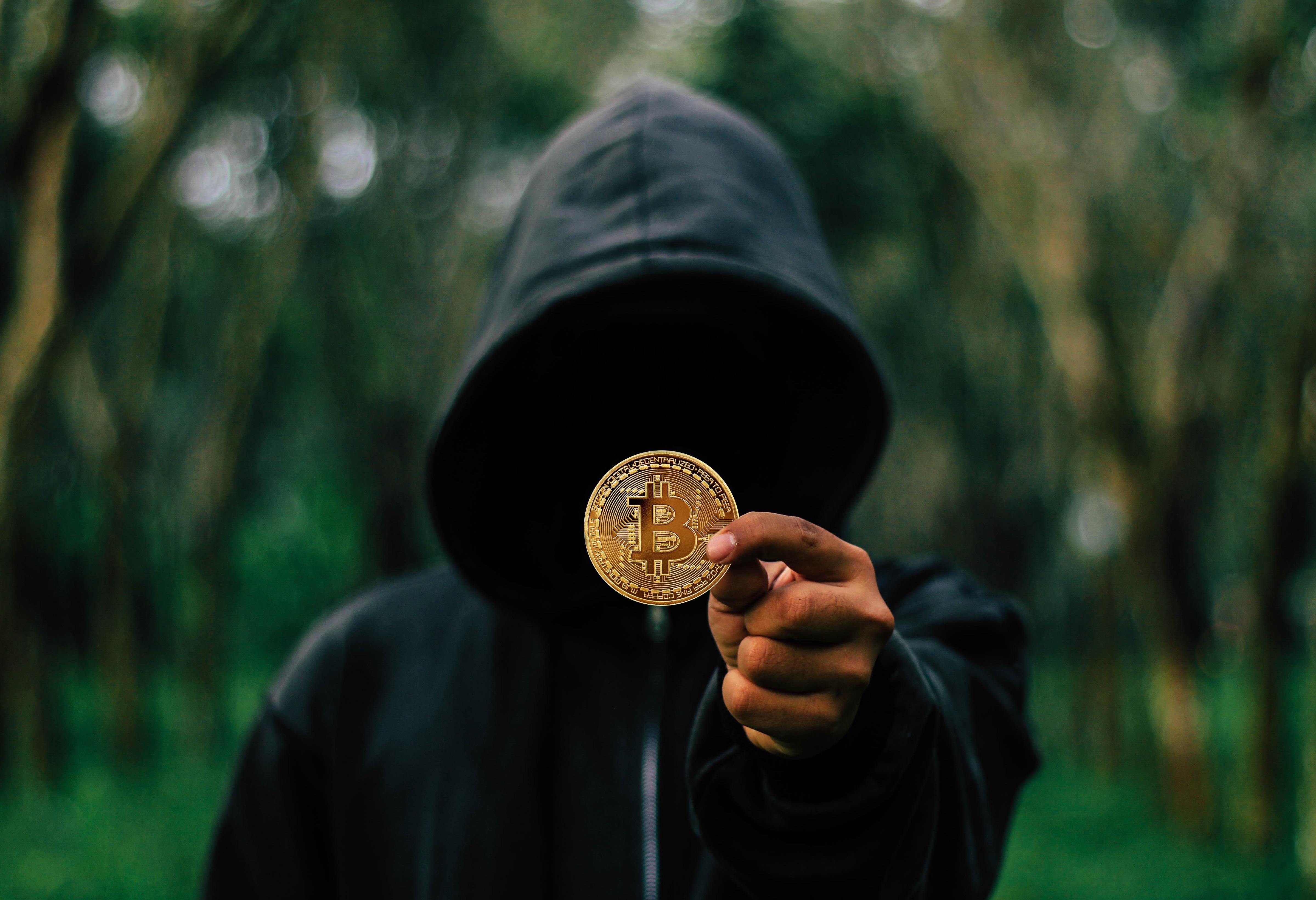
Analysts point to structural origins. About 35 years ago, the exchanges were built mainly to raise money for state projects, not to reward investors. That focus led to too many share sales and bad post-IPO behavior, problems that still weigh on a market worth about $11 trillion.
Policymakers are increasingly pressed to overhaul the setup. To hit a 5% growth goal amid an escalating tariff spat with the U.S., Xi is leaning on consumption, even as Beijing relies on equity financing to bankroll strategic tech companies whose earnings are far from assured.
Recent gains have shown clear limits. The CSI 300 has risen under 7% this year, even with AI enthusiasm, trailing indexes in the U.S. and Europe. Coupled with a murky outlook, that helps sustain a 35% household saving rate.
Veteran investors warn newcomers off the rally
Chen Long, an asset-management professional, has turned to Xiaohongshu to flag risks to newcomers. “Many ordinary people come in thinking they could make money, but the majority of them end up poorer,” said Chen, who has invested since 2014.
He added “State-owned companies primarily answer to the government rather than shareholders, while many private entrepreneurs have little regard for small investors.”
Senior officials have increasingly acknowledged equities’ importance for household wealth, amid a property downturn and an uneven safety net that heightens caution.
The Communist Party’s Politburo vowed in December to “stabilize housing and stock markets,” an unusual nod to equities at that level. In July, it called for “increasing the attractiveness and inclusiveness of domestic capital markets.”
Economists see rebound as the only quick fix
Still, confidence is hard to restore quickly. “Except for a stock market rebound,” said Hao Hong, chief investment officer at Lotus Asset Management Ltd. “This is a topic that we economists have been discussing in the closed door meetings in Beijing.’’
Today’s troubles trace back decades. “The exchanges are motivated to fulfill the government’s call for increasing companies’ financing,” said Lian Ping, chairman of the China Chief Economist Forum. “But when it comes to protecting investors’ interests, there are few who are motivated to do it.”
An IPO surge made China the top listing market in 2022, yet scant shareholder safeguards and loose enforcement have produced price collapses and removals, retail investors dub it “stepping on a land mine.”
For example, Beijing Zuojiang Technology, listed in 2019, said in 2023 that a product was modeled on Nvidia’s BlueField-2 DPU. In January the following year it warned it faced delisting amid a disclosure probe, and it was later removed from the Shenzhen exchange. The China Securities Regulatory Commission did not immediately respond to a fax seeking comment.
Since then, officials have tried to narrow the pipeline: tougher screening of weak applicants, stronger fraud enforcement, curbs on follow-on issuance and blockholder sell-downs, and pressure for higher payouts.
It’s starting to have an effect. Last year’s IPO tally dropped to about a third of 2023’s. Firms in Shanghai and Shenzhen paid 2.4 trillion yuan ($334 billion) in cash dividends for 2024, up 9% from a year earlier, according to state media.
“The regulations and overall requirements after IPO have become stricter, in terms of reliability, transparency, or information disclosure,” said Ding Wenjie, investment strategist at China Asset Management Co.
Sign up to Bybit and start trading with $30,050 in welcome gifts


추천 콘텐츠
Analyst Says XRP Looks Ready for a Massive Breakout. Here’s the Signal
Alphabet (GOOGL) Stock Nears $5 Trillion Market Cap Ahead of Google I/O Tuesday




