

Inflation in Bolivia has hit 25%, and dollars are scarce, pushing people toward cryptocurrencies
Bolivia is in the middle of a money crisis, and the boliviano is no longer the safe bet it once was. Inflation has blown up to 25%, the highest in 34 years. Dollars are almost impossible to get. Trust in the government is hanging by a thread.
So people are moving fast into cryptocurrencies, as a way to keep their businesses running and their savings from shrinking.
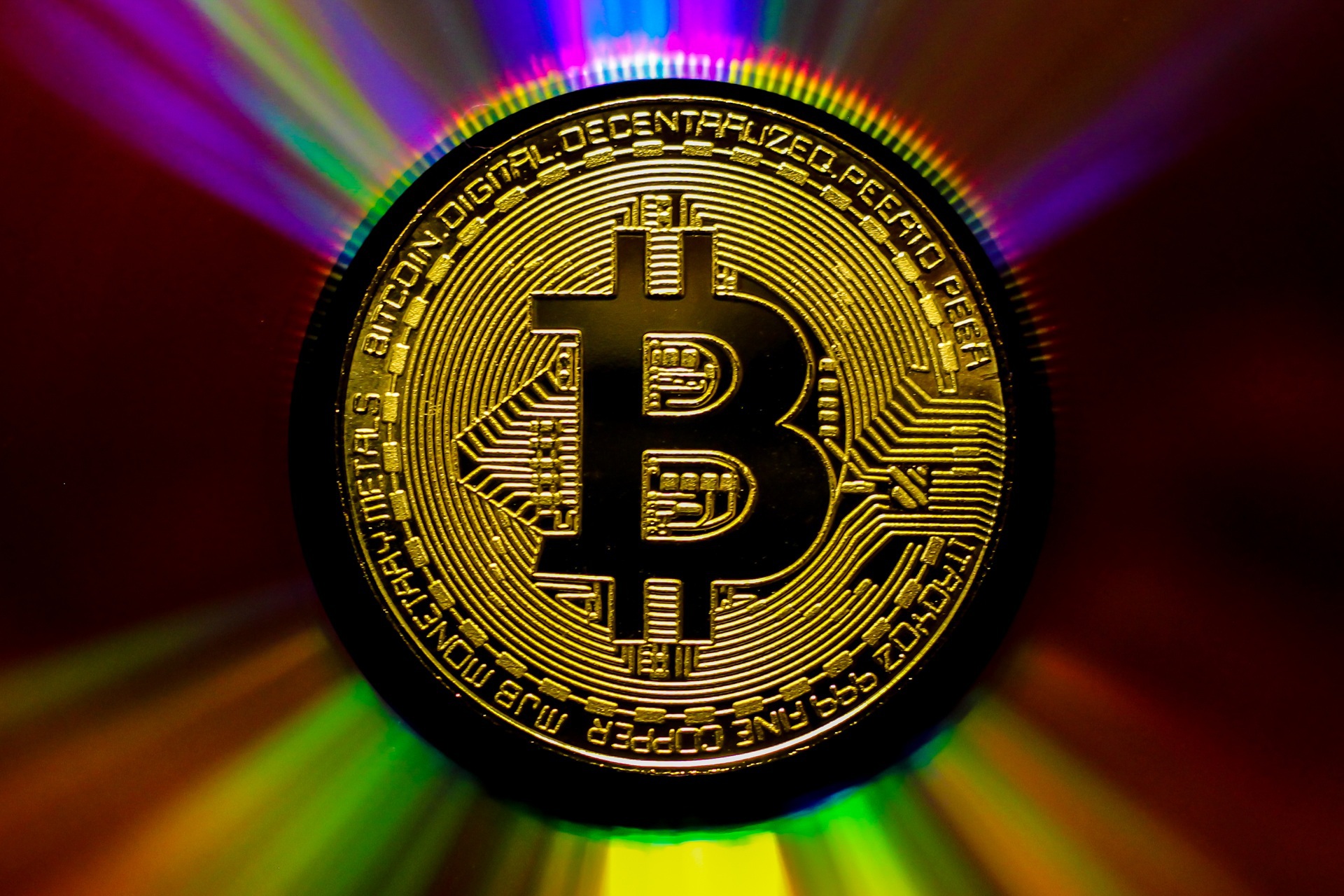
At El Alto International Airport, a shop sells candy and sunglasses in USDT, a stablecoin tied to the dollar. A top university sends paychecks in Bitcoin to foreign professors.
For a while, the state oil company even got permission to make foreign payments in stablecoins. In just the first half of 2025, digital transactions shot up more than five times, hitting $300 million.
Bolivians turn to digital money as the economy falls apart
The numbers behind the crisis are grim. The government has run budget deficits for 11 years in a row. Foreign debt has grown to about a quarter of the country’s GDP. The natural gas industry, once a steady source of dollars, has collapsed.
On top of that, the boliviano’s fixed exchange rate has made imported goods more expensive. For most people, the value of their money is dropping every week.
This has created a perfect opening for crypto. Many see it as a way to avoid the slow death of their savings. But it’s not without risks. Some stablecoins have been caught with shaky reserves. Bitcoin’s price can jump or crash in a single day.
Even so, the distrust in banks and government is so deep that people prefer the risk. With a presidential election coming on August 17, no one expects a quick fix, and the shift toward digital assets is already too far along to stop.
Getting US dollars is a headache. Banks sometimes allow only $100 a week in withdrawals. On the black market, one dollar goes for 14 bolivianos, double the official rate, the same price many pay for one USDT. This has made stablecoins a practical stand-in for cash.
In downtown La Paz, Christopher Salas runs a small coffee stand. Most customers still pay in bolivianos, but some use satoshis, the smallest unit of Bitcoin, by scanning a QR code linked to their Blink wallet.
“I’m not the only one using Bitcoin,” Christopher said. “There’s a barbershop over there and a gym that also accepts satoshis.” For him, it’s both a way to protect his savings and, as he put it, “a way to go against the system, against bureaucracy.”
Platforms and payment systems race to keep up with demand
Crypto platforms are seeing a rush of new users. Carlos Neira, who co-founded Colombian wallet provider Meru, said Bolivian accounts on his platform have grown by 6,600% since the ban was lifted.
Binance is also popular for its low fees and beginner tutorials. But there are reminders of how fragile the market can be. The Terra stablecoin collapsed in 2022, wiping out billions.
In 2021, Tether paid $41 million to settle US claims that it lied about its reserves. Even the US dollar, the anchor for most stablecoins, is down about 8% this year, according to data from Bloomberg, because of changes in US trade policy.
The government’s involvement has been minimal since legalizing crypto. Unlike El Salvador, which made Bitcoin legal tender and heavily promoted it, Bolivia simply ended the ban and stepped back. Adoption here has been driven by the public, not a state campaign. In El Salvador, only 4.9% of transactions in 2023 were in Bitcoin despite the law.
Other Latin American countries have also seen people turn to crypto during inflation (like Venezuela and Argentina), but mostly as savings. In Bolivia, it’s becoming a payment tool. “Foreign companies view Bolivia as the epicenter of the crypto ecosystem in Latin America,” Mauricio Dulon said at a recent crypto summit in La Paz.
That interest has brought more providers into the market. Hugo Miranda of the Bolivia Internet Foundation said both global and local companies are moving in fast. Social media influencers are promoting crypto as a way to escape financial limits. Businesses are adapting, too.
KEY Difference Wire: the secret tool crypto projects use to get guaranteed media coverage


추천 콘텐츠

Solana price confirms bearish crossover following Drift exploit, will it crash?

Evercore ISI S&P 500 Forecast 2026: Base Case 7,750, Bull Case 9,000




