Asia FX Slides as Hawkish Fed Bets Strengthen USD; Indian Rupee Hits Record Low Near 96
BitcoinWorld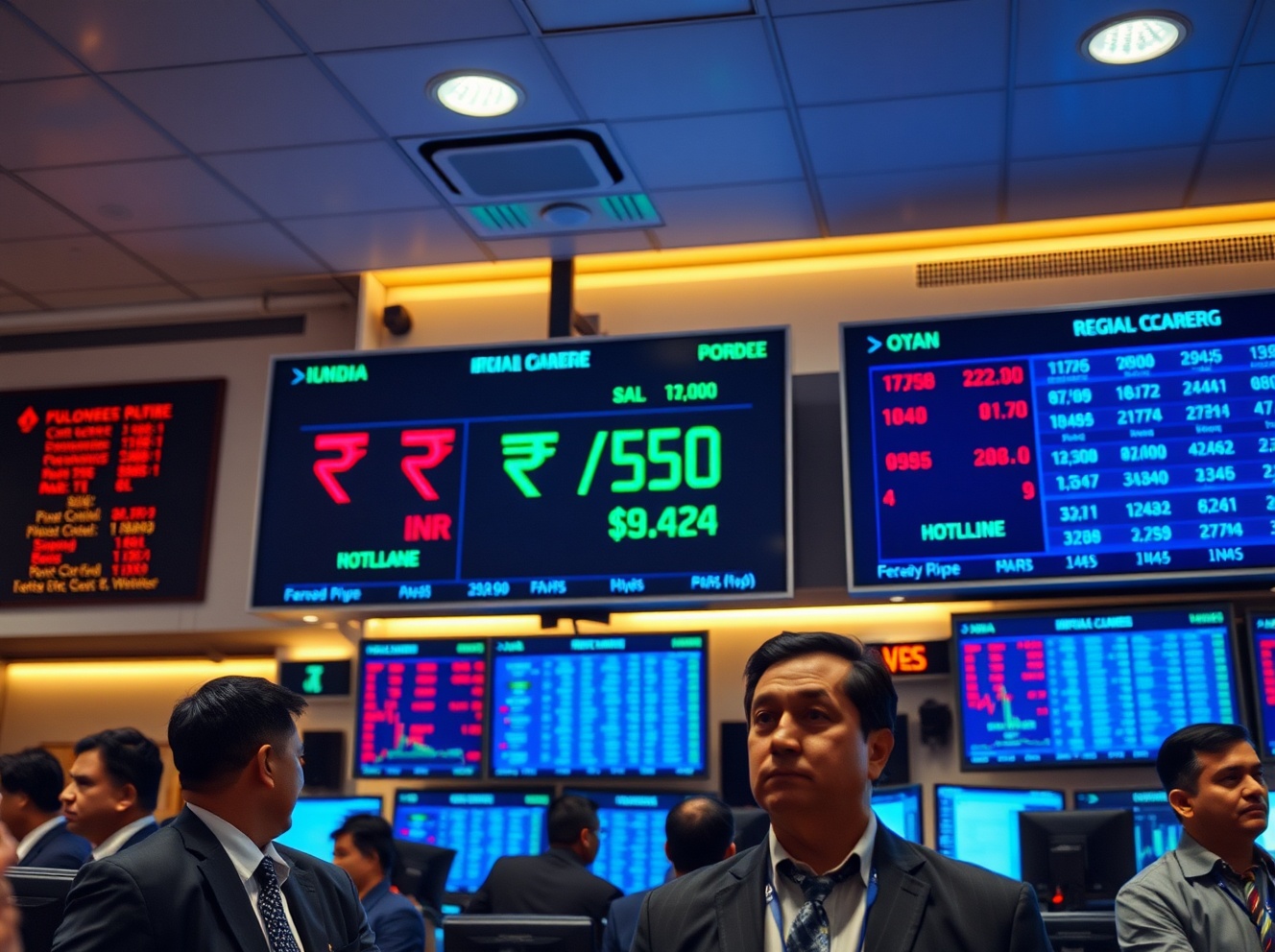
Asia FX Slides as Hawkish Fed Bets Strengthen USD; Indian Rupee Hits Record Low Near 96
Asian currencies weakened broadly on Monday as renewed expectations of a hawkish Federal Reserve pushed the US dollar to multi-month highs. The Indian rupee bore the brunt of the selloff, sliding to an all-time low near the psychologically significant 96 per US dollar mark, according to data from regional exchanges and Bloomberg terminals.
Dollar Strength Returns on Fed Rate Path Uncertainty
The dollar index (DXY) climbed above 106.50 in early Asian trading, its highest level since November 2024, after stronger-than-expected US non-farm payrolls data released on Friday reinforced the view that the Fed may delay rate cuts. Markets are now pricing in a less than 30% probability of a cut before September 2025, according to CME FedWatch data. This repricing has reignited capital outflows from emerging Asia, pressuring currencies across the region.
The offshore Chinese yuan (CNH) fell past 7.35 per dollar, while the South Korean won, Indonesian rupiah, and Philippine peso all declined between 0.4% and 0.8% against the greenback. The Japanese yen remained under pressure near 158.50 despite verbal intervention warnings from Tokyo.
Indian Rupee Breaches 95.80, Tests Record Lows
The Indian rupee opened at 95.72 against the US dollar and weakened further to 95.93 in intraday trade, surpassing its previous record low of 95.87 set in March 2025. Dealers reported heavy dollar demand from importers and foreign portfolio outflows, with state-run banks seen intervening on behalf of the Reserve Bank of India (RBI) to slow the pace of depreciation.
The RBI has maintained a policy of managed float, allowing gradual depreciation while smoothing excessive volatility. However, analysts note that the central bank’s ability to defend the currency is constrained by a shrinking forex reserve buffer, which stood at $642 billion as of the last reporting week, down from $680 billion six months ago.
Why This Matters for Investors and Businesses
The rupee’s slide near the 96 mark carries significant implications for India’s import-dependent economy. A weaker rupee raises the cost of crude oil, electronics, and machinery imports, potentially stoking domestic inflation and complicating the RBI’s monetary policy stance. For companies with unhedged foreign currency debt, the depreciation adds to balance sheet pressure.
On the positive side, export-oriented sectors such as IT services, pharmaceuticals, and textiles may benefit from improved competitiveness. However, the overall macroeconomic risk tilts toward higher inflation and tighter financial conditions if the rupee continues to weaken.
Regional Central Banks on Alert
Central banks across Asia are walking a tightrope. While higher US rates attract capital outflows, aggressive domestic rate hikes risk stifling growth. Bank Indonesia and the Bangko Sentral ng Pilipinas have both signaled readiness to intervene in forex markets. The People’s Bank of China set a stronger-than-expected fixing for the yuan on Monday, a clear signal of its discomfort with rapid depreciation.
Market participants are now watching for any coordinated statement from Asian finance officials, though such moves are rare outside of crisis conditions.
Outlook: More Weakness Ahead?
Analysts at several global investment banks have revised their year-end forecasts for Asian currencies lower. For the rupee, the consensus range has shifted to 96-97 per dollar by June 2025, with a potential test of 98 if the Fed signals no rate cuts at its May meeting. The key risk is a further acceleration in US economic data, which could push the dollar even higher.
For now, Asian forex markets remain in a defensive posture, with traders closely watching US CPI data due later this week for the next directional cue.
FAQs
Q1: Why is the Indian rupee falling to record lows?
The rupee is under pressure due to a strong US dollar driven by hawkish Federal Reserve expectations, capital outflows from emerging markets, and domestic demand for dollars from importers. The RBI has intervened to slow the decline but has not halted it.
Q2: What does a weaker rupee mean for the Indian economy?
A weaker rupee increases the cost of imports, especially crude oil, which can fuel inflation. It also makes foreign debt servicing more expensive for Indian companies. However, it can boost exports by making Indian goods cheaper abroad.
Q3: Will the RBI defend the rupee at 96?
The RBI is expected to continue smoothing volatility through state-run bank intervention rather than defending a specific level. Its ability to defend the currency is limited by the size of its forex reserves and the pace of capital outflows.
This post Asia FX Slides as Hawkish Fed Bets Strengthen USD; Indian Rupee Hits Record Low Near 96 first appeared on BitcoinWorld.


추천 콘텐츠

CLARITY Act Passes Senate Banking Committee: What Does This Mean for Crypto?

Exclusive interview with Smokey The Bera, co-founder of Berachain: How the innovative PoL public chain solves the liquidity problem and may be launched in a few months