KOSPI Hits Record 8,046 Then Crashes 8.4%, Wiping Out ₩509 Trillion in Market Value
BitcoinWorld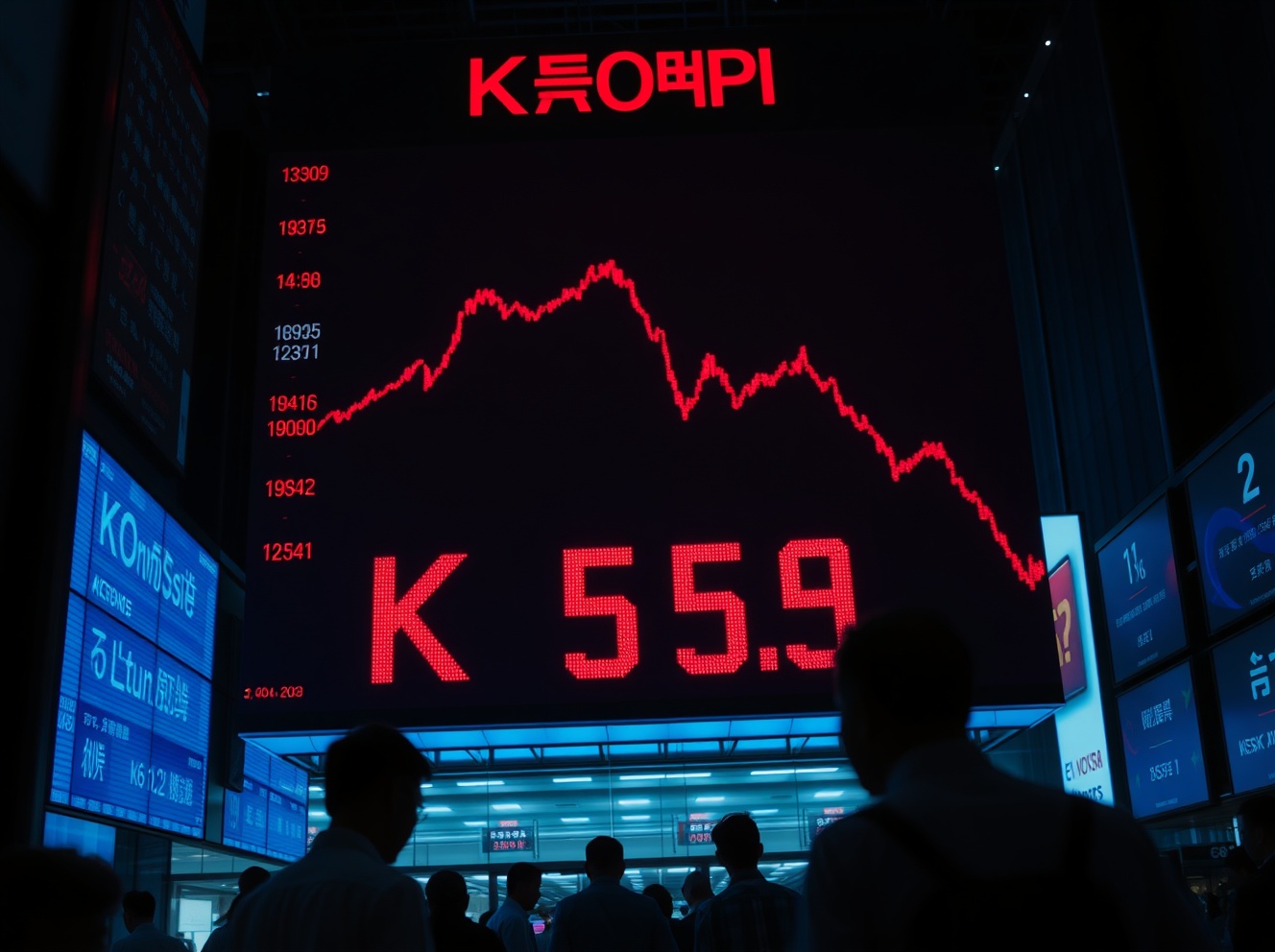
KOSPI Hits Record 8,046 Then Crashes 8.4%, Wiping Out ₩509 Trillion in Market Value
Seoul, South Korea — In a dramatic turn of events, the Korea Composite Stock Price Index (KOSPI) surged to an all-time high of 8,046 points earlier this week before suffering a catastrophic 8.4% crash, erasing approximately ₩509 trillion (US$380 billion) in market capitalization. The sudden reversal has sent shockwaves through global financial markets and left investors scrambling to assess the damage.
Record High to Historic Plunge
The KOSPI had been on a relentless upward trajectory, fueled by strong exports, semiconductor demand, and foreign investor inflows. The index breached the 8,000 mark for the first time in history, with analysts attributing the rally to optimism over South Korea’s economic recovery and corporate earnings. However, the euphoria proved short-lived.
Within hours of hitting the record, a wave of selling pressure triggered a sharp reversal. The crash accelerated as margin calls and automated stop-loss orders compounded the decline, leading to a 8.4% drop by the close of trading. The sell-off was broad-based, with blue-chip technology stocks, financials, and heavy industries all suffering significant losses.
What Caused the Crash?
Market participants point to a confluence of factors behind the sudden collapse. Reports of a potential interest rate hike by the Bank of Korea, escalating geopolitical tensions in the region, and profit-taking after the prolonged rally are among the primary triggers. Additionally, rumors of a large-scale liquidation by a major institutional investor added to the panic.
“The market was extremely overbought, and valuations had become stretched,” said a senior analyst at a Seoul-based brokerage. “When selling started, it snowballed quickly because everyone was trying to exit at the same time. The speed and magnitude of the decline caught even seasoned traders off guard.”
Impact on Investors and the Economy
The ₩509 trillion loss represents one of the largest single-day wealth destructions in South Korean financial history. Retail investors, who had piled into the market during the rally, are among the hardest hit. Many had leveraged positions, and the crash has wiped out years of gains for some.
For the broader economy, the crash raises concerns about consumer confidence and corporate financing. A sustained downturn in equities could dampen domestic spending and complicate capital-raising efforts for companies. The South Korean won also weakened against the US dollar in the aftermath, adding pressure on import-dependent sectors.
Historical Context and Comparisons
The crash draws comparisons to previous market shocks, including the 2008 global financial crisis and the 2020 COVID-19 sell-off. However, the speed of the decline from a record high is unusual. In 2008, the KOSPI fell gradually over months; this time, the drop was compressed into a single session.
Regulators have announced they are monitoring the situation closely and may consider measures to stabilize the market, such as temporarily banning short selling or expanding the daily price limit circuit breakers. The Bank of Korea has also signaled readiness to provide liquidity if needed.
What Should Investors Do Now?
Financial advisors are urging caution. “Panic selling is rarely a good strategy,” said a wealth manager. “Investors should review their portfolios, ensure they have adequate cash reserves, and avoid making emotional decisions. Markets tend to recover over time, but the path may be volatile.”
Long-term investors are advised to focus on fundamentally strong companies with solid balance sheets and consistent dividends. Diversification across sectors and asset classes remains a key risk management tool.
Conclusion
The KOSPI’s record-breaking rise and subsequent crash serve as a stark reminder of the inherent volatility in financial markets. While the long-term outlook for South Korea’s economy remains positive, the short-term pain is real. Investors, regulators, and policymakers will be watching closely for signs of further instability in the days ahead.
FAQs
Q1: What was the KOSPI’s previous record high before this crash?
The previous all-time high for the KOSPI was 7,200 points, reached in 2021. The recent surge to 8,046 marked a new milestone.
Q2: How does the ₩509 trillion loss compare to South Korea’s GDP?
South Korea’s nominal GDP is approximately ₩2,300 trillion (US$1.7 trillion). The loss represents about 22% of the country’s annual economic output.
Q3: Could the crash trigger a broader financial crisis?
While the crash is severe, South Korea’s financial system is generally considered resilient, with strong foreign reserves and a well-regulated banking sector. However, prolonged market stress could impact corporate funding and consumer confidence.
This post KOSPI Hits Record 8,046 Then Crashes 8.4%, Wiping Out ₩509 Trillion in Market Value first appeared on BitcoinWorld.


추천 콘텐츠
Bitcoin ETF Outflows, CLARITY Act, Treasury Yields: What Crypto Investors Should Watch This Week

Iran Plans New Strait of Hormuz Transit System With Vessel Fees