Japan’s Solid GDP Fails to Lift Yen as Trade Deficits Persist: DBS
BitcoinWorld
Japan’s Solid GDP Fails to Lift Yen as Trade Deficits Persist: DBS
Japan’s economy posted stronger-than-expected GDP figures in the latest quarter, but the Japanese yen remains under persistent pressure from widening trade deficits and unfavorable interest rate differentials, according to a new analysis from DBS Bank.
Growth Data Meets Currency Reality
The latest GDP reading showed Japan’s economy expanding at a solid pace, driven by resilient domestic consumption and a rebound in business investment. However, currency markets have largely shrugged off the positive data, with the yen continuing to trade near multi-decade lows against the U.S. dollar.
DBS analysts point to a fundamental disconnect: while Japan’s output is growing, its trade balance tells a different story. The country’s import bill — inflated by high energy costs and a weak yen — continues to outpace export revenues, creating a structural drag on the currency.
The Trade Deficit Dilemma
Japan has run a trade deficit for most of the past two years, a rare and uncomfortable position for a nation historically known for its export surpluses. The deficit means more yen are being sold to pay for imports than are being bought back through export earnings, directly weighing on the currency’s value.
DBS notes that even as GDP improves, the trade deficit acts as a persistent headwind. “Solid GDP growth alone is insufficient to reverse yen weakness when the underlying flow of trade dollars remains negative,” the report states.
Interest Rate Divergence Adds Pressure
Beyond trade flows, the gap between Japanese and U.S. interest rates remains wide. The Bank of Japan has maintained ultra-loose monetary policy, keeping rates near zero, while the Federal Reserve has held rates elevated. This yield differential encourages capital outflows from yen-denominated assets into higher-yielding dollar investments, further depressing the yen.
Market participants are watching for any shift in BOJ policy, but DBS expects the central bank to move cautiously, prioritizing domestic economic stability over currency defense.
What This Means for Investors and Businesses
For Japanese exporters, a weak yen boosts the value of overseas earnings when converted back to yen, providing a tailwind for corporate profits. However, for importers — particularly energy and food companies — the weaker currency raises costs, squeezing margins and potentially fueling inflation.
For global investors, the yen’s continued weakness creates opportunities in carry trades but also raises risks of sudden reversals if the BOJ eventually tightens policy. DBS advises a cautious approach, noting that while the yen may remain under pressure in the near term, the current levels already price in much of the negative news.
Conclusion
Japan’s solid GDP data is a positive sign for the economy, but it has not been enough to lift the yen against the dollar. The combination of persistent trade deficits and wide interest rate differentials continues to weigh on the currency. As DBS highlights, until these structural imbalances shift, the yen is likely to remain under pressure regardless of quarterly growth numbers.
FAQs
Q1: Why is the yen weak despite strong GDP growth?
Japan’s GDP growth is positive, but the country’s trade deficit means more yen are sold to pay for imports than are bought back through exports. Additionally, low Japanese interest rates compared to the U.S. encourage capital outflows, both weighing on the yen.
Q2: What is DBS’s outlook for the yen?
DBS expects the yen to remain under pressure in the near term due to the trade deficit and interest rate differential. A significant reversal would likely require a shift in BOJ policy or a narrowing of the rate gap with the U.S.
Q3: How does a weak yen affect the average Japanese consumer?
A weak yen makes imported goods more expensive, including energy, food, and raw materials. This can lead to higher inflation and reduced purchasing power for households, even as exporters benefit from stronger overseas earnings.
This post Japan’s Solid GDP Fails to Lift Yen as Trade Deficits Persist: DBS first appeared on BitcoinWorld.


추천 콘텐츠

Pi Network Fixes Technical Issue, Rewards Remain Safe
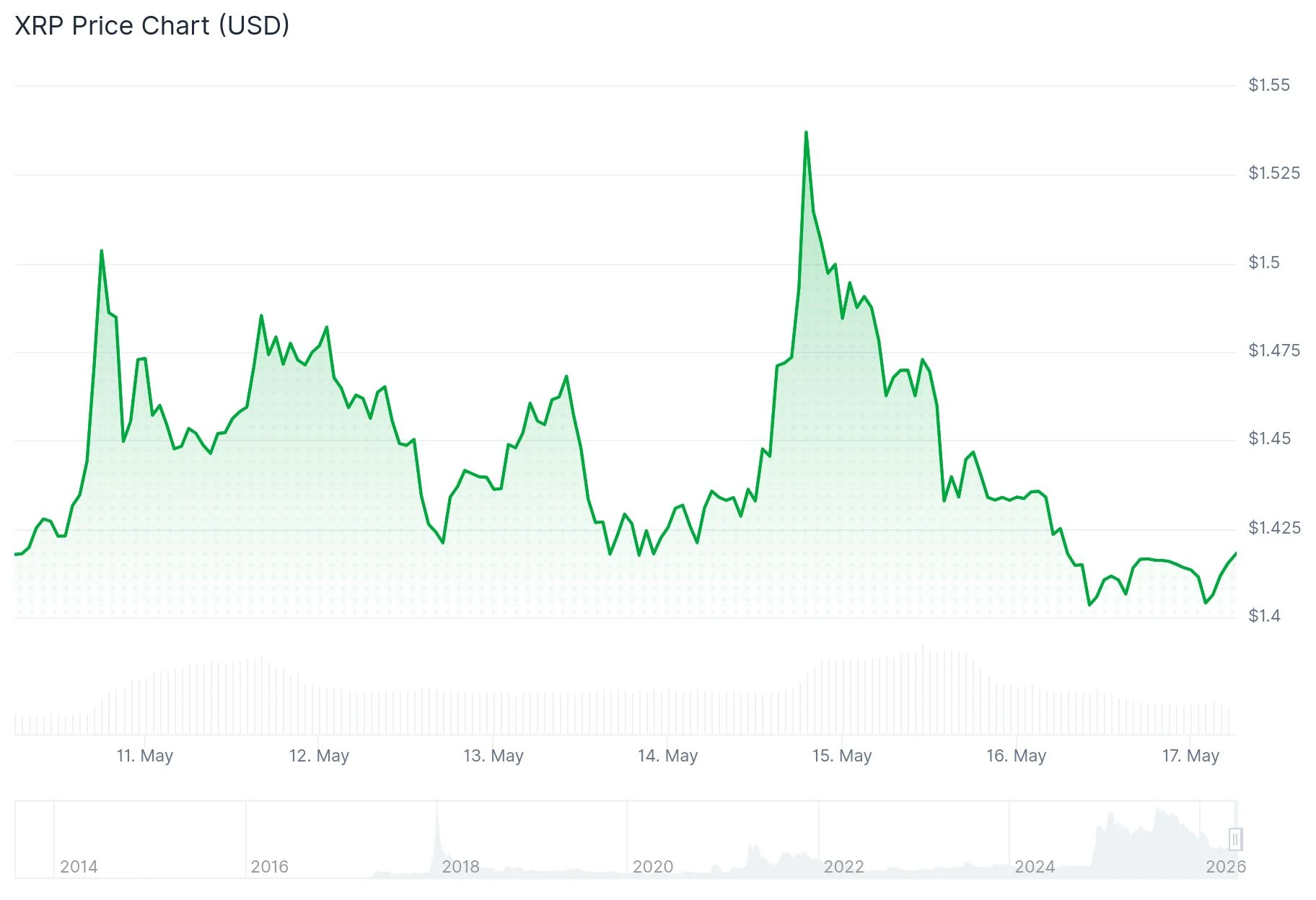
XRP Price Forecast: Could XRP Reach $15 Within Five Years?