Yen Sees Repeated Brief Surges, Stoking Intervention Speculation
BitcoinWorld
Yen Sees Repeated Brief Surges, Stoking Intervention Speculation
The Japanese yen experienced a series of sharp, short-lived surges against the US dollar on Tuesday, reigniting market speculation that Japanese authorities may have intervened to support the currency. The moves, which occurred during Asian and early European trading hours, saw the dollar-yen pair drop abruptly by more than one yen in a matter of minutes on at least two separate occasions, before partially recovering.
Pattern of Sharp Moves
The first surge occurred around 10:30 AM Tokyo time, when the dollar fell from near 156.50 yen to approximately 155.30 yen within a five-minute window. A second, similar move followed roughly two hours later, with the dollar dropping from 156.80 yen to 155.50 yen. Both episodes saw trading volumes spike dramatically, a pattern historically associated with official intervention rather than ordinary market flows.
Japanese authorities have not commented on the moves, maintaining their standard stance of not confirming intervention activity. However, the speed and magnitude of the moves, combined with the lack of any obvious fundamental catalyst, have led many analysts to conclude that the Ministry of Finance likely conducted stealth intervention.
Context and Background
Japan has a long history of intervening in currency markets to counter excessive volatility or what officials describe as disorderly moves. The yen has been under persistent pressure this year, trading near multi-decade lows against the dollar, as the Bank of Japan maintains an ultra-loose monetary policy stance while the Federal Reserve keeps rates elevated.
In late April and early May of this year, Japanese authorities are believed to have intervened on multiple occasions, spending an estimated 9 trillion yen (approximately $60 billion) to support the currency. Tuesday’s moves follow a period of relative calm, but the yen has recently resumed its weakening trend, approaching levels that previously triggered intervention.
Why This Matters to Investors
For traders and investors, the possibility of intervention introduces an additional layer of uncertainty in the dollar-yen market, the most actively traded currency pair globally. Sudden, sharp moves can trigger stop-loss orders and margin calls, creating cascading effects across other asset classes. Japanese authorities have warned repeatedly that they are prepared to act around the clock to combat speculative activity.
The key question for markets is whether these brief surges represent a genuine shift in policy tactics—perhaps moving toward smaller, more frequent interventions—or simply routine checks on the yen’s level. Some analysts argue that smaller, less predictable moves may be more effective at deterring speculative positioning than large, announced interventions.
What to Watch Next
Market participants are closely monitoring the Bank of Japan’s monetary policy meeting scheduled for next week. While no change in interest rates is widely expected, any shift in language regarding the yen or inflation could influence the currency’s trajectory. Additionally, the release of Japan’s intervention data at the end of the month will provide official confirmation of whether authorities were active on Tuesday.
Until then, the market is likely to remain on edge, with traders watching for any further sudden moves that could signal continued official presence in the market.
Conclusion
The repeated brief surges in the yen have heightened speculation that Japanese authorities are actively intervening to support the currency, even as they decline to confirm their actions. The pattern of sharp, short-lived moves suggests a possible tactical shift toward more frequent but smaller interventions. For now, the dollar-yen market remains highly sensitive to any signs of official activity, and traders should be prepared for continued volatility.
FAQs
Q1: How can I tell if Japan intervened in the currency market?
Official confirmation typically comes weeks later when the Ministry of Finance releases weekly intervention data. However, traders look for telltale signs: sudden, sharp moves with high volume that occur without any obvious news catalyst, often during thin trading hours.
Q2: Why does Japan intervene to support the yen?
Japanese authorities intervene to counter excessive volatility and disorderly currency moves that harm the economy. A weak yen raises import costs for energy and food, hurting consumers and small businesses, while also creating uncertainty for corporate planning.
Q3: Does intervention actually work?
Intervention can temporarily slow or reverse a currency’s trend, but its long-term effectiveness is debated. To be sustainable, intervention must be backed by fundamental policy changes, such as interest rate adjustments. Repeated interventions without policy follow-through often fail to permanently alter the exchange rate.
This post Yen Sees Repeated Brief Surges, Stoking Intervention Speculation first appeared on BitcoinWorld.


추천 콘텐츠

Pi Network Fixes Technical Issue, Rewards Remain Safe
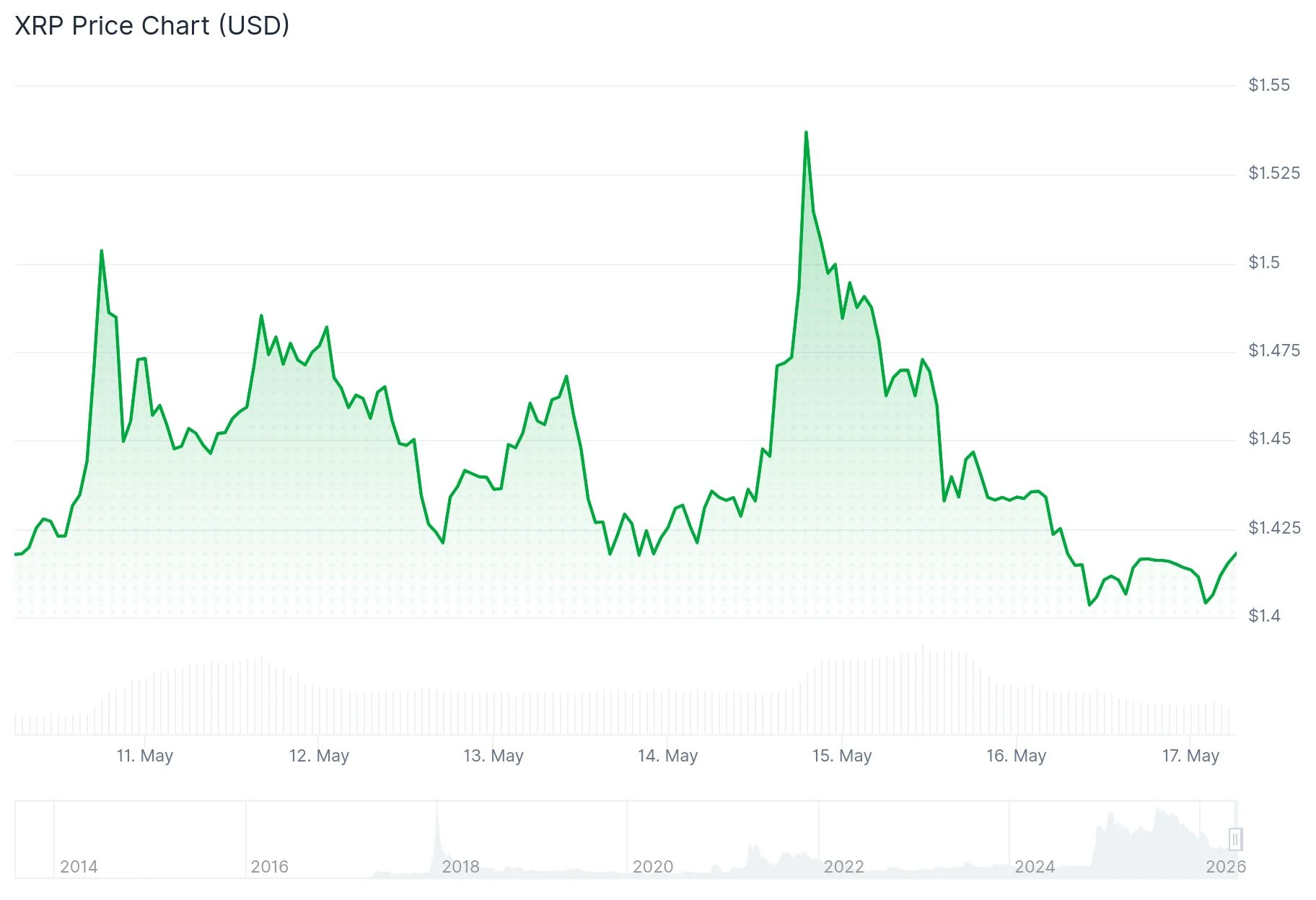
XRP Price Forecast: Could XRP Reach $15 Within Five Years?