Euro Slides as Risk Aversion Grips Markets and Fed Signals Policy Shift
BitcoinWorld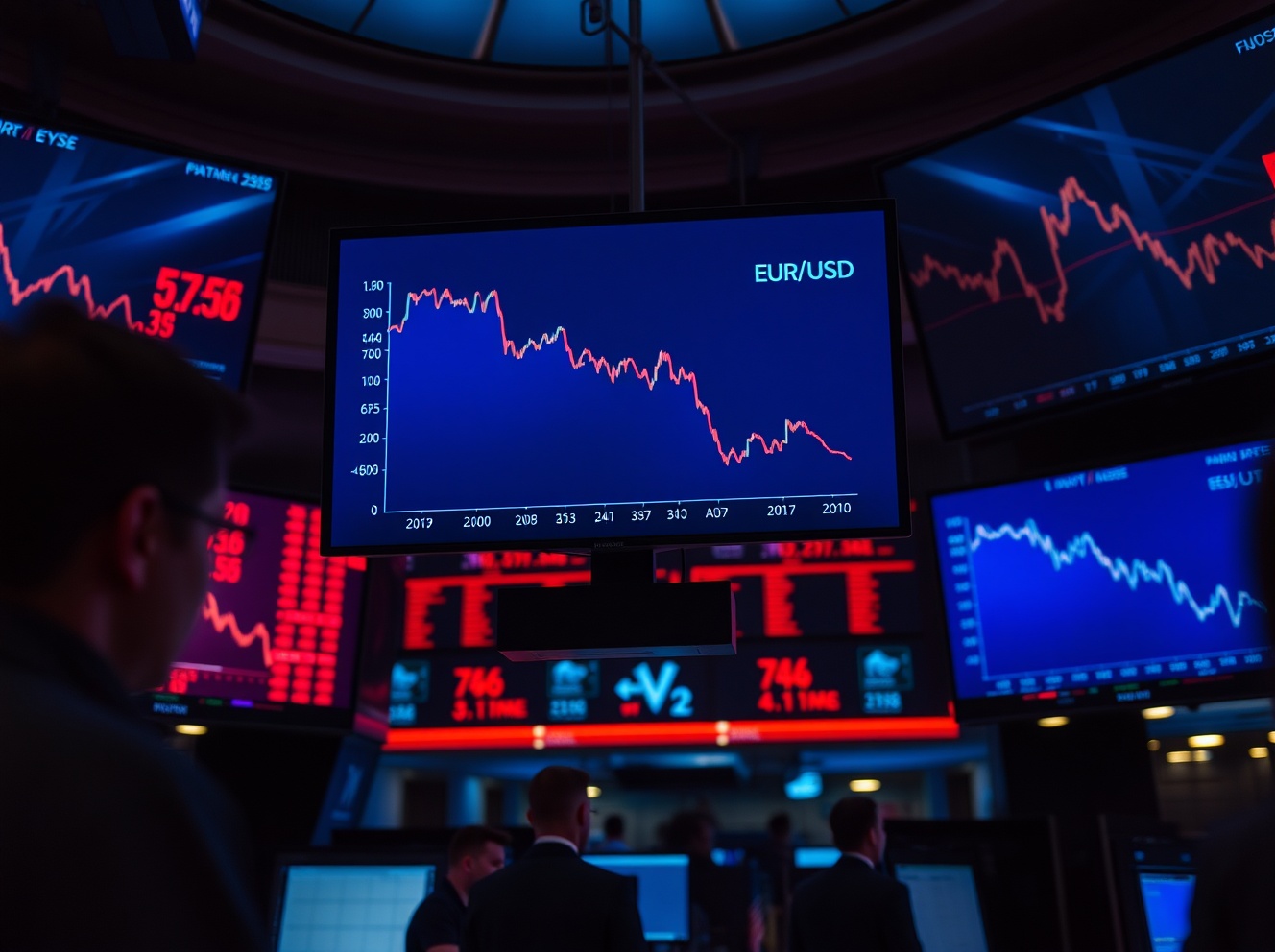
Euro Slides as Risk Aversion Grips Markets and Fed Signals Policy Shift
The euro fell against the US dollar on Wednesday, extending its recent decline as a wave of risk aversion swept through global financial markets. Traders reacted to growing expectations that the Federal Reserve will maintain a tighter monetary policy stance for longer than previously anticipated, while geopolitical uncertainties dampened demand for the single currency.
What Is Driving the Euro Lower?
The EUR/USD pair dropped below the 1.07 mark for the first time in three weeks, pressured by a combination of factors. Minutes from the Fed’s latest meeting revealed a cautious tone among policymakers, with several members expressing concern about persistent inflation. This reinforced market bets that interest rate cuts in the US may be delayed well into the second half of the year, boosting the dollar’s yield advantage over the euro.
At the same time, risk appetite deteriorated sharply after weaker-than-expected economic data from China and renewed trade tensions between the US and the European Union. Investors fled to safe-haven assets such as the US dollar and Japanese yen, leaving the euro and other risk-sensitive currencies under pressure.
Market Reaction and Key Levels
The euro’s decline accelerated during the New York session, with the currency touching an intraday low of 1.0685 against the greenback. The euro also weakened against the British pound and the Swiss franc, reflecting broad-based selling. Analysts pointed to the break of the 1.07 support level as a bearish signal, with the next key support area around 1.0650, the low from mid-April.
European bond yields edged lower as investors priced in a more cautious outlook from the European Central Bank, which is grappling with a sluggish economy and inflation that remains above its 2% target. The yield spread between US and German 10-year bonds widened to 185 basis points, further supporting dollar demand.
Why This Matters for Investors
The euro’s weakness has direct implications for European exporters, whose goods become more competitive in global markets when the currency declines. However, a persistently weak euro also raises the cost of imported energy and raw materials, adding to inflationary pressures in the eurozone. For US-based investors holding European assets, the currency move erodes returns when converted back to dollars.
Currency traders are now closely watching upcoming eurozone inflation data and the ECB’s June policy meeting for clues on whether the central bank will signal a rate cut. Any dovish shift from the ECB could accelerate the euro’s decline, while a hawkish surprise might provide temporary relief.
Conclusion
The euro’s slide reflects a broader shift in market sentiment as investors recalibrate expectations for central bank policy and global growth. With the Fed signaling patience on rate cuts and risk aversion on the rise, the near-term outlook for the euro remains challenging. Traders should monitor key support levels and central bank communications for the next directional catalyst.
FAQs
Q1: Why is the euro falling against the dollar?
The euro is declining due to a combination of rising risk aversion, expectations that the Federal Reserve will keep interest rates higher for longer, and weaker economic data from China and Europe.
Q2: What does a weaker euro mean for European consumers?
A weaker euro makes imported goods, especially energy and raw materials, more expensive. This can contribute to higher inflation and reduce purchasing power for consumers in the eurozone.
Q3: What key levels should traders watch in EUR/USD?
Traders are watching the 1.0650 support level as the next major floor. A break below that could open the door to the 1.05 area. On the upside, resistance is seen near 1.0750 and 1.08.
This post Euro Slides as Risk Aversion Grips Markets and Fed Signals Policy Shift first appeared on BitcoinWorld.


추천 콘텐츠

Pi Network Fixes Technical Issue, Rewards Remain Safe
XRP Price Forecast: Could XRP Reach $15 Within Five Years?