Japan’s Energy Shock Pushes Inflation Higher Than GDP Growth, ING Warns
BitcoinWorld
Japan’s Energy Shock Pushes Inflation Higher Than GDP Growth, ING Warns
A new analysis from ING highlights a growing divergence in Japan’s economic landscape: the energy-driven price shock is now exerting a stronger upward force on inflation than on gross domestic product (GDP). The finding underscores the uneven nature of Japan’s recovery and raises questions about the Bank of Japan’s policy path.
Energy Costs Outpacing Broader Economic Output
ING’s report points to the persistent impact of elevated global energy prices on Japan, a nation heavily reliant on imported fossil fuels. While the economy has shown some resilience, the pass-through of higher electricity and fuel costs to consumers and businesses is proving more pronounced than the stimulus effect on overall economic activity. This creates a stagflationary tilt, where rising prices coexist with tepid growth momentum.
Implications for Monetary Policy and Households
The analysis carries direct implications for the Bank of Japan’s normalization strategy. If inflation remains driven by supply-side energy costs rather than robust domestic demand, the central bank may face a more cautious timeline for interest rate hikes. For households, the squeeze is real: higher utility bills and transport costs are eating into disposable income, dampening consumer spending—a key engine of GDP. ING’s economists note that without a sustained decline in global energy benchmarks, Japan’s inflation could stay above target even as growth falters.
Market and Sectoral Impact
Energy-intensive industries, including manufacturing and logistics, are feeling the pressure. The weaker yen has compounded the problem by making imported energy even more expensive. Meanwhile, sectors tied to domestic consumption, such as retail and services, face headwinds from reduced household purchasing power. The divergence between inflation and GDP growth is likely to remain a central theme in Japan’s economic outlook for the coming quarters.
Conclusion
ING’s assessment serves as a reminder that Japan’s recovery is not uniform. The energy shock is lifting inflation faster than it is boosting economic output, creating a challenging environment for policymakers. The path forward hinges on global energy trends, currency movements, and the Bank of Japan’s ability to navigate a narrow corridor between supporting growth and containing price pressures.
FAQs
Q1: Why is energy inflation rising faster than GDP in Japan?
Japan imports most of its energy, so global price spikes hit domestic costs directly. GDP growth is constrained by weaker consumer spending and structural economic factors, meaning the inflation pass-through is stronger than the growth stimulus.
Q2: How might the Bank of Japan respond to this situation?
The BOJ may proceed cautiously with any further interest rate hikes, as tightening too aggressively could stifle the fragile economic recovery while doing little to address supply-driven energy inflation.
Q3: What does this mean for Japanese consumers?
Households face higher costs for electricity, gas, and fuel, reducing real disposable income. This could lead to lower spending on non-essential goods and services, further weighing on GDP growth.
This post Japan’s Energy Shock Pushes Inflation Higher Than GDP Growth, ING Warns first appeared on BitcoinWorld.


추천 콘텐츠

Pi Network Fixes Technical Issue, Rewards Remain Safe
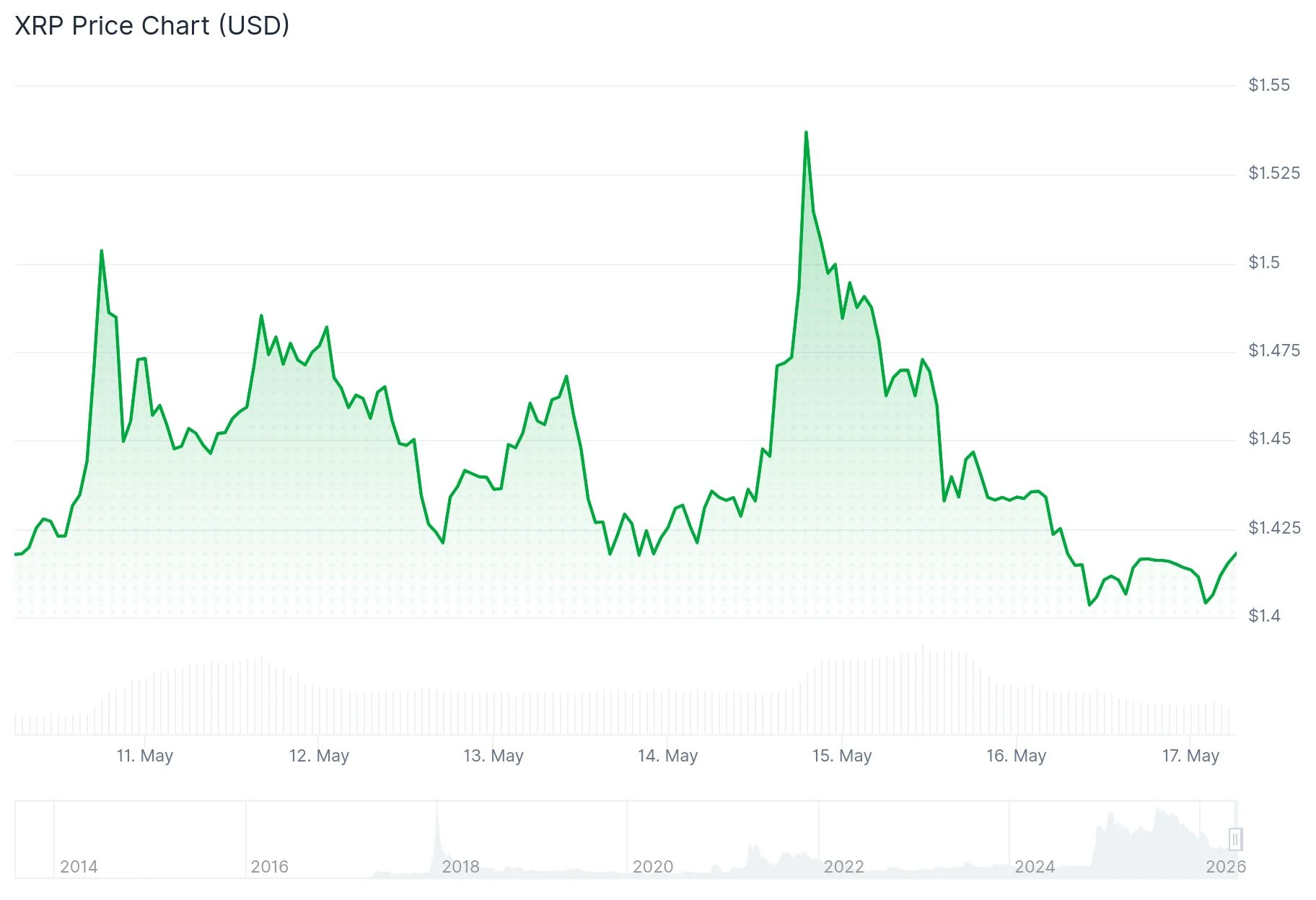
XRP Price Forecast: Could XRP Reach $15 Within Five Years?