

Canadian Dollar Under Pressure as Oil Retreats and USD Holds Firm
BitcoinWorld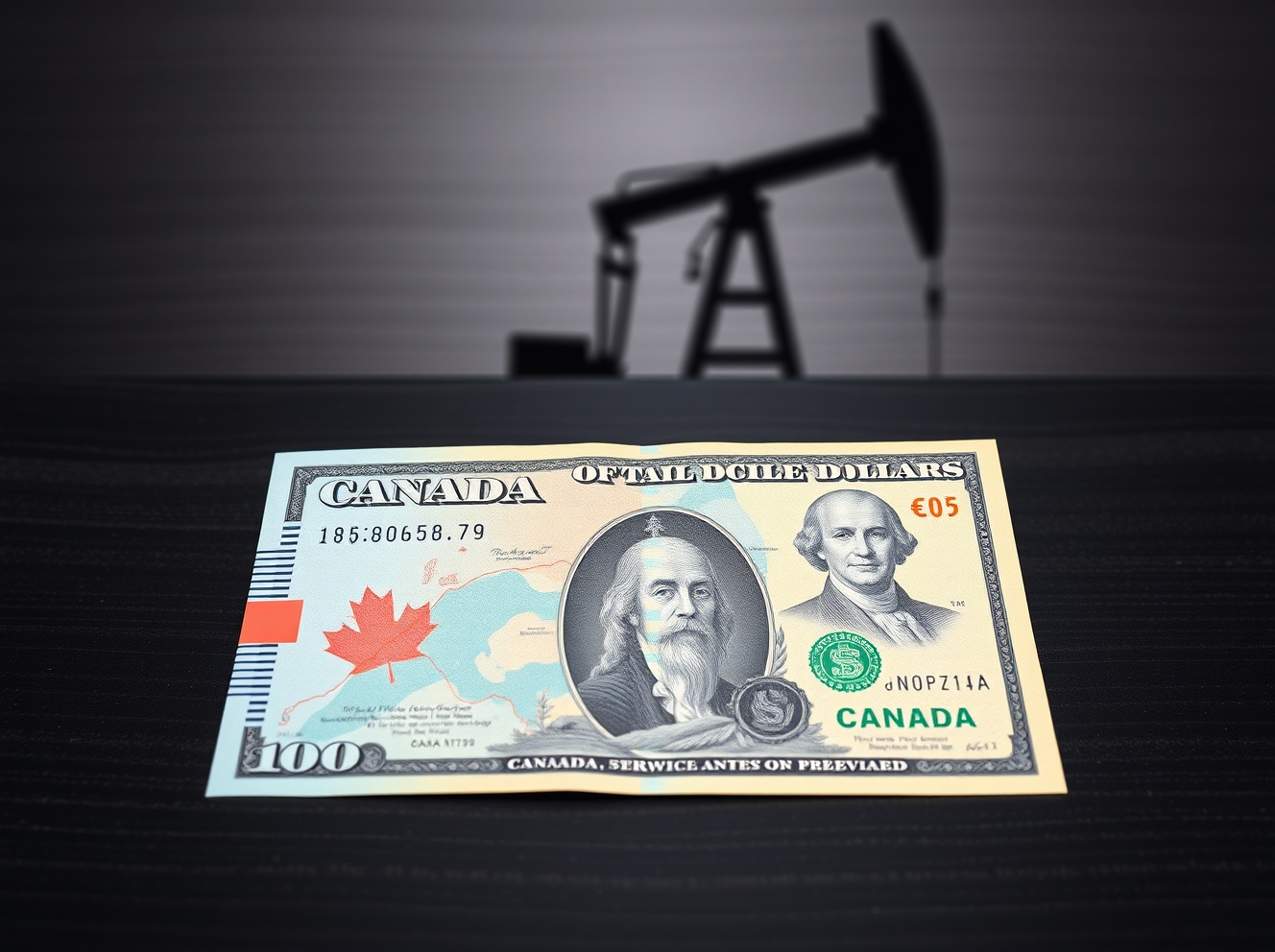
Canadian Dollar Under Pressure as Oil Retreats and USD Holds Firm
The Canadian dollar is trading on the back foot this week, facing renewed selling pressure as crude oil prices ease from recent highs and the US dollar maintains a broadly firm tone. The loonie, which often tracks movements in oil prices due to Canada’s status as a major crude exporter, is struggling to find support amid a complex mix of commodity market dynamics and diverging monetary policy expectations.
Oil Price Easing Weighs on Commodity-Linked Currency
Crude oil prices have slipped in recent sessions, retreating from multi-month peaks as concerns over global demand resurface. Data pointing to slower economic growth in key consuming nations, coupled with signs of increasing supply from non-OPEC producers, has tempered the bullish sentiment that had propelled oil higher earlier in the quarter. For the Canadian dollar, which is highly sensitive to shifts in the energy sector, this pullback removes a key pillar of support. The correlation between WTI crude and USD/CAD remains strong, and the recent decline in oil has been mirrored by a corresponding weakening in the loonie.
USD Strength Persists on Hawkish Fed Outlook
Adding to the headwinds for the Canadian dollar is the continued resilience of the US dollar. The greenback has been supported by a hawkish stance from the Federal Reserve, which has signaled that interest rates may need to stay higher for longer to combat persistent inflation. Strong US economic data, including robust employment figures and sticky services inflation, have reduced market expectations for near-term rate cuts. This policy divergence between the Fed and the Bank of Canada, which is facing its own domestic economic challenges, has widened the interest rate differential in favor of the US, further undermining the loonie.
Bank of Canada Faces Tough Policy Balancing Act
The Bank of Canada is navigating a delicate economic landscape. While inflation has moderated from its peak, core measures remain above the central bank’s 2% target. However, the Canadian economy is showing signs of slowing, with consumer spending weakening and the housing market under pressure from elevated borrowing costs. This creates a dilemma for policymakers: maintaining high rates risks further economic damage, but cutting too early could reignite inflationary pressures. The market is currently pricing in a higher probability of a rate cut by the BoC later this year compared to the Fed, which is a persistent drag on the Canadian dollar.
Broader Market Implications and Key Levels
For forex traders, the USD/CAD pair is a key barometer of these cross-currents. The pair has recently broken above technical resistance levels, suggesting further upside potential in the near term. A sustained move above the 1.3600 handle could open the door toward the 1.3700 region. On the downside, a recovery in oil prices or a more dovish turn from the Fed would be needed to provide meaningful support for the loonie. Beyond the currency pair, the weakness in the Canadian dollar has implications for Canadian importers and consumers, who face higher costs for foreign goods, while exporters may benefit from improved competitiveness.
Conclusion
The Canadian dollar’s current weakness reflects a confluence of external and internal factors. Lower oil prices have removed a traditional source of support, while the persistent strength of the US dollar, driven by a hawkish Fed, has widened the policy gap with the Bank of Canada. The near-term outlook for the loonie appears challenging, hinging on the future path of oil prices and any shifts in central bank policy guidance. Traders will be closely watching upcoming Canadian GDP data and the next round of US inflation figures for fresh catalysts.
FAQs
Q1: Why is the Canadian dollar sensitive to oil prices?
Canada is one of the world’s largest oil producers and exporters. When oil prices rise, the country’s terms of trade improve, attracting foreign capital and boosting the Canadian dollar. Conversely, falling oil prices reduce export revenues and weigh on the currency.
Q2: How does the Federal Reserve’s policy affect USD/CAD?
The Federal Reserve’s interest rate decisions influence the value of the US dollar. A hawkish Fed (raising rates or signaling higher rates for longer) strengthens the USD, which pushes the USD/CAD exchange rate higher (meaning a weaker Canadian dollar).
Q3: What is the current interest rate outlook for the Bank of Canada?
The Bank of Canada has held its key interest rate steady at 5% but has indicated it remains concerned about inflation. Markets are pricing in a potential rate cut later in 2024, but the timing is uncertain and depends on incoming economic data.
This post Canadian Dollar Under Pressure as Oil Retreats and USD Holds Firm first appeared on BitcoinWorld.


추천 콘텐츠

Bitcoin’s Quantum Vulnerability: Poor Wallet Habits Expose 4.12 Million BTC

Rape joke by Bacolod broadcaster sparks outrage, suspension

SGX FX Partners With Chainlink to Bring OTC FX Data Onchain


인기 뉴스
더보기
