South Africa Debt Outlook Improves as Markets Hit Records

Fiscal metrics signal a turning point
South Africa debt outlook is entering a new phase after nearly two decades of rising pressure, according to the National Treasury of South Africa. Government projections indicate that debt will stabilise relative to gross domestic product, marking a notable shift in fiscal trajectory. In addition, the state expects to record a third consecutive primary surplus, reflecting discipline in expenditure management and improved revenue performance.
This stabilisation is significant for investor confidence. For years, analysts flagged debt sustainability as a structural risk. However, firmer tax collection, restrained spending growth, and a more predictable funding strategy have improved perceptions. As a result, sovereign risk indicators have shown gradual easing, supporting broader macroeconomic stability.
Market performance reflects improved sentiment
Capital markets have responded positively to these signals. The benchmark equity index on the Johannesburg Stock Exchange recently reached a record high, driven largely by mining and resource-linked stocks. Surging global metal prices have lifted earnings expectations, particularly for platinum group metals, gold, and base metals producers.
At the same time, a firmer rand has reinforced foreign investor appetite. Currency stability has reduced hedging costs and improved real returns. Therefore, portfolio inflows have remained resilient, even amid uneven global financial conditions.
Commodity cycle supports fiscal and external balances
South Africa’s commodity exposure continues to play a central role in the South Africa debt outlook. Elevated metal prices have strengthened export revenues and supported the current account. This dynamic has also contributed to higher corporate tax receipts, which underpin the projected primary surplus.
According to analysts referencing data trends monitored by the South African Reserve Bank, favourable terms of trade have helped offset domestic constraints. Although structural reforms remain gradual, cyclical tailwinds are providing breathing space for policymakers.
Outlook extends into 2026
Looking ahead, expectations for 2026 remain cautiously constructive. Market participants anticipate that fiscal consolidation will continue, provided expenditure ceilings are maintained. Meanwhile, commodity demand linked to global energy transition trends may sustain metal prices, supporting equity valuations.
International institutions, including the International Monetary Fund, have noted that sustained primary surpluses could gradually rebuild fiscal buffers. Consequently, South Africa debt outlook appears more balanced, combining improved fiscal credibility with market-driven growth opportunities.
The post South Africa Debt Outlook Improves as Markets Hit Records appeared first on FurtherAfrica.
추천 콘텐츠

XRP Price Crashed 69% From its Peak
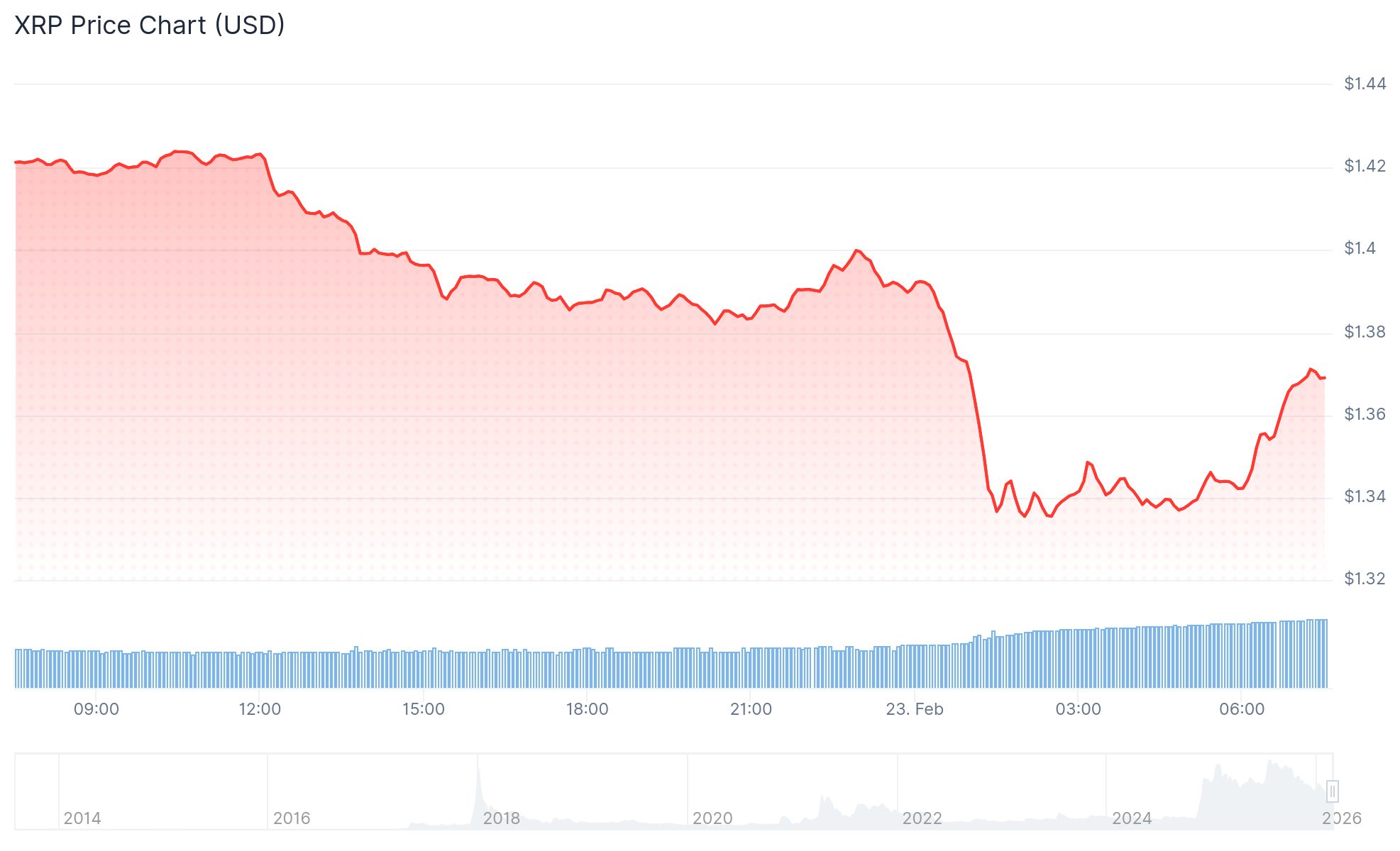
XRP Price: Falls to $1.33 as Realized Losses Hit 39-Month High – Watch These Levels