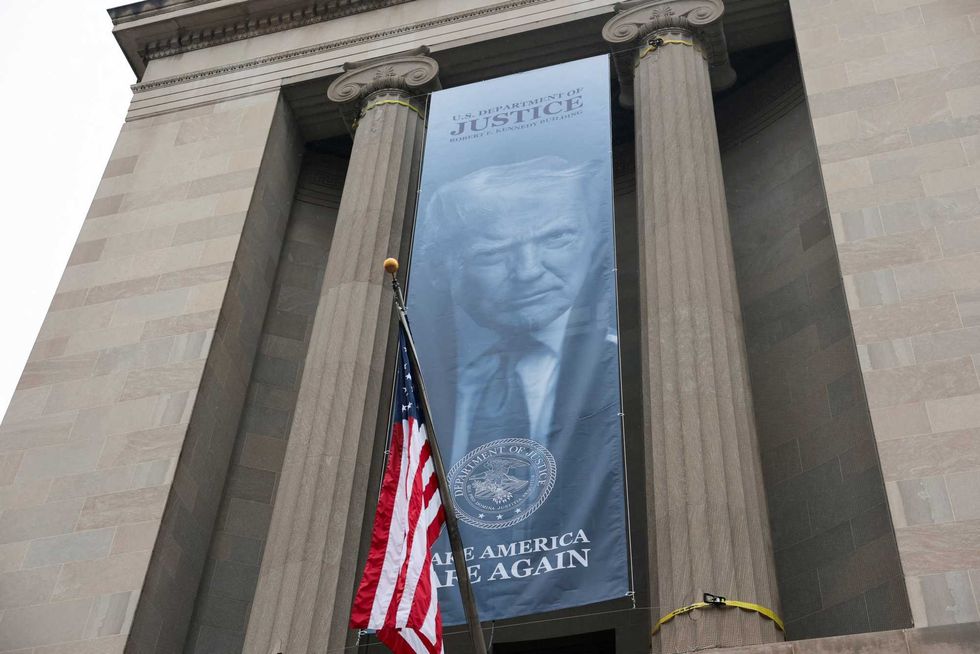
This week marked further progress in the U.S. crypto regulation environment, with President Donald Trump’s administration making moves in favor of digital assets and the Securities and Exchange Commission (SEC) clarifying the legality of liquid staking products. Trump Pushes for Crypto in 401(k) Retirement Accounts President Trump on Thursday signed an executive order that could reshape the future of American retirement savings. The directive urges regulators to identify and remove barriers preventing employers from offering alternative assets—such as cryptocurrencies, private equity, and real estate—in workplace retirement plans known as 401(k)s. The move is part of a broader agenda to diversify investment options for American savers, especially amid inflation concerns and dissatisfaction with traditional pension plans. While the order doesn’t immediately change existing rules, it instructs regulatory bodies, including the Department of Labor and the Treasury, to re-evaluate current restrictions and recommend reforms. By targeting 401(k) limitations, Trump is pushing crypto regulation into mainstream financial planning. If fully implemented, the policy could allow millions of Americans to allocate retirement funds to Bitcoin and other digital assets through regulated channels, effectively legitimizing crypto as a long-term wealth vehicle. Pro-Crypto Economist Stephen Miran Nominated to Fed Board Alongside the retirement reform, Trump announced the nomination of economist Stephen Miran to the Federal Reserve Board of Governors. Miran, who currently serves as chair of the Council of Economic Advisers, is widely viewed as supportive of digital assets and financial innovation. United States Securities and Exchange Commission (SEC) head Paul Atkins doubled down on his commitment to ensuring the next wave of “financial innovation” happens on American soil in an August 4 X post.Paul Atkins Reaffirms U.S. Commitmen… https://t.co/YFYyHDJze2 — Cryptonews.com (@cryptonews) August 4, 2025 Trump made the announcement via Truth Social, stating that Miran will fill the seat vacated by Adriana Kugler, a Biden appointee who recently resigned. Although Miran’s term will run only through January 2026, the decision is being interpreted by analysts as a sign of continuity in Trump’s evolving pro-crypto stance. The news coincided with Bitcoin’s rise back above $117,000—a symbolic reminder of the strong link between crypto markets and policy developments. With Miran on the Fed Board, crypto-friendly monetary policy views could find firmer footing at the U.S. central bank. Association Hails Trump’s Exec Orders as ‘Historic Shift’ Trump’s twin executive orders also drew praise from crypto industry leaders. Summer Mersinger, CEO of the Blockchain Association, called the actions “a historic shift in how the U.S. treats digital assets and the innovators building in this space.” The second order, signed alongside the 401(k) directive, seeks to end the controversial practice of “debanking”—where financial institutions deny services to lawful crypto firms based on perceived reputational risk. The order penalizes banks that discriminate against crypto clients without due cause, a move that could ease operational burdens for blockchain startups and exchanges. Mersinger stated that the executive orders are not only pro-business but also reinforce consumer rights. “Allowing Americans to include regulated, diversified crypto exposure in their retirement accounts expands consumer choice and empowers individuals to responsibly build wealth,” she said. SEC Clarifies Liquid Staking Is Not a Securities Transaction While the executive branch took the spotlight this week, the SEC also made waves by clarifying its stance on liquid staking, a long-awaited issue for the DeFi sector amid crypto regulation concerns. United States Securities and Exchange Commission (SEC) head Paul Atkins doubled down on his commitment to ensuring the next wave of “financial innovation” happens on American soil in an August 4 X post.Paul Atkins Reaffirms U.S. Commitmen… https://t.co/YFYyHDJze2 — Cryptonews.com (@cryptonews) August 4, 2025 In a statement released Tuesday, the SEC’s Division of Corporation Finance explained that certain types of liquid staking models, particularly those involving receipt tokens like Lido’s stETH, do not qualify as securities. This means platforms can offer these services without registering them under securities law, easing fears of regulatory crackdowns. Jason Gottlieb, a partner at Morrison Cohen, welcomed the move, noting that the SEC appears to be maturing in its understanding of crypto mechanics. “At heart, a liquid staking token is just a receipt on a token,” he said. “With the SEC now correctly taking the position that cryptocurrency tokens themselves are not securities, it makes sense that a receipt for a token is not a receipt for a security.” The guidance is expected to boost institutional confidence in liquid staking and may pave the way for regulated DeFi investment products in the U.S. market. SEC Chair Vows to Keep Crypto Development on U.S. Soil Rounding out the week’s crypto regulation developments, newly appointed SEC Chair Paul Atkins reaffirmed his commitment to ensuring crypto innovation happens in the United States. United States Securities and Exchange Commission (SEC) head Paul Atkins doubled down on his commitment to ensuring the next wave of “financial innovation” happens on American soil in an August 4 X post.Paul Atkins Reaffirms U.S. Commitmen… https://t.co/YFYyHDJze2 — Cryptonews.com (@cryptonews) August 4, 2025 In remarks delivered at the America First Policy Institute and later posted on his official X account, Atkins said the SEC under his leadership will be “proactive, not reactive” in building a crypto-friendly regulatory environment. “The SEC will not stand idly by and watch innovations develop overseas while our capital markets remain stagnant,” he said, framing the agency’s future agenda as a bid to reclaim U.S. leadership in digital finance. Atkins’ comments build on a broader shift in tone at the SEC, where officials appear increasingly open to working with the crypto industry rather than policing it through enforcement alone. From Washington to Wall Street, this week shows a growing political will to integrate digital assets into the mainstream financial system. Trump’s executive orders, along with regulatory signs from the SEC, suggest a more constructive environment for both crypto firms and investors heading into the second half of 2025.This week marked further progress in the U.S. crypto regulation environment, with President Donald Trump’s administration making moves in favor of digital assets and the Securities and Exchange Commission (SEC) clarifying the legality of liquid staking products. Trump Pushes for Crypto in 401(k) Retirement Accounts President Trump on Thursday signed an executive order that could reshape the future of American retirement savings. The directive urges regulators to identify and remove barriers preventing employers from offering alternative assets—such as cryptocurrencies, private equity, and real estate—in workplace retirement plans known as 401(k)s. The move is part of a broader agenda to diversify investment options for American savers, especially amid inflation concerns and dissatisfaction with traditional pension plans. While the order doesn’t immediately change existing rules, it instructs regulatory bodies, including the Department of Labor and the Treasury, to re-evaluate current restrictions and recommend reforms. By targeting 401(k) limitations, Trump is pushing crypto regulation into mainstream financial planning. If fully implemented, the policy could allow millions of Americans to allocate retirement funds to Bitcoin and other digital assets through regulated channels, effectively legitimizing crypto as a long-term wealth vehicle. Pro-Crypto Economist Stephen Miran Nominated to Fed Board Alongside the retirement reform, Trump announced the nomination of economist Stephen Miran to the Federal Reserve Board of Governors. Miran, who currently serves as chair of the Council of Economic Advisers, is widely viewed as supportive of digital assets and financial innovation. United States Securities and Exchange Commission (SEC) head Paul Atkins doubled down on his commitment to ensuring the next wave of “financial innovation” happens on American soil in an August 4 X post.Paul Atkins Reaffirms U.S. Commitmen… https://t.co/YFYyHDJze2 — Cryptonews.com (@cryptonews) August 4, 2025 Trump made the announcement via Truth Social, stating that Miran will fill the seat vacated by Adriana Kugler, a Biden appointee who recently resigned. Although Miran’s term will run only through January 2026, the decision is being interpreted by analysts as a sign of continuity in Trump’s evolving pro-crypto stance. The news coincided with Bitcoin’s rise back above $117,000—a symbolic reminder of the strong link between crypto markets and policy developments. With Miran on the Fed Board, crypto-friendly monetary policy views could find firmer footing at the U.S. central bank. Association Hails Trump’s Exec Orders as ‘Historic Shift’ Trump’s twin executive orders also drew praise from crypto industry leaders. Summer Mersinger, CEO of the Blockchain Association, called the actions “a historic shift in how the U.S. treats digital assets and the innovators building in this space.” The second order, signed alongside the 401(k) directive, seeks to end the controversial practice of “debanking”—where financial institutions deny services to lawful crypto firms based on perceived reputational risk. The order penalizes banks that discriminate against crypto clients without due cause, a move that could ease operational burdens for blockchain startups and exchanges. Mersinger stated that the executive orders are not only pro-business but also reinforce consumer rights. “Allowing Americans to include regulated, diversified crypto exposure in their retirement accounts expands consumer choice and empowers individuals to responsibly build wealth,” she said. SEC Clarifies Liquid Staking Is Not a Securities Transaction While the executive branch took the spotlight this week, the SEC also made waves by clarifying its stance on liquid staking, a long-awaited issue for the DeFi sector amid crypto regulation concerns. United States Securities and Exchange Commission (SEC) head Paul Atkins doubled down on his commitment to ensuring the next wave of “financial innovation” happens on American soil in an August 4 X post.Paul Atkins Reaffirms U.S. Commitmen… https://t.co/YFYyHDJze2 — Cryptonews.com (@cryptonews) August 4, 2025 In a statement released Tuesday, the SEC’s Division of Corporation Finance explained that certain types of liquid staking models, particularly those involving receipt tokens like Lido’s stETH, do not qualify as securities. This means platforms can offer these services without registering them under securities law, easing fears of regulatory crackdowns. Jason Gottlieb, a partner at Morrison Cohen, welcomed the move, noting that the SEC appears to be maturing in its understanding of crypto mechanics. “At heart, a liquid staking token is just a receipt on a token,” he said. “With the SEC now correctly taking the position that cryptocurrency tokens themselves are not securities, it makes sense that a receipt for a token is not a receipt for a security.” The guidance is expected to boost institutional confidence in liquid staking and may pave the way for regulated DeFi investment products in the U.S. market. SEC Chair Vows to Keep Crypto Development on U.S. Soil Rounding out the week’s crypto regulation developments, newly appointed SEC Chair Paul Atkins reaffirmed his commitment to ensuring crypto innovation happens in the United States. United States Securities and Exchange Commission (SEC) head Paul Atkins doubled down on his commitment to ensuring the next wave of “financial innovation” happens on American soil in an August 4 X post.Paul Atkins Reaffirms U.S. Commitmen… https://t.co/YFYyHDJze2 — Cryptonews.com (@cryptonews) August 4, 2025 In remarks delivered at the America First Policy Institute and later posted on his official X account, Atkins said the SEC under his leadership will be “proactive, not reactive” in building a crypto-friendly regulatory environment. “The SEC will not stand idly by and watch innovations develop overseas while our capital markets remain stagnant,” he said, framing the agency’s future agenda as a bid to reclaim U.S. leadership in digital finance. Atkins’ comments build on a broader shift in tone at the SEC, where officials appear increasingly open to working with the crypto industry rather than policing it through enforcement alone. From Washington to Wall Street, this week shows a growing political will to integrate digital assets into the mainstream financial system. Trump’s executive orders, along with regulatory signs from the SEC, suggest a more constructive environment for both crypto firms and investors heading into the second half of 2025.


Weekly Crypto Regulation Roundup: Trump Backs Crypto in 401(K) Accounts, and SEC Embraces Liquid Staking

2025/08/09 03:03
5분 읽기
이 콘텐츠에 대한 의견이나 우려 사항이 있으시면 [email protected]으로 연락주시기 바랍니다

This week marked further progress in the U.S. crypto regulation environment, with President Donald Trump’s administration making moves in favor of digital assets and the Securities and Exchange Commission (SEC) clarifying the legality of liquid staking products.

Trump Pushes for Crypto in 401(k) Retirement Accounts

President Trump on Thursday signed an executive order that could reshape the future of American retirement savings. The directive urges regulators to identify and remove barriers preventing employers from offering alternative assets—such as cryptocurrencies, private equity, and real estate—in workplace retirement plans known as 401(k)s.

The move is part of a broader agenda to diversify investment options for American savers, especially amid inflation concerns and dissatisfaction with traditional pension plans.

While the order doesn’t immediately change existing rules, it instructs regulatory bodies, including the Department of Labor and the Treasury, to re-evaluate current restrictions and recommend reforms.

By targeting 401(k) limitations, Trump is pushing crypto regulation into mainstream financial planning. If fully implemented, the policy could allow millions of Americans to allocate retirement funds to Bitcoin and other digital assets through regulated channels, effectively legitimizing crypto as a long-term wealth vehicle.

Pro-Crypto Economist Stephen Miran Nominated to Fed Board

Alongside the retirement reform, Trump announced the nomination of economist Stephen Miran to the Federal Reserve Board of Governors. Miran, who currently serves as chair of the Council of Economic Advisers, is widely viewed as supportive of digital assets and financial innovation.

Trump made the announcement via Truth Social, stating that Miran will fill the seat vacated by Adriana Kugler, a Biden appointee who recently resigned.

Although Miran’s term will run only through January 2026, the decision is being interpreted by analysts as a sign of continuity in Trump’s evolving pro-crypto stance.

The news coincided with Bitcoin’s rise back above $117,000—a symbolic reminder of the strong link between crypto markets and policy developments. With Miran on the Fed Board, crypto-friendly monetary policy views could find firmer footing at the U.S. central bank.

Association Hails Trump’s Exec Orders as ‘Historic Shift’

Trump’s twin executive orders also drew praise from crypto industry leaders. Summer Mersinger, CEO of the Blockchain Association, called the actions “a historic shift in how the U.S. treats digital assets and the innovators building in this space.”

The second order, signed alongside the 401(k) directive, seeks to end the controversial practice of “debanking”—where financial institutions deny services to lawful crypto firms based on perceived reputational risk. The order penalizes banks that discriminate against crypto clients without due cause, a move that could ease operational burdens for blockchain startups and exchanges.

Mersinger stated that the executive orders are not only pro-business but also reinforce consumer rights.

“Allowing Americans to include regulated, diversified crypto exposure in their retirement accounts expands consumer choice and empowers individuals to responsibly build wealth,” she said.

SEC Clarifies Liquid Staking Is Not a Securities Transaction

While the executive branch took the spotlight this week, the SEC also made waves by clarifying its stance on liquid staking, a long-awaited issue for the DeFi sector amid crypto regulation concerns.

In a statement released Tuesday, the SEC’s Division of Corporation Finance explained that certain types of liquid staking models, particularly those involving receipt tokens like Lido’s stETH, do not qualify as securities. This means platforms can offer these services without registering them under securities law, easing fears of regulatory crackdowns.

Jason Gottlieb, a partner at Morrison Cohen, welcomed the move, noting that the SEC appears to be maturing in its understanding of crypto mechanics.

“At heart, a liquid staking token is just a receipt on a token,” he said. “With the SEC now correctly taking the position that cryptocurrency tokens themselves are not securities, it makes sense that a receipt for a token is not a receipt for a security.”

The guidance is expected to boost institutional confidence in liquid staking and may pave the way for regulated DeFi investment products in the U.S. market.

SEC Chair Vows to Keep Crypto Development on U.S. Soil

Rounding out the week’s crypto regulation developments, newly appointed SEC Chair Paul Atkins reaffirmed his commitment to ensuring crypto innovation happens in the United States.

In remarks delivered at the America First Policy Institute and later posted on his official X account, Atkins said the SEC under his leadership will be “proactive, not reactive” in building a crypto-friendly regulatory environment.

“The SEC will not stand idly by and watch innovations develop overseas while our capital markets remain stagnant,” he said, framing the agency’s future agenda as a bid to reclaim U.S. leadership in digital finance.

Atkins’ comments build on a broader shift in tone at the SEC, where officials appear increasingly open to working with the crypto industry rather than policing it through enforcement alone.

From Washington to Wall Street, this week shows a growing political will to integrate digital assets into the mainstream financial system. Trump’s executive orders, along with regulatory signs from the SEC, suggest a more constructive environment for both crypto firms and investors heading into the second half of 2025.

시장 기회
스레숄드 로고
스레숄드 가격(T)
$0.005392
$0.005392$0.005392
+0.20%
USD
스레숄드 (T) 실시간 가격 차트
면책 조항: 본 사이트에 재게시된 글들은 공개 플랫폼에서 가져온 것으로 정보 제공 목적으로만 제공됩니다. 이는 반드시 MEXC의 견해를 반영하는 것은 아닙니다. 모든 권리는 원저자에게 있습니다. 제3자의 권리를 침해하는 콘텐츠가 있다고 판단될 경우, [email protected]으로 연락하여 삭제 요청을 해주시기 바랍니다. MEXC는 콘텐츠의 정확성, 완전성 또는 시의적절성에 대해 어떠한 보증도 하지 않으며, 제공된 정보에 기반하여 취해진 어떠한 조치에 대해서도 책임을 지지 않습니다. 본 콘텐츠는 금융, 법률 또는 기타 전문적인 조언을 구성하지 않으며, MEXC의 추천이나 보증으로 간주되어서는 안 됩니다.

No Chart Skills? Still Profit

No Chart Skills? Still ProfitNo Chart Skills? Still Profit

Copy top traders in 3s with auto trading!