BitcoinWorld WEMIX Compensation: South Korea’s Wemade Faces Crucial $7.1M Payment Order South Korean blockchain game developer Wemade is now facing a significant legal obligation. A recent court ruling mandates the company to pay a substantial sum for WEMIX compensation to its former and current employees. This development sends a clear message across the crypto industry regarding employee agreements and digital asset promises. What’s Behind the WEMIX Compensation Ruling? The Seoul Central District Court delivered a partial victory to a group of plaintiffs on August 22. This civil lawsuit targeted Wemade, ordering the company to pay a total of 9.9 billion won, which translates to approximately $7.1 million USD. This ruling stems from a dispute involving employees who previously worked at Wemade Tree, a former subsidiary of the blockchain gaming giant. The core of the lawsuit revolved around claims that Wemade failed to deliver WEMIX tokens, which had been promised as a vital part of their overall compensation package. Consequently, the court found Wemade liable for these undelivered digital assets, emphasizing the importance of fulfilling such agreements. Why is This Verdict So Crucial for Crypto Companies? This court decision holds immense significance, particularly for companies operating in the rapidly evolving blockchain and cryptocurrency sectors. It sets a precedent, highlighting the legal enforceability of token-based employee incentives. Therefore, companies must approach their digital asset compensation strategies with extreme caution and clarity. The ruling underscores several key takeaways for the industry: Clarity in Token Distribution: All agreements regarding token distribution to employees must be crystal clear, leaving no room for ambiguity. Transparency in Compensation: Companies need to be fully transparent about how and when tokens will be delivered as part of compensation. Legal Enforceability: Promises of crypto assets, like WEMIX compensation, are legally binding and can lead to significant liabilities if not honored. How Does This Impact Wemade and the WEMIX Ecosystem? For Wemade, the immediate impact is a substantial financial payout of $7.1 million. This sum will undoubtedly affect the company’s financial planning. Beyond the monetary aspect, the ruling could also influence Wemade’s reputation within the blockchain community and among potential employees. Maintaining trust is paramount in the crypto space, and legal disputes can sometimes erode that trust. Furthermore, this situation brings renewed attention to the WEMIX token itself. As the primary asset at the center of this compensation dispute, its role in employee incentive programs will likely be scrutinized more closely by other industry players. Lessons Learned: Navigating Employee Token Agreements The Wemade case offers invaluable lessons for any company considering or currently offering crypto tokens as part of employee compensation. It demonstrates that verbal or vaguely documented promises can lead to serious legal and financial repercussions. Businesses must establish robust legal frameworks for their digital asset programs. Here are actionable insights for blockchain companies: Document Everything: Ensure all token promises, vesting schedules, and delivery mechanisms are meticulously documented in legally binding contracts. Seek Expert Legal Counsel: Engage legal professionals specializing in blockchain and employment law to draft and review all compensation agreements. Manage Expectations: Clearly communicate the risks, benefits, and market volatility associated with token compensation to employees. Regular Review: Periodically review and update token compensation policies to align with evolving legal and regulatory landscapes. In conclusion, the Seoul Central District Court’s order for Wemade to pay $7.1 million in WEMIX compensation serves as a powerful reminder. It highlights the critical need for meticulous planning, transparency, and legal diligence when structuring employee incentive programs involving digital assets. This case will likely influence how future crypto companies approach token-based compensation, ensuring greater protection for employees and clearer obligations for employers. Frequently Asked Questions (FAQs) 1. What is the WEMIX compensation lawsuit about? The lawsuit involves former and current employees of Wemade Tree, a former Wemade subsidiary, who claimed they were not paid the promised WEMIX tokens as part of their compensation. 2. Who are the plaintiffs in this case? The plaintiffs are a group of former and current employees who worked at Wemade Tree, the blockchain game developer’s former subsidiary. 3. What was the court’s decision regarding Wemade? The Seoul Central District Court ruled partly in favor of the plaintiffs, ordering Wemade to pay a total of 9.9 billion won (approximately $7.1 million) in damages. 4. What does this ruling mean for other blockchain companies? This ruling emphasizes the legal enforceability of token-based employee compensation agreements, urging other blockchain companies to ensure clarity, transparency, and robust legal documentation for their digital asset programs. 5. How much did Wemade have to pay in total? Wemade was ordered to pay 9.9 billion won, which is approximately $7.1 million USD, in WEMIX compensation to the employees. Did you find this article informative? Share it with your network to help others understand the crucial implications of this WEMIX compensation ruling for the crypto industry! To learn more about the latest crypto market trends, explore our article on key developments shaping blockchain gaming employee incentives. This post WEMIX Compensation: South Korea’s Wemade Faces Crucial $7.1M Payment Order first appeared on BitcoinWorld and is written by Editorial TeamBitcoinWorld WEMIX Compensation: South Korea’s Wemade Faces Crucial $7.1M Payment Order South Korean blockchain game developer Wemade is now facing a significant legal obligation. A recent court ruling mandates the company to pay a substantial sum for WEMIX compensation to its former and current employees. This development sends a clear message across the crypto industry regarding employee agreements and digital asset promises. What’s Behind the WEMIX Compensation Ruling? The Seoul Central District Court delivered a partial victory to a group of plaintiffs on August 22. This civil lawsuit targeted Wemade, ordering the company to pay a total of 9.9 billion won, which translates to approximately $7.1 million USD. This ruling stems from a dispute involving employees who previously worked at Wemade Tree, a former subsidiary of the blockchain gaming giant. The core of the lawsuit revolved around claims that Wemade failed to deliver WEMIX tokens, which had been promised as a vital part of their overall compensation package. Consequently, the court found Wemade liable for these undelivered digital assets, emphasizing the importance of fulfilling such agreements. Why is This Verdict So Crucial for Crypto Companies? This court decision holds immense significance, particularly for companies operating in the rapidly evolving blockchain and cryptocurrency sectors. It sets a precedent, highlighting the legal enforceability of token-based employee incentives. Therefore, companies must approach their digital asset compensation strategies with extreme caution and clarity. The ruling underscores several key takeaways for the industry: Clarity in Token Distribution: All agreements regarding token distribution to employees must be crystal clear, leaving no room for ambiguity. Transparency in Compensation: Companies need to be fully transparent about how and when tokens will be delivered as part of compensation. Legal Enforceability: Promises of crypto assets, like WEMIX compensation, are legally binding and can lead to significant liabilities if not honored. How Does This Impact Wemade and the WEMIX Ecosystem? For Wemade, the immediate impact is a substantial financial payout of $7.1 million. This sum will undoubtedly affect the company’s financial planning. Beyond the monetary aspect, the ruling could also influence Wemade’s reputation within the blockchain community and among potential employees. Maintaining trust is paramount in the crypto space, and legal disputes can sometimes erode that trust. Furthermore, this situation brings renewed attention to the WEMIX token itself. As the primary asset at the center of this compensation dispute, its role in employee incentive programs will likely be scrutinized more closely by other industry players. Lessons Learned: Navigating Employee Token Agreements The Wemade case offers invaluable lessons for any company considering or currently offering crypto tokens as part of employee compensation. It demonstrates that verbal or vaguely documented promises can lead to serious legal and financial repercussions. Businesses must establish robust legal frameworks for their digital asset programs. Here are actionable insights for blockchain companies: Document Everything: Ensure all token promises, vesting schedules, and delivery mechanisms are meticulously documented in legally binding contracts. Seek Expert Legal Counsel: Engage legal professionals specializing in blockchain and employment law to draft and review all compensation agreements. Manage Expectations: Clearly communicate the risks, benefits, and market volatility associated with token compensation to employees. Regular Review: Periodically review and update token compensation policies to align with evolving legal and regulatory landscapes. In conclusion, the Seoul Central District Court’s order for Wemade to pay $7.1 million in WEMIX compensation serves as a powerful reminder. It highlights the critical need for meticulous planning, transparency, and legal diligence when structuring employee incentive programs involving digital assets. This case will likely influence how future crypto companies approach token-based compensation, ensuring greater protection for employees and clearer obligations for employers. Frequently Asked Questions (FAQs) 1. What is the WEMIX compensation lawsuit about? The lawsuit involves former and current employees of Wemade Tree, a former Wemade subsidiary, who claimed they were not paid the promised WEMIX tokens as part of their compensation. 2. Who are the plaintiffs in this case? The plaintiffs are a group of former and current employees who worked at Wemade Tree, the blockchain game developer’s former subsidiary. 3. What was the court’s decision regarding Wemade? The Seoul Central District Court ruled partly in favor of the plaintiffs, ordering Wemade to pay a total of 9.9 billion won (approximately $7.1 million) in damages. 4. What does this ruling mean for other blockchain companies? This ruling emphasizes the legal enforceability of token-based employee compensation agreements, urging other blockchain companies to ensure clarity, transparency, and robust legal documentation for their digital asset programs. 5. How much did Wemade have to pay in total? Wemade was ordered to pay 9.9 billion won, which is approximately $7.1 million USD, in WEMIX compensation to the employees. Did you find this article informative? Share it with your network to help others understand the crucial implications of this WEMIX compensation ruling for the crypto industry! To learn more about the latest crypto market trends, explore our article on key developments shaping blockchain gaming employee incentives. This post WEMIX Compensation: South Korea’s Wemade Faces Crucial $7.1M Payment Order first appeared on BitcoinWorld and is written by Editorial Team

WEMIX Compensation: South Korea’s Wemade Faces Crucial $7.1M Payment Order

2025/08/22 15:30
5분 읽기
이 콘텐츠에 대한 의견이나 우려 사항이 있으시면 [email protected]으로 연락주시기 바랍니다

BitcoinWorld

WEMIX Compensation: South Korea’s Wemade Faces Crucial $7.1M Payment Order

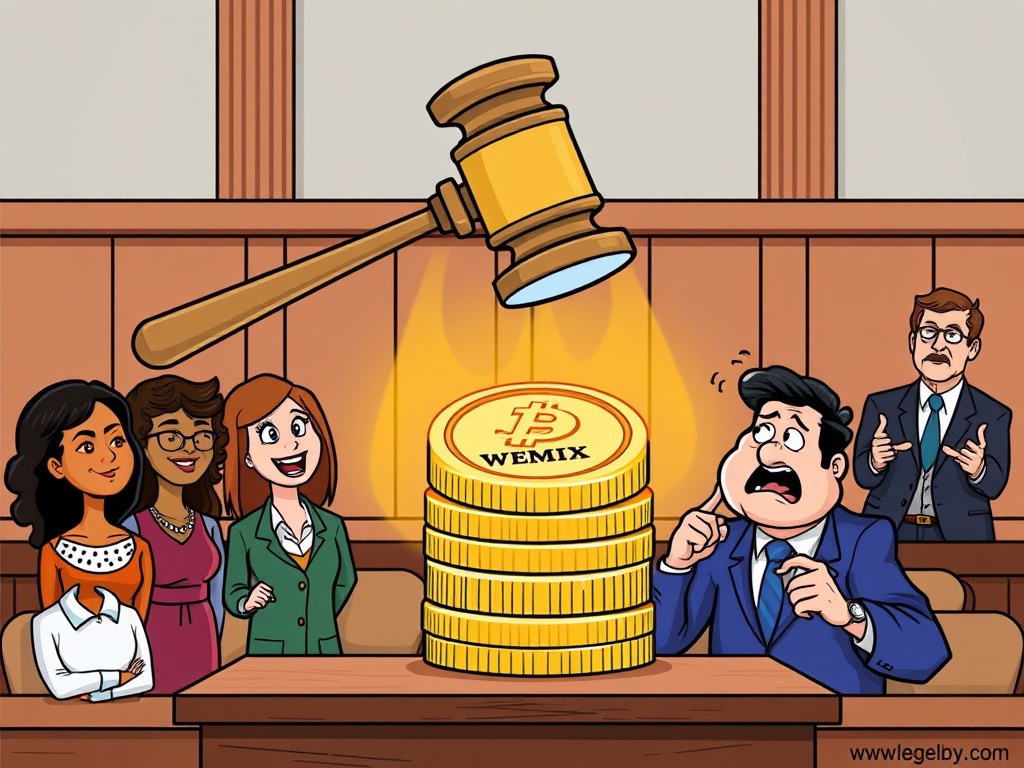
South Korean blockchain game developer Wemade is now facing a significant legal obligation. A recent court ruling mandates the company to pay a substantial sum for WEMIX compensation to its former and current employees. This development sends a clear message across the crypto industry regarding employee agreements and digital asset promises.

What’s Behind the WEMIX Compensation Ruling?

The Seoul Central District Court delivered a partial victory to a group of plaintiffs on August 22. This civil lawsuit targeted Wemade, ordering the company to pay a total of 9.9 billion won, which translates to approximately $7.1 million USD. This ruling stems from a dispute involving employees who previously worked at Wemade Tree, a former subsidiary of the blockchain gaming giant.

The core of the lawsuit revolved around claims that Wemade failed to deliver WEMIX tokens, which had been promised as a vital part of their overall compensation package. Consequently, the court found Wemade liable for these undelivered digital assets, emphasizing the importance of fulfilling such agreements.

Why is This Verdict So Crucial for Crypto Companies?

This court decision holds immense significance, particularly for companies operating in the rapidly evolving blockchain and cryptocurrency sectors. It sets a precedent, highlighting the legal enforceability of token-based employee incentives. Therefore, companies must approach their digital asset compensation strategies with extreme caution and clarity.

The ruling underscores several key takeaways for the industry:

  • Clarity in Token Distribution: All agreements regarding token distribution to employees must be crystal clear, leaving no room for ambiguity.
  • Transparency in Compensation: Companies need to be fully transparent about how and when tokens will be delivered as part of compensation.
  • Legal Enforceability: Promises of crypto assets, like WEMIX compensation, are legally binding and can lead to significant liabilities if not honored.

How Does This Impact Wemade and the WEMIX Ecosystem?

For Wemade, the immediate impact is a substantial financial payout of $7.1 million. This sum will undoubtedly affect the company’s financial planning. Beyond the monetary aspect, the ruling could also influence Wemade’s reputation within the blockchain community and among potential employees. Maintaining trust is paramount in the crypto space, and legal disputes can sometimes erode that trust.

Furthermore, this situation brings renewed attention to the WEMIX token itself. As the primary asset at the center of this compensation dispute, its role in employee incentive programs will likely be scrutinized more closely by other industry players.

Lessons Learned: Navigating Employee Token Agreements

The Wemade case offers invaluable lessons for any company considering or currently offering crypto tokens as part of employee compensation. It demonstrates that verbal or vaguely documented promises can lead to serious legal and financial repercussions. Businesses must establish robust legal frameworks for their digital asset programs.

Here are actionable insights for blockchain companies:

  • Document Everything: Ensure all token promises, vesting schedules, and delivery mechanisms are meticulously documented in legally binding contracts.
  • Seek Expert Legal Counsel: Engage legal professionals specializing in blockchain and employment law to draft and review all compensation agreements.
  • Manage Expectations: Clearly communicate the risks, benefits, and market volatility associated with token compensation to employees.
  • Regular Review: Periodically review and update token compensation policies to align with evolving legal and regulatory landscapes.

In conclusion, the Seoul Central District Court’s order for Wemade to pay $7.1 million in WEMIX compensation serves as a powerful reminder. It highlights the critical need for meticulous planning, transparency, and legal diligence when structuring employee incentive programs involving digital assets. This case will likely influence how future crypto companies approach token-based compensation, ensuring greater protection for employees and clearer obligations for employers.

Frequently Asked Questions (FAQs)

1. What is the WEMIX compensation lawsuit about?

The lawsuit involves former and current employees of Wemade Tree, a former Wemade subsidiary, who claimed they were not paid the promised WEMIX tokens as part of their compensation.

2. Who are the plaintiffs in this case?

The plaintiffs are a group of former and current employees who worked at Wemade Tree, the blockchain game developer’s former subsidiary.

3. What was the court’s decision regarding Wemade?

The Seoul Central District Court ruled partly in favor of the plaintiffs, ordering Wemade to pay a total of 9.9 billion won (approximately $7.1 million) in damages.

4. What does this ruling mean for other blockchain companies?

This ruling emphasizes the legal enforceability of token-based employee compensation agreements, urging other blockchain companies to ensure clarity, transparency, and robust legal documentation for their digital asset programs.

5. How much did Wemade have to pay in total?

Wemade was ordered to pay 9.9 billion won, which is approximately $7.1 million USD, in WEMIX compensation to the employees.

Did you find this article informative? Share it with your network to help others understand the crucial implications of this WEMIX compensation ruling for the crypto industry!

To learn more about the latest crypto market trends, explore our article on key developments shaping blockchain gaming employee incentives.

This post WEMIX Compensation: South Korea’s Wemade Faces Crucial $7.1M Payment Order first appeared on BitcoinWorld and is written by Editorial Team


면책 조항: 본 사이트에 재게시된 글들은 공개 플랫폼에서 가져온 것으로 정보 제공 목적으로만 제공됩니다. 이는 반드시 MEXC의 견해를 반영하는 것은 아닙니다. 모든 권리는 원저자에게 있습니다. 제3자의 권리를 침해하는 콘텐츠가 있다고 판단될 경우, [email protected]으로 연락하여 삭제 요청을 해주시기 바랍니다. MEXC는 콘텐츠의 정확성, 완전성 또는 시의적절성에 대해 어떠한 보증도 하지 않으며, 제공된 정보에 기반하여 취해진 어떠한 조치에 대해서도 책임을 지지 않습니다. 본 콘텐츠는 금융, 법률 또는 기타 전문적인 조언을 구성하지 않으며, MEXC의 추천이나 보증으로 간주되어서는 안 됩니다.

No Chart Skills? Still Profit

No Chart Skills? Still ProfitNo Chart Skills? Still Profit

Copy top traders in 3s with auto trading!