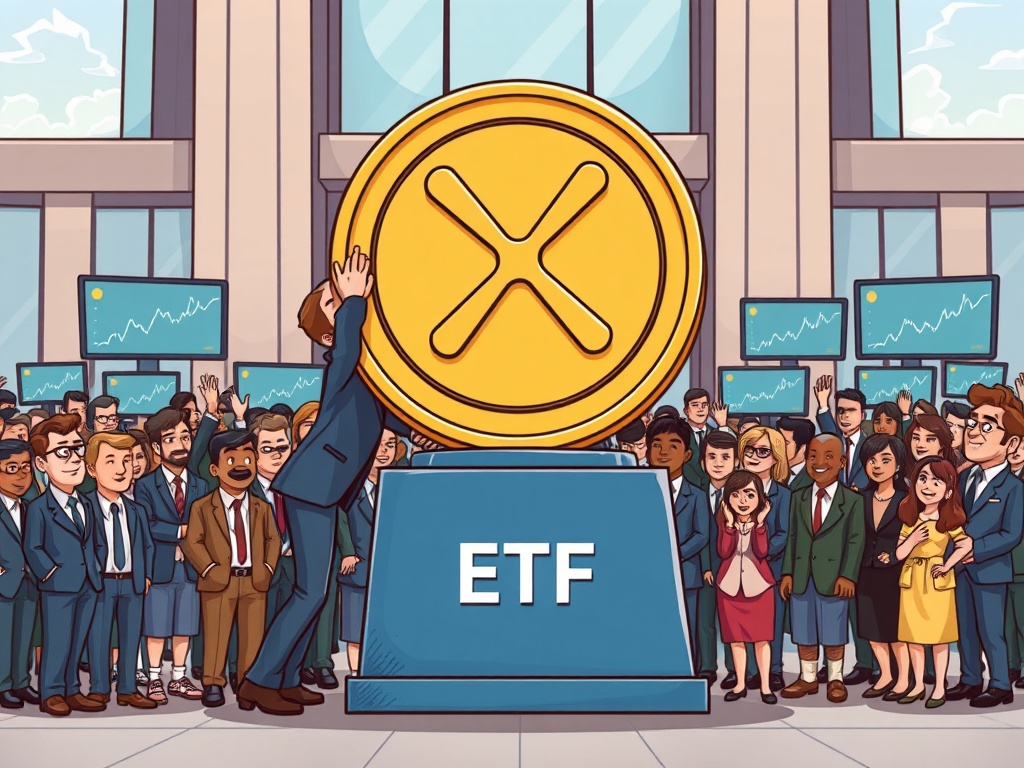
BitcoinWorld XRP ETF: Grayscale’s Bold Move Could Transform Crypto Investing Exciting news is rippling through the cryptocurrency world! Grayscale, a leading digital asset manager, has officially submitted an S-1 filing with the U.S. Securities and Exchange Commission (SEC) for a proposed XRP ETF. This significant development, first reported by Watcher Guru on X, marks a crucial step toward potentially bringing XRP, the digital asset powering Ripple’s payment network, into a more mainstream investment vehicle. For many, this filing signals a growing institutional interest in diversifying crypto investment options beyond Bitcoin and Ethereum. What Does Grayscale’s XRP ETF Filing Mean? When Grayscale files an S-1, it is essentially a registration statement required by the SEC for new securities offerings. It provides a comprehensive overview of the proposed fund, including its structure, investment objectives, and risks. This move indicates Grayscale’s serious intent to launch an XRP ETF, making it easier for traditional investors to gain exposure to XRP without directly holding the digital asset. The SEC’s review process for such filings can be lengthy and involves thorough scrutiny. An S-1 filing is a necessary prerequisite before any ETF can be considered for approval. It is a formal declaration of intent and a detailed blueprint for how the fund would operate. Why is an XRP ETF a Game Changer for Investors? The potential approval of an XRP ETF offers several compelling benefits. First, it simplifies access. Investors can buy shares of the ETF through traditional brokerage accounts, eliminating the complexities of crypto wallets, exchanges, and private key management. This ease of access significantly lowers the barrier to entry for many. Increased Liquidity: An ETF often brings greater liquidity to the underlying asset, making it easier to buy and sell. Regulatory Clarity: SEC oversight provides a layer of trust and regulatory clarity, appealing to institutional investors and those hesitant about the unregulated nature of some crypto markets. Diversification: It allows investors to diversify their crypto holdings beyond the dominant Bitcoin and Ethereum ETFs. This development could unlock substantial capital from institutional funds and retail investors who prefer regulated products. It truly represents a new era for digital asset investment. Navigating the Path: Challenges and Regulatory Hurdles for the XRP ETF While the prospect of an XRP ETF is thrilling, the path to approval is not without its challenges. The SEC has historically been cautious with crypto-related products, especially those involving assets that have faced regulatory scrutiny. XRP’s legal status in the U.S. has been a point of contention, with the SEC previously suing Ripple, alleging XRP is an unregistered security. However, recent court rulings have provided some clarity, distinguishing between institutional sales and programmatic sales on exchanges. This legal progress might pave a smoother way for an XRP ETF, but the SEC’s final decision remains uncertain. Grayscale must convince regulators that the fund meets all investor protection requirements, a task that demands meticulous detail and compliance. Looking Ahead: The Potential Impact of an Approved XRP ETF Should the SEC grant approval for an XRP ETF, the implications for the broader cryptocurrency market could be profound. Such an approval would not only legitimize XRP further as an investable asset but also set a precedent for other altcoins to follow suit. It would signal a maturing market where digital assets are increasingly integrated into traditional finance. We could see a surge in demand for XRP, potentially impacting its price and market capitalization. More importantly, it would represent a significant win for crypto advocates pushing for broader institutional adoption and regulated investment products. The market will be watching closely as this unfolds, eager to witness the next chapter in crypto investment. Grayscale’s S-1 filing for an XRP ETF is undeniably a pivotal moment for the cryptocurrency ecosystem. It underscores the relentless drive towards integrating digital assets into traditional financial frameworks. While the journey to approval may be complex, the potential benefits for investors and the broader market are immense. This move highlights a future where accessing innovative digital assets like XRP becomes as straightforward as investing in traditional stocks. The crypto world holds its breath, anticipating the SEC’s next steps with great anticipation. Frequently Asked Questions (FAQs) What is an S-1 filing? An S-1 filing is a registration statement required by the U.S. SEC for new securities offerings. It provides detailed information about a company or fund looking to go public or offer new investment products, like an ETF. Why is an XRP ETF significant? An XRP ETF is significant because it would allow traditional investors to gain exposure to XRP through a regulated and easily accessible investment vehicle, potentially boosting liquidity and institutional adoption for the asset. What are the main benefits of an XRP ETF? Key benefits include simplified access for investors, increased liquidity for XRP, and enhanced regulatory clarity and oversight, which can attract more institutional capital. What challenges does an XRP ETF face? The primary challenges include obtaining SEC approval, which has historically been cautious with crypto products, and navigating the ongoing regulatory discussions surrounding XRP’s legal classification. How does this impact XRP’s legal status? While an S-1 filing does not change XRP’s legal status directly, an SEC approval of an XRP ETF would implicitly acknowledge XRP as a legitimate asset for a regulated investment product, building on recent positive court rulings. If you found this insight into Grayscale’s groundbreaking XRP ETF filing valuable, don’t keep it to yourself! Share this article with your network on social media to spread awareness about this exciting development in the crypto space. Let’s discuss the future of digital asset investing together! To learn more about the latest crypto market trends, explore our article on key developments shaping XRP institutional adoption. This post XRP ETF: Grayscale’s Bold Move Could Transform Crypto Investing first appeared on BitcoinWorld and is written by Editorial TeamBitcoinWorld XRP ETF: Grayscale’s Bold Move Could Transform Crypto Investing Exciting news is rippling through the cryptocurrency world! Grayscale, a leading digital asset manager, has officially submitted an S-1 filing with the U.S. Securities and Exchange Commission (SEC) for a proposed XRP ETF. This significant development, first reported by Watcher Guru on X, marks a crucial step toward potentially bringing XRP, the digital asset powering Ripple’s payment network, into a more mainstream investment vehicle. For many, this filing signals a growing institutional interest in diversifying crypto investment options beyond Bitcoin and Ethereum. What Does Grayscale’s XRP ETF Filing Mean? When Grayscale files an S-1, it is essentially a registration statement required by the SEC for new securities offerings. It provides a comprehensive overview of the proposed fund, including its structure, investment objectives, and risks. This move indicates Grayscale’s serious intent to launch an XRP ETF, making it easier for traditional investors to gain exposure to XRP without directly holding the digital asset. The SEC’s review process for such filings can be lengthy and involves thorough scrutiny. An S-1 filing is a necessary prerequisite before any ETF can be considered for approval. It is a formal declaration of intent and a detailed blueprint for how the fund would operate. Why is an XRP ETF a Game Changer for Investors? The potential approval of an XRP ETF offers several compelling benefits. First, it simplifies access. Investors can buy shares of the ETF through traditional brokerage accounts, eliminating the complexities of crypto wallets, exchanges, and private key management. This ease of access significantly lowers the barrier to entry for many. Increased Liquidity: An ETF often brings greater liquidity to the underlying asset, making it easier to buy and sell. Regulatory Clarity: SEC oversight provides a layer of trust and regulatory clarity, appealing to institutional investors and those hesitant about the unregulated nature of some crypto markets. Diversification: It allows investors to diversify their crypto holdings beyond the dominant Bitcoin and Ethereum ETFs. This development could unlock substantial capital from institutional funds and retail investors who prefer regulated products. It truly represents a new era for digital asset investment. Navigating the Path: Challenges and Regulatory Hurdles for the XRP ETF While the prospect of an XRP ETF is thrilling, the path to approval is not without its challenges. The SEC has historically been cautious with crypto-related products, especially those involving assets that have faced regulatory scrutiny. XRP’s legal status in the U.S. has been a point of contention, with the SEC previously suing Ripple, alleging XRP is an unregistered security. However, recent court rulings have provided some clarity, distinguishing between institutional sales and programmatic sales on exchanges. This legal progress might pave a smoother way for an XRP ETF, but the SEC’s final decision remains uncertain. Grayscale must convince regulators that the fund meets all investor protection requirements, a task that demands meticulous detail and compliance. Looking Ahead: The Potential Impact of an Approved XRP ETF Should the SEC grant approval for an XRP ETF, the implications for the broader cryptocurrency market could be profound. Such an approval would not only legitimize XRP further as an investable asset but also set a precedent for other altcoins to follow suit. It would signal a maturing market where digital assets are increasingly integrated into traditional finance. We could see a surge in demand for XRP, potentially impacting its price and market capitalization. More importantly, it would represent a significant win for crypto advocates pushing for broader institutional adoption and regulated investment products. The market will be watching closely as this unfolds, eager to witness the next chapter in crypto investment. Grayscale’s S-1 filing for an XRP ETF is undeniably a pivotal moment for the cryptocurrency ecosystem. It underscores the relentless drive towards integrating digital assets into traditional financial frameworks. While the journey to approval may be complex, the potential benefits for investors and the broader market are immense. This move highlights a future where accessing innovative digital assets like XRP becomes as straightforward as investing in traditional stocks. The crypto world holds its breath, anticipating the SEC’s next steps with great anticipation. Frequently Asked Questions (FAQs) What is an S-1 filing? An S-1 filing is a registration statement required by the U.S. SEC for new securities offerings. It provides detailed information about a company or fund looking to go public or offer new investment products, like an ETF. Why is an XRP ETF significant? An XRP ETF is significant because it would allow traditional investors to gain exposure to XRP through a regulated and easily accessible investment vehicle, potentially boosting liquidity and institutional adoption for the asset. What are the main benefits of an XRP ETF? Key benefits include simplified access for investors, increased liquidity for XRP, and enhanced regulatory clarity and oversight, which can attract more institutional capital. What challenges does an XRP ETF face? The primary challenges include obtaining SEC approval, which has historically been cautious with crypto products, and navigating the ongoing regulatory discussions surrounding XRP’s legal classification. How does this impact XRP’s legal status? While an S-1 filing does not change XRP’s legal status directly, an SEC approval of an XRP ETF would implicitly acknowledge XRP as a legitimate asset for a regulated investment product, building on recent positive court rulings. If you found this insight into Grayscale’s groundbreaking XRP ETF filing valuable, don’t keep it to yourself! Share this article with your network on social media to spread awareness about this exciting development in the crypto space. Let’s discuss the future of digital asset investing together! To learn more about the latest crypto market trends, explore our article on key developments shaping XRP institutional adoption. This post XRP ETF: Grayscale’s Bold Move Could Transform Crypto Investing first appeared on BitcoinWorld and is written by Editorial Team


XRP ETF: Grayscale’s Bold Move Could Transform Crypto Investing

2025/08/23 07:25
5분 읽기
이 콘텐츠에 대한 의견이나 우려 사항이 있으시면 [email protected]으로 연락주시기 바랍니다

BitcoinWorld

XRP ETF: Grayscale’s Bold Move Could Transform Crypto Investing

Exciting news is rippling through the cryptocurrency world! Grayscale, a leading digital asset manager, has officially submitted an S-1 filing with the U.S. Securities and Exchange Commission (SEC) for a proposed XRP ETF. This significant development, first reported by Watcher Guru on X, marks a crucial step toward potentially bringing XRP, the digital asset powering Ripple’s payment network, into a more mainstream investment vehicle. For many, this filing signals a growing institutional interest in diversifying crypto investment options beyond Bitcoin and Ethereum.

What Does Grayscale’s XRP ETF Filing Mean?

When Grayscale files an S-1, it is essentially a registration statement required by the SEC for new securities offerings. It provides a comprehensive overview of the proposed fund, including its structure, investment objectives, and risks. This move indicates Grayscale’s serious intent to launch an XRP ETF, making it easier for traditional investors to gain exposure to XRP without directly holding the digital asset.

The SEC’s review process for such filings can be lengthy and involves thorough scrutiny. An S-1 filing is a necessary prerequisite before any ETF can be considered for approval. It is a formal declaration of intent and a detailed blueprint for how the fund would operate.

Why is an XRP ETF a Game Changer for Investors?

The potential approval of an XRP ETF offers several compelling benefits. First, it simplifies access. Investors can buy shares of the ETF through traditional brokerage accounts, eliminating the complexities of crypto wallets, exchanges, and private key management. This ease of access significantly lowers the barrier to entry for many.

  • Increased Liquidity: An ETF often brings greater liquidity to the underlying asset, making it easier to buy and sell.
  • Regulatory Clarity: SEC oversight provides a layer of trust and regulatory clarity, appealing to institutional investors and those hesitant about the unregulated nature of some crypto markets.
  • Diversification: It allows investors to diversify their crypto holdings beyond the dominant Bitcoin and Ethereum ETFs.

This development could unlock substantial capital from institutional funds and retail investors who prefer regulated products. It truly represents a new era for digital asset investment.

Navigating the Path: Challenges and Regulatory Hurdles for the XRP ETF

While the prospect of an XRP ETF is thrilling, the path to approval is not without its challenges. The SEC has historically been cautious with crypto-related products, especially those involving assets that have faced regulatory scrutiny. XRP’s legal status in the U.S. has been a point of contention, with the SEC previously suing Ripple, alleging XRP is an unregistered security.

However, recent court rulings have provided some clarity, distinguishing between institutional sales and programmatic sales on exchanges. This legal progress might pave a smoother way for an XRP ETF, but the SEC’s final decision remains uncertain. Grayscale must convince regulators that the fund meets all investor protection requirements, a task that demands meticulous detail and compliance.

Looking Ahead: The Potential Impact of an Approved XRP ETF

Should the SEC grant approval for an XRP ETF, the implications for the broader cryptocurrency market could be profound. Such an approval would not only legitimize XRP further as an investable asset but also set a precedent for other altcoins to follow suit. It would signal a maturing market where digital assets are increasingly integrated into traditional finance.

We could see a surge in demand for XRP, potentially impacting its price and market capitalization. More importantly, it would represent a significant win for crypto advocates pushing for broader institutional adoption and regulated investment products. The market will be watching closely as this unfolds, eager to witness the next chapter in crypto investment.

Grayscale’s S-1 filing for an XRP ETF is undeniably a pivotal moment for the cryptocurrency ecosystem. It underscores the relentless drive towards integrating digital assets into traditional financial frameworks. While the journey to approval may be complex, the potential benefits for investors and the broader market are immense. This move highlights a future where accessing innovative digital assets like XRP becomes as straightforward as investing in traditional stocks. The crypto world holds its breath, anticipating the SEC’s next steps with great anticipation.

Frequently Asked Questions (FAQs)

What is an S-1 filing?
An S-1 filing is a registration statement required by the U.S. SEC for new securities offerings. It provides detailed information about a company or fund looking to go public or offer new investment products, like an ETF.

Why is an XRP ETF significant?
An XRP ETF is significant because it would allow traditional investors to gain exposure to XRP through a regulated and easily accessible investment vehicle, potentially boosting liquidity and institutional adoption for the asset.

What are the main benefits of an XRP ETF?
Key benefits include simplified access for investors, increased liquidity for XRP, and enhanced regulatory clarity and oversight, which can attract more institutional capital.

What challenges does an XRP ETF face?
The primary challenges include obtaining SEC approval, which has historically been cautious with crypto products, and navigating the ongoing regulatory discussions surrounding XRP’s legal classification.

How does this impact XRP’s legal status?
While an S-1 filing does not change XRP’s legal status directly, an SEC approval of an XRP ETF would implicitly acknowledge XRP as a legitimate asset for a regulated investment product, building on recent positive court rulings.

If you found this insight into Grayscale’s groundbreaking XRP ETF filing valuable, don’t keep it to yourself! Share this article with your network on social media to spread awareness about this exciting development in the crypto space. Let’s discuss the future of digital asset investing together!

To learn more about the latest crypto market trends, explore our article on key developments shaping XRP institutional adoption.

This post XRP ETF: Grayscale’s Bold Move Could Transform Crypto Investing first appeared on BitcoinWorld and is written by Editorial Team

시장 기회
스레숄드 로고
스레숄드 가격(T)
$0.005316
$0.005316$0.005316
-0.20%
USD
스레숄드 (T) 실시간 가격 차트
면책 조항: 본 사이트에 재게시된 글들은 공개 플랫폼에서 가져온 것으로 정보 제공 목적으로만 제공됩니다. 이는 반드시 MEXC의 견해를 반영하는 것은 아닙니다. 모든 권리는 원저자에게 있습니다. 제3자의 권리를 침해하는 콘텐츠가 있다고 판단될 경우, [email protected]으로 연락하여 삭제 요청을 해주시기 바랍니다. MEXC는 콘텐츠의 정확성, 완전성 또는 시의적절성에 대해 어떠한 보증도 하지 않으며, 제공된 정보에 기반하여 취해진 어떠한 조치에 대해서도 책임을 지지 않습니다. 본 콘텐츠는 금융, 법률 또는 기타 전문적인 조언을 구성하지 않으며, MEXC의 추천이나 보증으로 간주되어서는 안 됩니다.

No Chart Skills? Still Profit

No Chart Skills? Still ProfitNo Chart Skills? Still Profit

Copy top traders in 3s with auto trading!