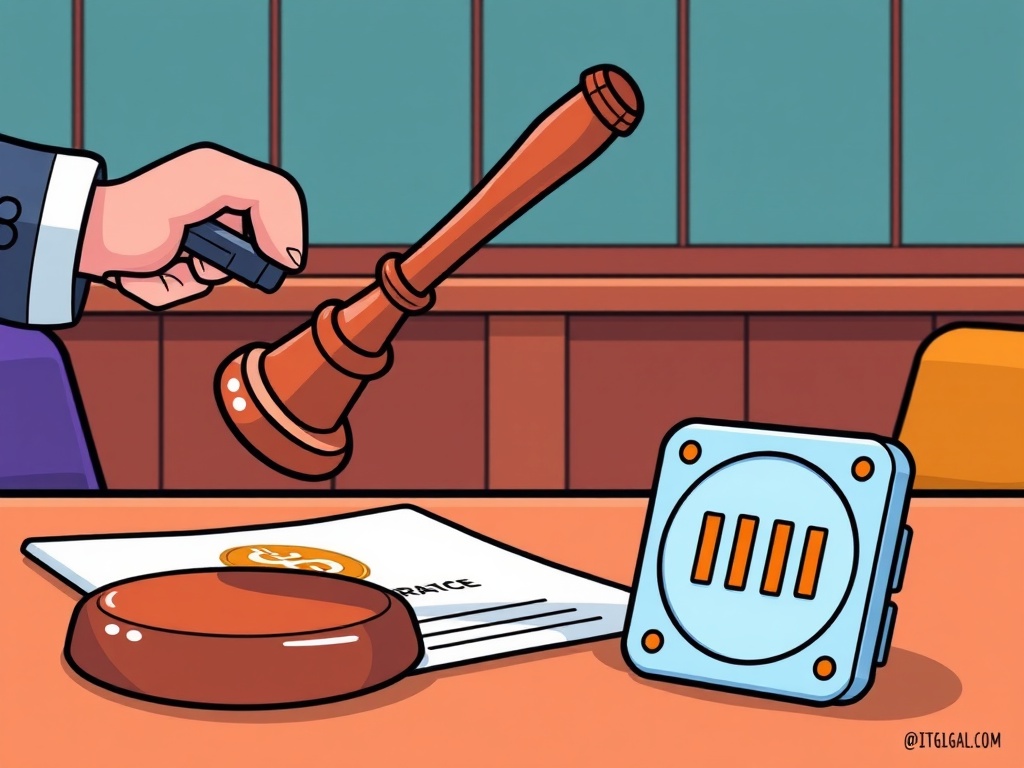
BitcoinWorld Coinbase Privacy Lawsuit: Crucial Proceedings Temporarily Halted by U.S. Court In a significant development for the cryptocurrency world, a U.S. District Court has decided to temporarily suspend a vital legal battle. The , which accused the popular crypto exchange of violating Illinois’ Biometric Information Privacy Act (BIPA), is now on hold. This pause raises compelling questions about user data, privacy, and the future of Know Your Customer (KYC) processes in the digital asset space. What’s Happening with the Coinbase Privacy Lawsuit? The U.S. District Court for the Northern District of Illinois Eastern Division recently issued an order to temporarily halt the lawsuit against Coinbase. This case centers on allegations that the exchange improperly collected and shared biometric data. According to a report by Cointelegraph, the court explained its decision by stating that a stay would: Simplify the issues at hand. Streamline the trial process. Reduce the burden of litigation on both the court and the parties involved. Not unduly prejudice or tactically disadvantage the plaintiffs. This decision means that while the lawsuit isn’t dismissed, its progress is paused for the time being. Understanding the Biometric Information Privacy Act (BIPA) To truly grasp the gravity of the , it’s essential to understand BIPA. The Illinois Biometric Information Privacy Act is a pioneering state law enacted in 2008. It is considered one of the strictest biometric privacy laws in the United States. Essentially, BIPA mandates that companies must: Obtain informed consent before collecting, storing, or sharing biometric data (like face scans, fingerprints, or voiceprints). Provide a publicly available retention schedule and guidelines for permanently destroying biometric data. Not profit from a person’s biometric data. This law gives individuals the right to sue companies that violate its provisions, leading to potentially substantial damages. Allegations Against Coinbase: Why the Lawsuit? The lawsuit against Coinbase was initially filed in May. It brought forth serious accusations concerning the exchange’s handling of user data. Specifically, the plaintiffs claimed that Coinbase engaged in the “wholesale collection” of faceprints. This collection allegedly occurred during its mandatory Know Your Customer (KYC) process. Moreover, the lawsuit asserted that Coinbase shared these sensitive biometric data points with third-party authentication companies. Crucially, these actions were allegedly carried out without obtaining the explicit consent of its users, a direct violation of BIPA’s core requirements. The outcome of this could set a significant precedent for how crypto platforms manage user identity verification. What Does This Suspension Mean for Crypto Users? The temporary halt in the doesn’t diminish the underlying concerns about digital privacy and data security. For Coinbase users, it means the legal battle regarding their biometric data is in a state of limbo. However, it also highlights the increasing scrutiny crypto exchanges face concerning their data handling practices. This case serves as a powerful reminder for all users to carefully review the privacy policies of platforms they use. It emphasizes the importance of understanding what data is collected, how it is used, and with whom it might be shared. The crypto industry, known for its focus on decentralization and privacy, must navigate these legal challenges carefully to maintain user trust. Looking Ahead: The Path Forward While the proceedings are suspended, the is far from over. The court’s decision for a stay suggests a desire to streamline complex legal arguments, perhaps awaiting clarity on related legal matters or allowing parties to explore settlement options. As the crypto landscape continues to evolve, so too will the legal frameworks governing it. The resolution of this case will undoubtedly influence how other crypto exchanges approach biometric data collection and privacy compliance moving forward. Summary: A Pause, Not an End, for Coinbase’s Privacy Battle The U.S. court’s decision to temporarily suspend the marks a pivotal moment in the ongoing discussion about digital privacy within the crypto sector. While the immediate legal pressure on Coinbase might be eased, the core issues of biometric data collection and user consent remain paramount. This case underscores the growing importance of robust privacy practices and transparency for all companies operating in the digital realm, especially those handling sensitive user information. Frequently Asked Questions (FAQs) 1. What is the Coinbase privacy lawsuit about? The lawsuit alleges that Coinbase violated Illinois’ Biometric Information Privacy Act (BIPA) by collecting users’ faceprints for its KYC process and sharing them with third-party companies without explicit consent. 2. Why did the U.S. court suspend the proceedings? The court suspended the proceedings to simplify issues, streamline the trial, reduce litigation burden, and avoid prejudicing or tactically disadvantaging the plaintiffs. 3. What is the Biometric Information Privacy Act (BIPA)? BIPA is an Illinois state law requiring companies to obtain informed consent before collecting, storing, or sharing biometric data, and to have clear data retention and destruction policies. 4. How does this suspension affect Coinbase users? For now, the legal battle regarding user biometric data is on hold. It highlights the importance for users to review privacy policies and understand how their data is handled by crypto platforms. 5. What happens next in this Coinbase privacy lawsuit case? The lawsuit is temporarily paused, but not dismissed. The court may lift the stay at a later date, or the parties might explore settlement options. The case’s eventual resolution will likely set precedents for the crypto industry’s privacy practices. If you found this article informative, please consider sharing it with your network on social media to keep others informed about these crucial developments in crypto privacy! To learn more about the latest crypto privacy trends, explore our article on key developments shaping digital rights and their legal implications. This post Coinbase Privacy Lawsuit: Crucial Proceedings Temporarily Halted by U.S. Court first appeared on BitcoinWorld and is written by Editorial TeamBitcoinWorld Coinbase Privacy Lawsuit: Crucial Proceedings Temporarily Halted by U.S. Court In a significant development for the cryptocurrency world, a U.S. District Court has decided to temporarily suspend a vital legal battle. The , which accused the popular crypto exchange of violating Illinois’ Biometric Information Privacy Act (BIPA), is now on hold. This pause raises compelling questions about user data, privacy, and the future of Know Your Customer (KYC) processes in the digital asset space. What’s Happening with the Coinbase Privacy Lawsuit? The U.S. District Court for the Northern District of Illinois Eastern Division recently issued an order to temporarily halt the lawsuit against Coinbase. This case centers on allegations that the exchange improperly collected and shared biometric data. According to a report by Cointelegraph, the court explained its decision by stating that a stay would: Simplify the issues at hand. Streamline the trial process. Reduce the burden of litigation on both the court and the parties involved. Not unduly prejudice or tactically disadvantage the plaintiffs. This decision means that while the lawsuit isn’t dismissed, its progress is paused for the time being. Understanding the Biometric Information Privacy Act (BIPA) To truly grasp the gravity of the , it’s essential to understand BIPA. The Illinois Biometric Information Privacy Act is a pioneering state law enacted in 2008. It is considered one of the strictest biometric privacy laws in the United States. Essentially, BIPA mandates that companies must: Obtain informed consent before collecting, storing, or sharing biometric data (like face scans, fingerprints, or voiceprints). Provide a publicly available retention schedule and guidelines for permanently destroying biometric data. Not profit from a person’s biometric data. This law gives individuals the right to sue companies that violate its provisions, leading to potentially substantial damages. Allegations Against Coinbase: Why the Lawsuit? The lawsuit against Coinbase was initially filed in May. It brought forth serious accusations concerning the exchange’s handling of user data. Specifically, the plaintiffs claimed that Coinbase engaged in the “wholesale collection” of faceprints. This collection allegedly occurred during its mandatory Know Your Customer (KYC) process. Moreover, the lawsuit asserted that Coinbase shared these sensitive biometric data points with third-party authentication companies. Crucially, these actions were allegedly carried out without obtaining the explicit consent of its users, a direct violation of BIPA’s core requirements. The outcome of this could set a significant precedent for how crypto platforms manage user identity verification. What Does This Suspension Mean for Crypto Users? The temporary halt in the doesn’t diminish the underlying concerns about digital privacy and data security. For Coinbase users, it means the legal battle regarding their biometric data is in a state of limbo. However, it also highlights the increasing scrutiny crypto exchanges face concerning their data handling practices. This case serves as a powerful reminder for all users to carefully review the privacy policies of platforms they use. It emphasizes the importance of understanding what data is collected, how it is used, and with whom it might be shared. The crypto industry, known for its focus on decentralization and privacy, must navigate these legal challenges carefully to maintain user trust. Looking Ahead: The Path Forward While the proceedings are suspended, the is far from over. The court’s decision for a stay suggests a desire to streamline complex legal arguments, perhaps awaiting clarity on related legal matters or allowing parties to explore settlement options. As the crypto landscape continues to evolve, so too will the legal frameworks governing it. The resolution of this case will undoubtedly influence how other crypto exchanges approach biometric data collection and privacy compliance moving forward. Summary: A Pause, Not an End, for Coinbase’s Privacy Battle The U.S. court’s decision to temporarily suspend the marks a pivotal moment in the ongoing discussion about digital privacy within the crypto sector. While the immediate legal pressure on Coinbase might be eased, the core issues of biometric data collection and user consent remain paramount. This case underscores the growing importance of robust privacy practices and transparency for all companies operating in the digital realm, especially those handling sensitive user information. Frequently Asked Questions (FAQs) 1. What is the Coinbase privacy lawsuit about? The lawsuit alleges that Coinbase violated Illinois’ Biometric Information Privacy Act (BIPA) by collecting users’ faceprints for its KYC process and sharing them with third-party companies without explicit consent. 2. Why did the U.S. court suspend the proceedings? The court suspended the proceedings to simplify issues, streamline the trial, reduce litigation burden, and avoid prejudicing or tactically disadvantaging the plaintiffs. 3. What is the Biometric Information Privacy Act (BIPA)? BIPA is an Illinois state law requiring companies to obtain informed consent before collecting, storing, or sharing biometric data, and to have clear data retention and destruction policies. 4. How does this suspension affect Coinbase users? For now, the legal battle regarding user biometric data is on hold. It highlights the importance for users to review privacy policies and understand how their data is handled by crypto platforms. 5. What happens next in this Coinbase privacy lawsuit case? The lawsuit is temporarily paused, but not dismissed. The court may lift the stay at a later date, or the parties might explore settlement options. The case’s eventual resolution will likely set precedents for the crypto industry’s privacy practices. If you found this article informative, please consider sharing it with your network on social media to keep others informed about these crucial developments in crypto privacy! To learn more about the latest crypto privacy trends, explore our article on key developments shaping digital rights and their legal implications. This post Coinbase Privacy Lawsuit: Crucial Proceedings Temporarily Halted by U.S. Court first appeared on BitcoinWorld and is written by Editorial Team


Coinbase Privacy Lawsuit: Crucial Proceedings Temporarily Halted by U.S. Court

2025/08/23 10:45
5분 읽기
이 콘텐츠에 대한 의견이나 우려 사항이 있으시면 [email protected]으로 연락주시기 바랍니다

BitcoinWorld

Coinbase Privacy Lawsuit: Crucial Proceedings Temporarily Halted by U.S. Court

In a significant development for the cryptocurrency world, a U.S. District Court has decided to temporarily suspend a vital legal battle. The , which accused the popular crypto exchange of violating Illinois’ Biometric Information Privacy Act (BIPA), is now on hold. This pause raises compelling questions about user data, privacy, and the future of Know Your Customer (KYC) processes in the digital asset space.

What’s Happening with the Coinbase Privacy Lawsuit?

The U.S. District Court for the Northern District of Illinois Eastern Division recently issued an order to temporarily halt the lawsuit against Coinbase. This case centers on allegations that the exchange improperly collected and shared biometric data.

According to a report by Cointelegraph, the court explained its decision by stating that a stay would:

  • Simplify the issues at hand.
  • Streamline the trial process.
  • Reduce the burden of litigation on both the court and the parties involved.
  • Not unduly prejudice or tactically disadvantage the plaintiffs.

This decision means that while the lawsuit isn’t dismissed, its progress is paused for the time being.

Understanding the Biometric Information Privacy Act (BIPA)

To truly grasp the gravity of the , it’s essential to understand BIPA. The Illinois Biometric Information Privacy Act is a pioneering state law enacted in 2008. It is considered one of the strictest biometric privacy laws in the United States. Essentially, BIPA mandates that companies must:

  • Obtain informed consent before collecting, storing, or sharing biometric data (like face scans, fingerprints, or voiceprints).
  • Provide a publicly available retention schedule and guidelines for permanently destroying biometric data.
  • Not profit from a person’s biometric data.

This law gives individuals the right to sue companies that violate its provisions, leading to potentially substantial damages.

Allegations Against Coinbase: Why the Lawsuit?

The lawsuit against Coinbase was initially filed in May. It brought forth serious accusations concerning the exchange’s handling of user data. Specifically, the plaintiffs claimed that Coinbase engaged in the “wholesale collection” of faceprints. This collection allegedly occurred during its mandatory Know Your Customer (KYC) process.

Moreover, the lawsuit asserted that Coinbase shared these sensitive biometric data points with third-party authentication companies. Crucially, these actions were allegedly carried out without obtaining the explicit consent of its users, a direct violation of BIPA’s core requirements. The outcome of this could set a significant precedent for how crypto platforms manage user identity verification.

What Does This Suspension Mean for Crypto Users?

The temporary halt in the doesn’t diminish the underlying concerns about digital privacy and data security. For Coinbase users, it means the legal battle regarding their biometric data is in a state of limbo. However, it also highlights the increasing scrutiny crypto exchanges face concerning their data handling practices.

This case serves as a powerful reminder for all users to carefully review the privacy policies of platforms they use. It emphasizes the importance of understanding what data is collected, how it is used, and with whom it might be shared. The crypto industry, known for its focus on decentralization and privacy, must navigate these legal challenges carefully to maintain user trust.

Looking Ahead: The Path Forward

While the proceedings are suspended, the is far from over. The court’s decision for a stay suggests a desire to streamline complex legal arguments, perhaps awaiting clarity on related legal matters or allowing parties to explore settlement options. As the crypto landscape continues to evolve, so too will the legal frameworks governing it. The resolution of this case will undoubtedly influence how other crypto exchanges approach biometric data collection and privacy compliance moving forward.

Summary: A Pause, Not an End, for Coinbase’s Privacy Battle

The U.S. court’s decision to temporarily suspend the marks a pivotal moment in the ongoing discussion about digital privacy within the crypto sector. While the immediate legal pressure on Coinbase might be eased, the core issues of biometric data collection and user consent remain paramount. This case underscores the growing importance of robust privacy practices and transparency for all companies operating in the digital realm, especially those handling sensitive user information.

Frequently Asked Questions (FAQs)

1. What is the Coinbase privacy lawsuit about?
The lawsuit alleges that Coinbase violated Illinois’ Biometric Information Privacy Act (BIPA) by collecting users’ faceprints for its KYC process and sharing them with third-party companies without explicit consent.

2. Why did the U.S. court suspend the proceedings?
The court suspended the proceedings to simplify issues, streamline the trial, reduce litigation burden, and avoid prejudicing or tactically disadvantaging the plaintiffs.

3. What is the Biometric Information Privacy Act (BIPA)?
BIPA is an Illinois state law requiring companies to obtain informed consent before collecting, storing, or sharing biometric data, and to have clear data retention and destruction policies.

4. How does this suspension affect Coinbase users?
For now, the legal battle regarding user biometric data is on hold. It highlights the importance for users to review privacy policies and understand how their data is handled by crypto platforms.

5. What happens next in this Coinbase privacy lawsuit case?
The lawsuit is temporarily paused, but not dismissed. The court may lift the stay at a later date, or the parties might explore settlement options. The case’s eventual resolution will likely set precedents for the crypto industry’s privacy practices.

If you found this article informative, please consider sharing it with your network on social media to keep others informed about these crucial developments in crypto privacy!

To learn more about the latest crypto privacy trends, explore our article on key developments shaping digital rights and their legal implications.

This post Coinbase Privacy Lawsuit: Crucial Proceedings Temporarily Halted by U.S. Court first appeared on BitcoinWorld and is written by Editorial Team

시장 기회
스레숄드 로고
스레숄드 가격(T)
$0.005335
$0.005335$0.005335
+0.15%
USD
스레숄드 (T) 실시간 가격 차트
면책 조항: 본 사이트에 재게시된 글들은 공개 플랫폼에서 가져온 것으로 정보 제공 목적으로만 제공됩니다. 이는 반드시 MEXC의 견해를 반영하는 것은 아닙니다. 모든 권리는 원저자에게 있습니다. 제3자의 권리를 침해하는 콘텐츠가 있다고 판단될 경우, [email protected]으로 연락하여 삭제 요청을 해주시기 바랍니다. MEXC는 콘텐츠의 정확성, 완전성 또는 시의적절성에 대해 어떠한 보증도 하지 않으며, 제공된 정보에 기반하여 취해진 어떠한 조치에 대해서도 책임을 지지 않습니다. 본 콘텐츠는 금융, 법률 또는 기타 전문적인 조언을 구성하지 않으며, MEXC의 추천이나 보증으로 간주되어서는 안 됩니다.

No Chart Skills? Still Profit

No Chart Skills? Still ProfitNo Chart Skills? Still Profit

Copy top traders in 3s with auto trading!