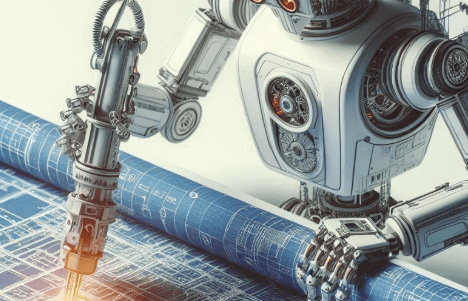
As we move through 2026, the Business world has reached a critical turning point in human capital management. Artificial Intelligence is no longer just a “recruitment assistant”; it has become the primary architect of the talent pipeline. However, with this power comes a new professional mandate: Algorithmic Fairness. For modern management, the goal is to use Technology to eliminate human bias, while ensuring the algorithms themselves do not create new, systemic inequities. In 2026, a company’s reputation is defined by its ability to prove that its AI-driven hiring and promotion systems are fair, transparent, and ethically sound.
1. The 2026 Shift: From Screening to Conversational Assessment
The most visible change in the 2026 hiring landscape is the move toward “Conversational AI Assessments.” Traditional resume filtering has been replaced by dynamic, context-aware interactions that prioritize potential over history.

-
Contextual Understanding over Keywords: Previous AI systems simply scanned for keywords. In 2026, advanced Natural Language Processing (NLP) allows AI to understand the context of a candidate’s experience. If a candidate describes a complex project, the AI probes for specific contributions and soft skills, ensuring that talented individuals aren’t overlooked simply because they used different terminology.
-
Voice-First Autonomous Screening: To reduce scheduling friction, high-volume Business sectors are utilizing voice-AI interviewers. These systems conduct initial screenings in multiple languages, ensuring every candidate receives a consistent, high-quality interaction at their own convenience.
-
Adaptive Evaluation Paths: Modern assessments now adapt in real-time. If a candidate shows a slight gap in technical skills but excels in problem-solving logic, the AI shifts the evaluation path to focus on “Learning Agility.” This ensures the Business identifies “Untapped Talent” that traditional systems might have rejected.
2. Safeguarding the Pipeline: Bias Mitigation by Design
In 2026, “Fairness-by-Design” is the industry standard. Leading organizations are no longer auditing for bias after the fact; they are building mitigation directly into their Technology stacks.
-
The Mathematics of Fairness: Management now uses sophisticated metrics like “Equalized Odds” and “Counterfactual Fairness.” These tools help ensure that an AI’s decision—such as recommending a candidate for a promotion—remains the same regardless of protected attributes like gender, age, or ethnicity.
-
Continuous Algorithmic Auditing: Under new 2026 global regulations, such as the EU AI Act, businesses must conduct quarterly “Fairness Audits.” These audits use “Synthetic Bias Testing” to intentionally probe the AI for hidden discriminatory patterns, allowing for “On-the-Fly” corrections before they impact real-world outcomes.
-
Blind AI Screening: To eliminate “Historical Bias,” many AI platforms now operate in a “Blind Mode” by default. The system evaluates skills, psychometric scores, and cognitive traits without ever accessing demographic data, leading to a measurable increase in workforce diversity.
[Image showing a dashboard for ‘Algorithmic Fairness’ with real-time diversity metrics, bias alert signals, and candidate equity scores]
3. Digital Marketing and the “Employer Brand of Trust”
In a hyper-competitive talent market, Digital Marketing is the tool used to communicate a company’s ethical stance. The Sovereign Consumer and the modern job seeker both demand transparency in how Artificial Intelligence is used.
-
Radical Transparency Portals: Top-tier companies now provide candidates with “AI Disclosure Statements.” These portals explain exactly what data the AI is looking for, how it weights certain skills, and provide a clear “Right to Appeal” to a human recruiter.
-
Inclusivity Scoring in Job Postings: Marketers use AI-driven “Tone Checkers” to ensure that job descriptions are free from gendered language or cultural bias. This proactive approach ensures the brand attracts a diverse pool of applicants from the very first touchpoint.
-
The “Human-in-the-Loop” Guarantee: Digital Marketing campaigns in 2026 emphasize the “Human-Machine Partnership.” Brands are successfully positioning themselves by guaranteeing that while AI assists in the search, the final “Life-Changing” decisions—like hiring and promotions—are always made by empathetic human leaders.
4. Management: The Transition to Agentic HR
The role of the HR manager in 2026 has evolved from administrative oversight to “Value Architecture.” As AI agents handle the orchestration of interviews and scoring, human leaders focus on the “Soul” of the organization.
-
From Recruiter to Talent Strategist: Managers are moving away from tactical hiring toward “Strategic Workforce Forecasting.” Using AI-driven people analytics, they can predict future skills gaps and design personalized development pathways for current employees, fostering internal mobility.
-
Ethical Gatekeeping: The CHRO (Chief Human Resources Officer) is now the primary steward of the “Human-Machine Enterprise.” Their responsibility is to ensure that the autonomy given to AI agents is balanced with strict ethical checkpoints and human oversight.
-
Leading “Voluntary Armies”: In an era where employees can work from anywhere and for anyone, trust is the primary motivator. 2026 management focuses on “Human-Centric Leadership,” using AI to remove the “Drudge Work” so that leaders can spend more time on coaching, mentorship, and building a culture of belonging.
Summary: The 2026 Talent Matrix
| Feature | Legacy Model (2023) | 2026 Agentic & Fair Model |
| Screening | Static Resume Filtering | Dynamic Conversational AI |
| Bias Control | Occasional Retrospective Audit | Continuous, Real-Time Mitigation |
| Data Usage | Opacity / “Black Box” | Radical Transparency & Consent |
| Manager Role | Process Compliance | Ethical Orchestration & Coaching |
Conclusion: The Future of Fair Growth
As we look toward the remainder of 2026, the integration of Artificial Intelligence in hiring and promotions represents a profound opportunity to build a more equitable world. However, the machine is only as fair as the data we provide and the ethics we enforce.
By embracing “Algorithmic Fairness” as a core Business strategy, organizations can do more than just improve efficiency; they can build a high-trust, high-performance culture that attracts the best talent. The goal for 2026 is clear: use Technology to uncover the brilliance in everyone, and use human leadership to ensure that brilliance is nurtured and rewarded fairly.