Africa’s Creative Economy Could Reach $200bn — If Markets Capture the Value

For decades, Africa’s economic narrative has revolved around what lies beneath its soil. Oil, gold, copper and cocoa have shaped export balances and fiscal debates. Culture, meanwhile, was treated as soft power — influential, expressive, but secondary to the “real” economy.
That distinction is fading.
Analysis published by the Brookings Institution suggests that Africa’s creative economy could generate up to US$200 billion in annual revenues by 2030. The figure is a projection, not a certainty, but it reflects a structural shift already underway. Music, film, fashion, gaming and digital content are no longer peripheral activities. They are emerging as scalable, exportable industries with measurable macroeconomic impact.
The transformation is being driven by demography and digitisation. Africa’s youthful population is both a production engine and a consumer base. At the same time, digital distribution has dismantled the traditional barriers that once confined African cultural output to domestic markets. Streaming platforms, mobile payment systems and social media networks have allowed creators to monetise directly, often bypassing the physical infrastructure constraints that historically limited growth.
The result is not merely global visibility, but global revenue. Afrobeats artists now dominate international charts. Nollywood productions are streamed across continents. African fashion houses are entering global retail channels. Gaming studios are emerging in cities that, until recently, were absent from global tech maps.
This shift carries financial implications. Creative industries generate intellectual property rather than extractive commodities. They require less capital intensity than mining or hydrocarbons, yet they produce foreign exchange earnings, employment and domestic value retention. In economies seeking diversification, that combination is strategically attractive.
Yet the opportunity is not automatic. Revenue capture depends on intellectual property enforcement, reliable broadband, efficient digital payments and regulatory clarity. Without these foundations, value leaks outward through informal distribution and weak contractual frameworks.
The countries that recognise the creative economy as industrial policy rather than cultural policy will move first. Structured financing for media companies, tax incentives for digital studios and cross-border IP protections could determine which markets capture scale and which remain fragmented.
The projection of a US$200 billion creative sector by 2030 is therefore less a forecast than a challenge. Africa’s cultural capital is already proven. The question is whether policy, infrastructure and capital markets will align quickly enough to convert global cultural influence into sustained economic power.
Markets are beginning to notice. And once capital begins to follow creativity, growth can compound.
The post Africa’s Creative Economy Could Reach $200bn — If Markets Capture the Value appeared first on FurtherAfrica.
추천 콘텐츠

XRP Price Crashed 69% From its Peak
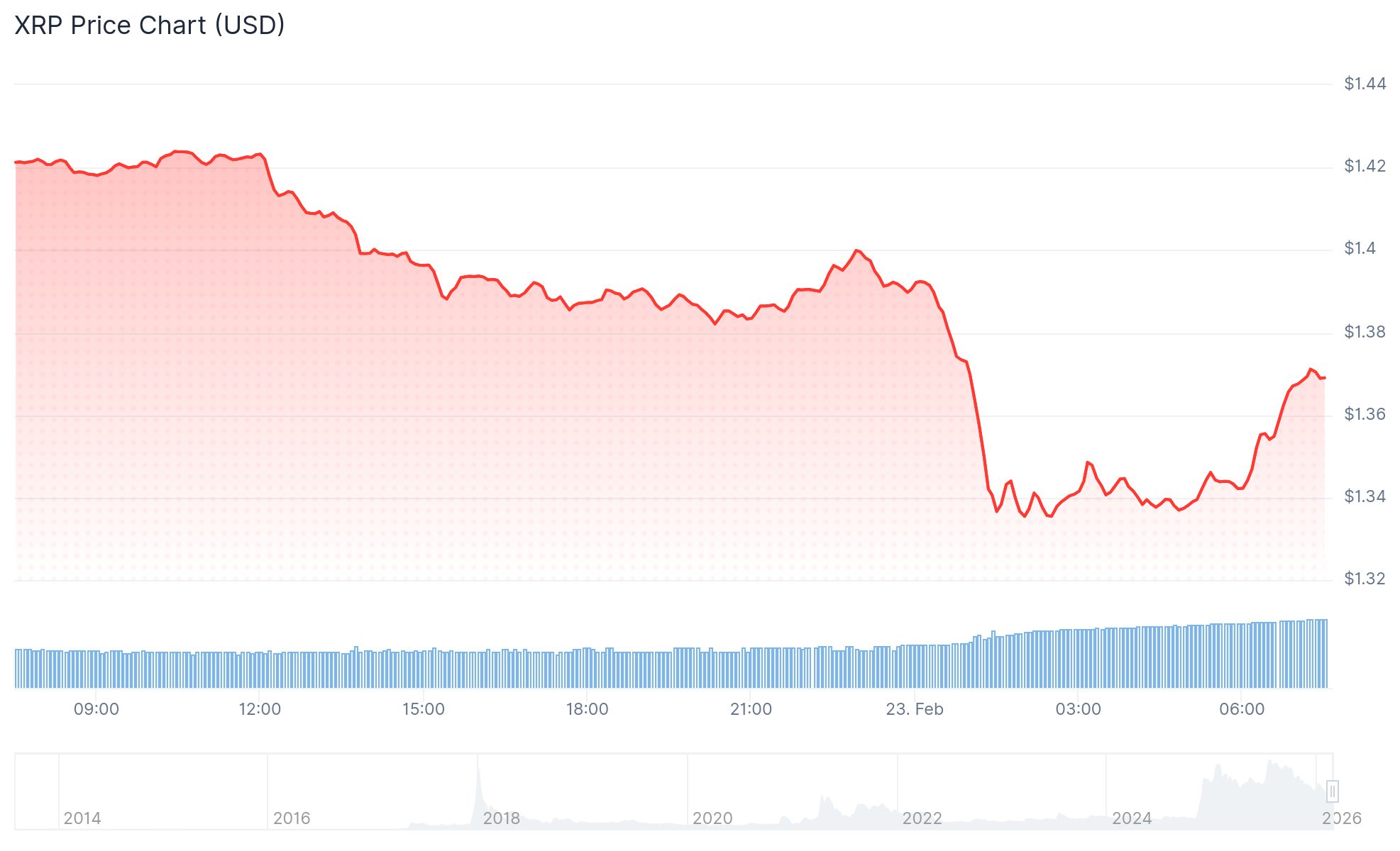
XRP Price: Falls to $1.33 as Realized Losses Hit 39-Month High – Watch These Levels